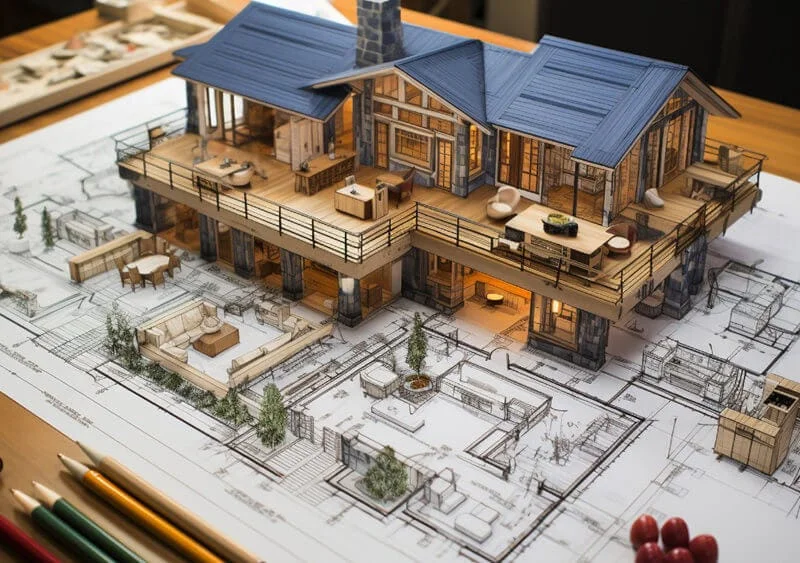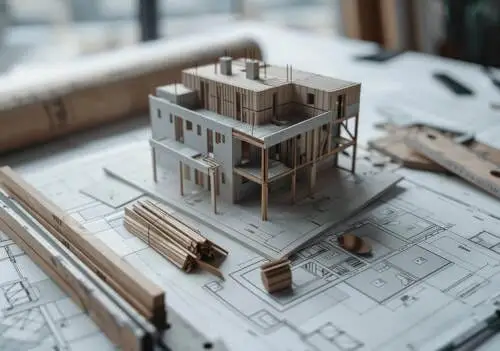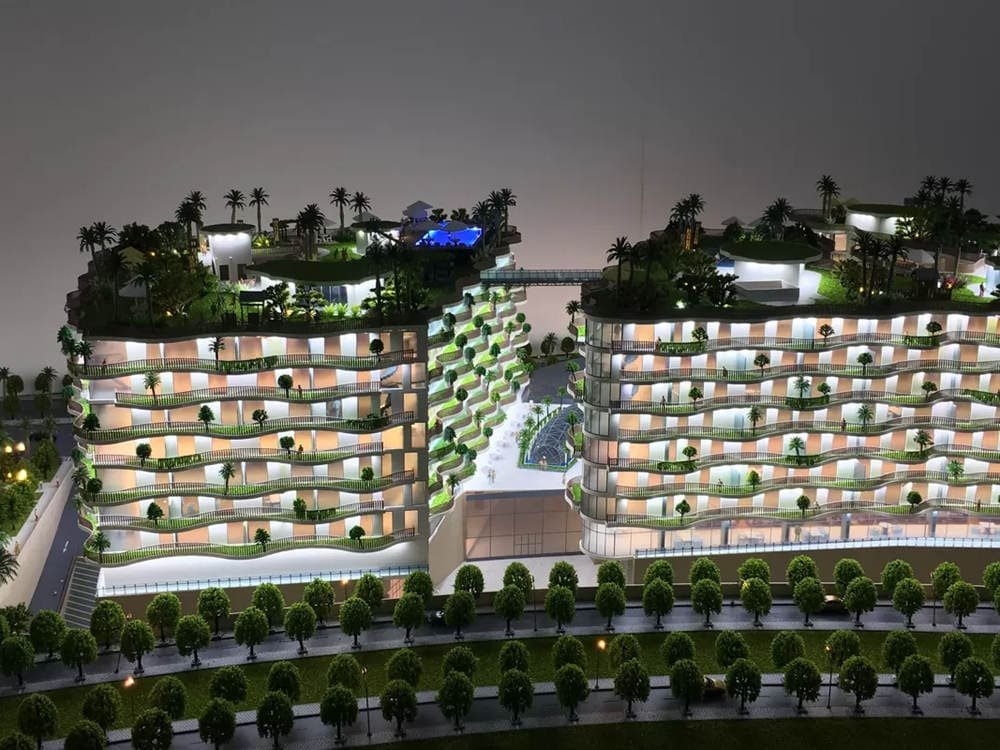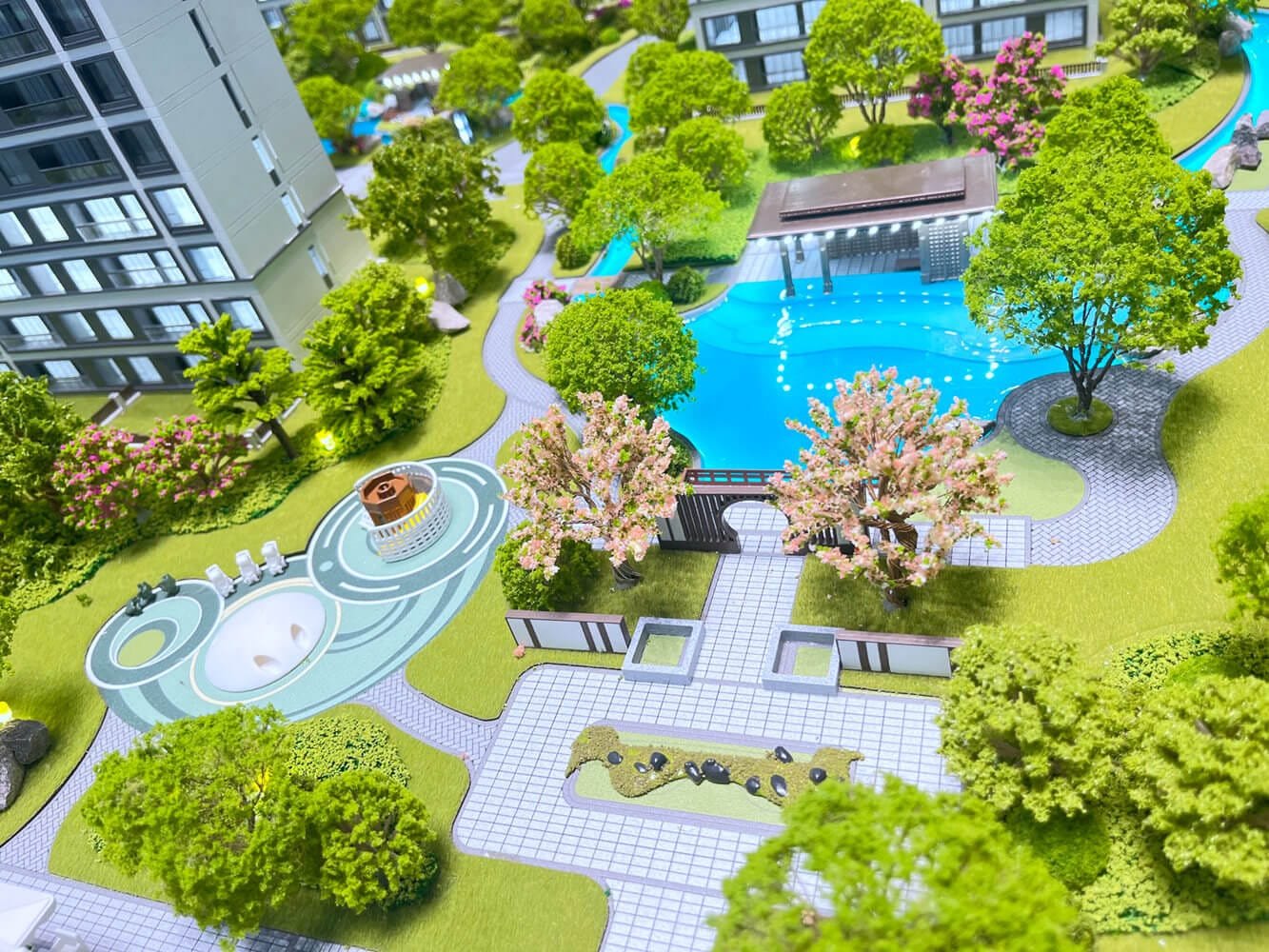
In today’s architectural world, where computer screens are filled with detailed 3D renderings, you might think handcrafted 스케일 모델 are a thing of the past. Surprisingly, these miniature buildings are still very much alive in many architects’ 스튜디오. 왜? Because even with all the fancy technology, physical models offer something special that computers just can’t match. They help architects think, 설계, and communicate their ideas in a unique way.
수세기 동안, architects have used models to bring their designs to life. Think of the detailed models created during the Renaissance! 오늘, these scaled-down versions of buildings, 도시 스케이프, or even interior spaces continue to be a critical part of the design process. They’re not just pretty objects; they’re powerful tools that help architects refine their designs, explain them to clients, and even secure funding for projects. Let’s explore why these miniature marvels remain so important in the field of architecture.
목차

The Fundamental Importance of Scale Models for Architects
Why do architects use scale models?
Bridging the Gap Between Concept and Reality
Imagine trying to understand a complex building design just from blueprints. 힘들어요! Scale models bring those flat drawings to life. Architects use models as a way to step into their designs, moving from abstract ideas to a tangible object they can hold, examine, and modify. As Beth Mills, Modelshop Director at Squire & 파트너, puts it:“We call ourselves the modelshop, but we’re more of a maker space, a fully-functioning workshop, While we do make architectural and scale models, we can do anything from prototyping door handles and window installations to bespoke furniture for Squire & Partners’ interiors team.”This quote shows how models help bridge the gap between conceptual ideas and the physical reality of construction.
Enhanced Visualization and Spatial Understanding
Models don’t just show what a building will look like; they help architects *feel* the space. By holding and rotating a model, architects get a real sense of a building’s size, 크기, and how different parts relate to each other. They can see how sunlight might enter a room or how a staircase connects different levels.- Intuitive Understanding of Scale: A model instantly conveys the size and scale of a project in a way that drawings can’t. You immediately grasp how big a room is or how tall a building will be.
- Experiencing Space in Three Dimensions: Unlike a flat screen, a model lets you walk around the design, seeing it from different angles and perspectives. This helps architects understand how people will move through and experience the space.
- Visualizing Light and Shadow: Architects can place a model under a lamp or take it outside to see how natural light will interact with the building at different times of the day. This helps them make decisions about window placement and shading devices.
Facilitating Design Development and Refinement
Models aren’t just for show; they’re working tools. Architects use them to try out different design ideas, quickly testing variations and seeing the results in three dimensions. This hands-on approach often leads to unexpected discoveries and improvements.- Experimentation and Iteration: It’s easy to make changes to a physical model. Architects can swap out parts, add new elements, or adjust proportions, quickly exploring different design options.
- Identifying Design Flaws: Building a model often reveals problems that weren’t obvious on paper or screen. An architect might discover that a corridor is too narrow or that a roofline doesn’t quite work. These discoveries can be made early in the design process, saving time and money later on.
- 문제 해결: The act of building a model forces architects to think through the construction process. They have to figure out how different parts fit together, which can lead to more practical and buildable designs.
A Powerful Tool for Communication and Collaboration
Explaining a complex design to someone who isn’t an architect can be challenging. Scale models make it much easier. They provide a common visual language that everyone can understand, from clients to construction workers.- 클라이언트 프레젠테이션: A well-crafted model can be incredibly persuasive. Clients can see and touch the design, making it feel more real and exciting. As one architect’s client said, “모델을 손에 쥐는 것에는 특별한 것이 있습니다. 아무것도 설명하지 않아도 돼. 당신은 그것을 얻습니다.”
- 팀 협업: Models help architects, 엔지니어, and other consultants work together more effectively. They provide a shared reference point for discussions, 모든 사람이 같은 페이지에 있는지 확인합니다.
- 대중 참여: For large projects, models can be used to show the public what’s being planned. This helps people understand the project’s impact on their community and can generate support.
Types of Scale Models and Their Applications
What are the main types of scale models used in architecture?
개념적 또는 매싱 모델
These are the first models an architect might build. They’re like the rough sketches of the modeling world. Made quickly from simple materials like cardboard or foam, they explore the basic shape, 크기, and arrangement of a building.- 목적: To quickly test out different ideas and see how they look in three dimensions.
- 형질: 단순한, 추상적인, and often lacking in detail.
- 재료: 판지, 거품, 발사 나무.
작업 또는 연구 모델
As the design develops, architects build more detailed models to study specific aspects of the project. These models help them refine the design, figure out structural details, and solve problems.- 목적: To analyze and refine the design, 테스트 건설 기술, and resolve design challenges.
- 형질: 매스모델보다 더 자세함, may include structural elements and some interior features.
- 재료: 폼 보드, 목재, 플라스틱, 3D printed parts.
프레젠테이션 모델
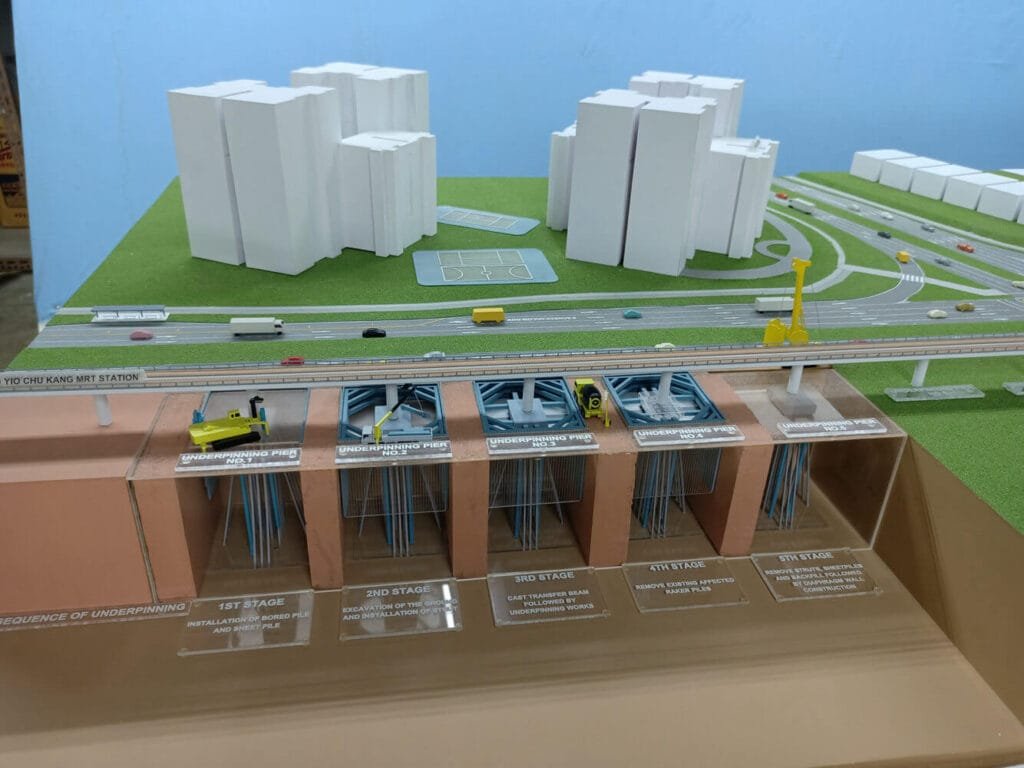
이들은 쇼스토퍼들이다.. Built to impress clients, 투자자, 또는 대중, these models are highly detailed and realistic. They often include landscaping, tiny people, and even working lights.- 목적: To showcase the final design in a compelling and persuasive way.
- 형질: 매우 상세한, 현실적인, often includes landscaping, 조명, and miniature figures.
- 재료: High-quality materials like wood, 아크릴, 금속, and 3D printed components.
세부 모델
때때로, architects need to focus on a particular part of a building, like a complex facade or an intricate interior space. Detail models are built at a larger scale to examine these elements closely.- 목적: To study and refine specific design features, such as a unique window design or a complex roof structure.
- 형질: Larger scale, 매우 상세합니다, focused on a specific part of the building.
- 재료: 목재, 플라스틱, 금속, 3D printed parts.
도시 또는 현장 모델
These models show how a building or development fits into its surroundings. They’re especially useful for large projects or when the relationship between the building and its environment is critical.- 목적: To visualize the project in its context, understand its impact on the surrounding area, and plan for site development.
- 형질: Can range from simple block models to highly detailed representations of the site and surrounding buildings.
- 재료: 판지, 거품, 목재, 플라스틱, 3D printed parts.
내부 모델
These models focus on the inside of a building, showing the layout of rooms, 가구, 그리고 마무리. They help clients understand the interior design and make decisions about materials and furnishings.- 목적: To visualize and refine the interior design of a building.
- 형질: Detailed representations of interior spaces, often including furniture, 비품, 그리고 마무리.
- 재료: 목재, 플라스틱, 구조, 3D printed parts.
하이브리드 모델
These models combine the best of both physical and digital worlds. 예를 들어, a physical model might have digital projections mapped onto it, or it might be integrated with augmented reality (AR) 기술.- 목적: To create interactive and engaging presentations that combine the tangibility of a physical model with the flexibility of digital information.
- 형질: Combine physical model components with digital projections, AR 오버레이, or other interactive technologies.
- 재료: Traditional model-making materials combined with digital displays and projection systems.
The Materials and Craft of Model Making
What materials are used to build architectural scale models?
전통적인 재료:
Model makers have a wide array of materials to choose from, each with its own unique properties and uses. Here’s a look at some of the most common ones:| 재료 | 설명 | 장점 | 단점 | 일반적인 용도 |
|---|---|---|---|---|
| 판지 | 종이 펄프를 겹겹이 쌓아 만든 종이 기반 소재. | 저렴합니다, 가벼운 중량, 절단 및 성형이 용이함. | 내구성이 별로 좋지 않음, 습기에 취약함. | 개념적 모델, 대량 연구, 임시 모델. |
| 폼 보드 | 종이나 플라스틱 층 사이에 폴리스티렌 폼 코어를 끼워 넣은 경량 소재. | 가벼운 중량, 절단 및 성형이 용이함, 상대적으로 저렴한, 매끄러운 표면을 제공합니다. | 쉽게 찌그러지거나 손상될 수 있습니다, 다른 재료만큼 내구성이 좋지 않습니다.. | 매싱 모델, 연구 모델, 프레젠테이션 모델. |
| 목재 | 절단이 가능한 천연소재, 새기는, 그리고 다양한 형태로 모양을 만들어. (발사, 참피나무(Basswood)가 일반적으로 사용된다.) | 강한, 튼튼한, 다양한 마감을 달성하기 위해 샌딩 및 페인팅 가능, 심미적으로 기분 좋은. | 다른 재료에 비해 가격이 비쌀 수 있음, 작업하려면 더 많은 기술이 필요합니다.. | 프레젠테이션 모델, 세부 모델, 높은 수준의 장인정신이 요구되는 모델. |
| 플라스틱 | 성형이 가능한 합성재료, 압출, 또는 다양한 형태로 주조. (스티렌, 아크릴은 흔해요) | 튼튼한, 방수, 투명하거나 불투명할 수 있다, 다양한 색상과 질감으로 제공됩니다.. | 다른 재료보다 절단 및 성형이 더 어려울 수 있습니다., 특수 접착제가 필요할 수 있음. | 프레젠테이션 모델, 세부 모델, 투명성이나 특정 표면 마감이 필요한 모델. |
| 점토 | 자연스러운, 젖었을 때 형태를 만들고 건조하거나 구워서 굳힐 수 있는 흙 같은 물질. | 쉽게 성형 가능, 유기적인 모양과 질감을 만드는 데 사용할 수 있습니다., 저렴합니다. | 건조하면 부서지기 쉬움, 함께 일할 수 있는 기술이 필요합니다. | 개념적 모델, 연구 모델, 조각 세부 사항. |
| 금속 | 강한, 절단이 가능한 내구성 있는 소재, 굽은, 다양한 형태로 용접되어. | 내구성이 매우 뛰어남, 복잡한 세부 사항을 만드는 데 사용할 수 있습니다, 심미적으로 기분 좋은. | 비쌀 수 있습니다, 작업하려면 전문적인 도구와 기술이 필요합니다.. | 세부 모델, 구조적 요소, 높은 수준의 정밀도와 내구성이 요구되는 모델. |
The Role of Adhesives and Finishing Techniques
Building a model is not just about cutting and shaping materials; it’s also about joining them together securely and adding the finishing touches that bring the model to life.- 접착제: 올바른 접착제를 선택하는 것이 중요합니다.
- PVA 접착제: A good all-around choice for paper, 판지, 그리고 나무. It dries clear and is relatively strong.
- 초강력 접착제 (시아아 노 아크릴 레이트): Ideal for bonding plastics and metals. It creates a very strong bond almost instantly but can be brittle.
- 스프레이 접착제: Useful for attaching large, flat surfaces, like applying a paper facade to a foam board backing.
- 뜨거운 접착제: Quick and easy for temporary bonds or for attaching lightweight elements.
- 마무리 기술: These make a model look polished and professional.
- 샌딩: Smoothing rough edges and creating seamless joints.
- 그림: Adding color and realism to the model. Different types of paint (아크릴, enamels) are used depending on the material being painted.
- 텍스처링: Creating realistic surfaces like brickwork, 콘크리트, or vegetation using specialized paints, powders, 또는 기타 재료.
- 풍화: Making a model look aged or worn, which can be useful for historical projects or to add a sense of realism.
What tools are used in architectural model making?
절단 도구
Precision cutting is fundamental to model making. Architects and model makers use a variety of tools to achieve clean, accurate cuts:- 공예 나이프: These are the workhorses of model making, used for cutting paper, 판지, 폼 보드, and thin plastics. They come with replaceable blades to maintain sharpness.
- 메스: Used for very fine and detailed work, such as cutting out small windows or intricate patterns.
- 가위: Useful for cutting paper and thin materials.
- 커팅매트: Self-healing mats protect the work surface and provide a stable base for cutting. They also help preserve the sharpness of blades.
측정 도구
Accurate measurements are essential for ensuring that the model is correctly scaled and proportioned.- 통치자: Metal rulers are preferred for their durability and straight edges.
- 정사각형 설정: 직각을 그리고 측정하는 데 사용됩니다..
- 컴퍼스: 원과 호를 그리는 데 사용됩니다..
- 각도기: 각도를 측정하고 그리는 데 사용됩니다..
- Digital Calipers: For precise measurements of small parts and thicknesses.
Advanced Tools:
기술은 모델 제작에 혁명을 일으켰습니다., introducing tools that offer greater precision and efficiency.- 레이저 절단: This technology uses a laser beam to cut intricate designs into a variety of materials, 나무 포함, 아크릴, 그리고 골판지.
- 장점: Highly precise, can create very detailed and complex shapes, fast and efficient.
- Uses: Cutting facades, creating intricate patterns, cutting multiple identical parts.
- 재료: 합판, Trotec Laser offers a range of laser-cuttable acrylic sheets.
- 3D 인쇄: This technology builds up objects layer by layer from a digital file.
- 장점: Can create complex and organic shapes that would be difficult or impossible to make by hand, allows for rapid prototyping.
- Uses: Creating detailed building components, printing custom parts, making complex massing models.
- 재료: Various types of plastics (PLA, ABS, PETG), 수지, 그리고 심지어 금속. You can find a wide selection of 3D printing filaments at MatterHackers.
물리적 대. 디지털 모델: Understanding the Advantages
Why are physical scale models still relevant in the age of digital design?
The Tangible Difference: Tactility and Spatial Intuition
There’s something special about holding a physical object in your hands. It engages your senses in a way that a computer screen can’t.- 촉각 경험: Touching and manipulating a physical model gives you a direct, intuitive understanding of the design. You can feel the weight of the building, the texture of the materials, and the relationships between different parts.
“손, 마음과 협력하여, 창조와 이해를 위한 강력한 도구로 남아 있습니다.”
- Spatial Intuition: By moving around a physical model, you get a much better sense of the building’s scale and how different spaces relate to each other. This is something that even the best virtual reality experiences struggle to replicate.
Enhanced Client Engagement and Communication
Physical models can be incredibly effective tools for communicating with clients, especially those who aren’t used to reading architectural drawings.- 시각적 선명도: A model provides a clear, unambiguous representation of the design that anyone can understand.
- 정서적 연결: Seeing and touching a physical model can create a stronger emotional connection to the project, making clients more invested in the design.
- Feedback and Collaboration: Models facilitate more productive conversations with clients. They can point to specific areas, 질문하다, and suggest changes in a very direct way.
A Different Kind of Creativity: The Value of “Making”
The process of building a physical model is a creative act in itself. It’s a different kind of creativity than what you get from working on a computer.- Hands-On Exploration: Working with physical materials forces you to think differently about the design. You have to consider how things will be built, not just how they look on a screen.
“There’s a speed and intuitiveness to creating a massing model, making it easier to explore various design solutions. A ‘wrong’ model can often tell you as much as a ‘right’ one.”
- Unexpected Discoveries: The process of making can lead to happy accidents and new ideas that you might not have come up with otherwise.
Beyond the Screen: Real-World Considerations
Physical models can help architects study aspects of a design that are difficult to simulate accurately on a computer.- Natural Light Studies: By placing a model under a light source, architects can see how sunlight will enter the building and how shadows will be cast at different times of day.
- Materiality: While digital models can simulate materials, they can’t fully replicate the way real materials look and feel in different lighting conditions.

The Impact of Technology on Architectural Model Making
How are technologies like 3D printing and laser cutting used in model making?
디지털 제작: 속도, 정도, and Complexity
Digital fabrication tools are revolutionizing the way models are built. They allow for levels of detail and complexity that would be incredibly difficult to achieve by hand.- 3D 인쇄:
- 신속한 프로토타이핑: Architects can quickly print out different versions of a design to test and compare them.
- Complex Shapes: 3D printing can create organic and intricate shapes that would be very challenging to make using traditional methods.
- Custom Parts: Architects can design and print unique components tailored to a specific project.
- 재료: Common 3D printing materials for architectural models include:
- PLA (폴리 락트산): A biodegradable plastic that’s easy to print and comes in a variety of colors. It’s a good choice for general model making. (Source: All3DP)
- ABS (아크릴로 니트릴 부타디엔 스티렌): A stronger, more durable plastic that’s often used for functional parts. (Source: Stratasys)
- 수지: Used in SLA and DLP printing, resin produces very high-resolution prints with fine details. It’s often used for presentation models. (Source: 폼랩)
- 레이저 절단:
- Precision Cutting: Laser cutters can cut extremely precise shapes and patterns into a variety of materials.
- 능률: They can quickly cut multiple identical parts, saving time and effort.
- 물질적 다양성: Laser cutters can be used on wood, 아크릴, 판지, 심지어 일부 직물도.
- 재료: Common laser cutting materials for architectural models include:
- 아크릴: Often used for windows, 외관, and other transparent or translucent elements. (Source: Ponoko)
- 합판: A versatile material that can be used for structural elements, 외관, 그리고 조경. (Source: Inventables)
- Cardstock/Paper: Used for creating textured surfaces, 초목, or intricate details. (Source: Cerulean Tides)
The Rise of Hybrid Models: Blending Physical and Digital
The most exciting developments in model making often involve combining physical and digital elements. This creates new possibilities for interaction and visualization.- 투영 매핑: Projecting digital images onto a physical model can add color, 조직, 그리고 심지어 애니메이션. This can be used to show how a building’s facade might change with different lighting conditions or to display information about the project.
- 증강 현실 (AR): AR은 현실 세계에 디지털 정보를 오버레이합니다.. By using an AR app, you could view a physical model and see additional digital content, such as 3D animations, data visualizations, or interactive elements.
- 대화식 모델: Some models incorporate sensors and electronics that allow them to respond to touch or other inputs. 예를 들어, touching a particular part of a model might activate a light display or trigger a video on a nearby screen.
가상 및 증강 현실: New Dimensions of Visualization
VR and AR technologies are changing how we experience architectural designs, offering immersive and interactive ways to explore unbuilt spaces.- 가상 현실 (VR): VR creates a fully immersive digital environment. By wearing a VR headset, 당신은 할 수 “걸어 가십시오” a digital model of a building, getting a sense of scale and space that’s difficult to achieve with traditional models or renderings.
- 증강 현실 (AR): AR overlays digital content onto the real world. You could use an AR app to view a digital model of a building superimposed on its actual construction site, allowing you to see how it will fit into its context.
The Future of Scale Models in Architecture
Will physical scale models become obsolete in the future?
The Enduring Value of Tangibility
In a world that’s becoming increasingly digital, there’s a growing appreciation for things we can touch and feel. Physical models offer a tangible connection to the design that digital models can’t match.- 정서적 연결: Holding a physical model in your hands can create a powerful emotional response. It’s a different experience than clicking through a digital rendering.
- 직관적인 이해: The tactile experience of interacting with a model provides an intuitive understanding of the design that’s hard to replicate digitally.
Increased Integration with Digital Technologies
The future of model making is likely to involve even closer integration with digital tools. We’ll see more hybrid models that combine the best of both worlds.- Seamless Workflows: Architects will be able to move effortlessly between physical and digital models, using each for what it does best. 예를 들어, they might 3D print a model from a digital design, then use that model for a client presentation, and later incorporate it into an AR experience.
- Enhanced Interactivity: Future models may incorporate more sophisticated sensors, electronics, and digital displays, making them even more interactive and engaging.
A Focus on Sustainability
As the architecture and design industries become more environmentally conscious, model making will need to adapt.- 친환경 소재: We’ll likely see increased use of sustainable and recycled materials in model making, 대나무와 같은, 코르크, 그리고 생체 클라스틱.
- 대나무 연구소: Offers a range of bamboo products for various applications.
- Made of Air: Creates carbon-negative materials that can be used in construction and design.
- 책임 있는 디지털 관행: Architects will need to be mindful of the environmental impact of digital tools, 데이터 센터의 에너지 소비와 폐기된 하드웨어로 인해 발생하는 전자 폐기물을 포함합니다..
Continued Importance in Education, 의사소통, and Innovation
Scale models will continue to be essential tools for teaching, sharing ideas, and pushing the boundaries of design.- 건축교육: Models provide hands-on learning experiences for students, helping them develop spatial reasoning skills and an understanding of construction principles.
- 클라이언트 커뮤니케이션: They remain a powerful tool for explaining designs to clients and getting their buy-in.
- 대중 참여: For community projects, models can help the public understand and engage with new developments.
- 창의적 탐구: The act of building a model will continue to be a source of inspiration and innovation for architects.
결론
Architectural scale models are far from being outdated relics. They are dynamic tools that continue to play a vital role in the design process. They help architects visualize, 개선, and communicate their ideas in a way that digital tools alone cannot. While technology is changing how models are made and used, the fundamental value of the physical model endures. Its ability to connect us to the design on a tangible, intuitive level ensures that it will remain an essential part of the architect’s toolkit for years to come.
The enduring appeal of scale models lies in their unique ability to bridge the gap between imagination and reality. They transform abstract concepts into tangible forms, enabling architects to explore, 개선, and communicate their designs with clarity and precision. 기술이 계속해서 발전함에 따라, the integration of physical and digital tools will undoubtedly reshape the landscape of architectural representation. 하지만, the fundamental human desire for tactile experiences and the inherent value of hands-on creation suggest that scale models will continue to hold a special place in the world of architecture.
What are your thoughts on the role of scale models in architecture? Have you had experiences where a physical model helped you understand a design better? 아래 댓글로 여러분의 생각을 공유해 주세요!