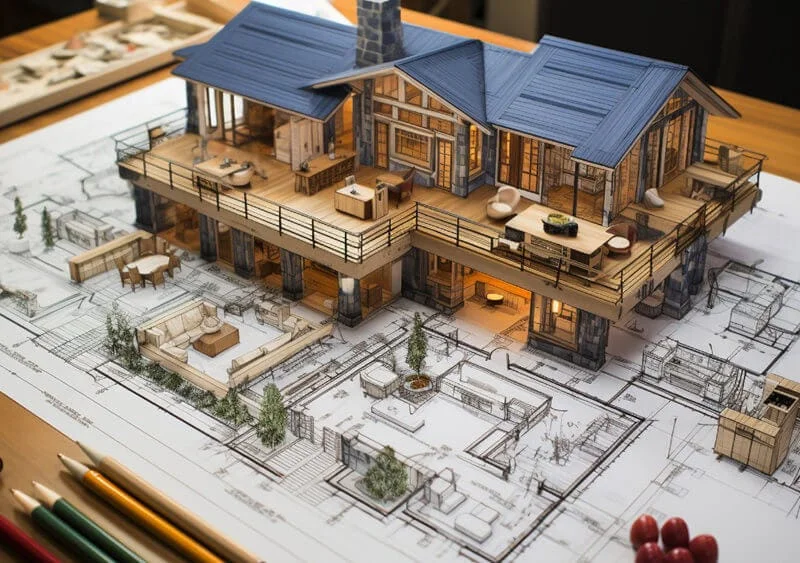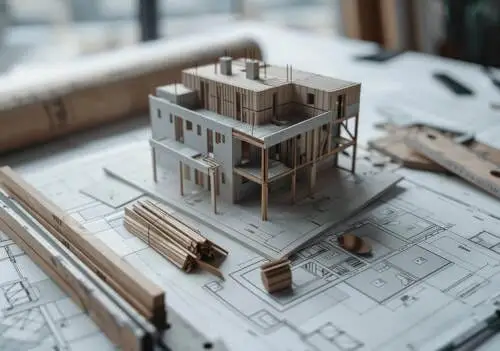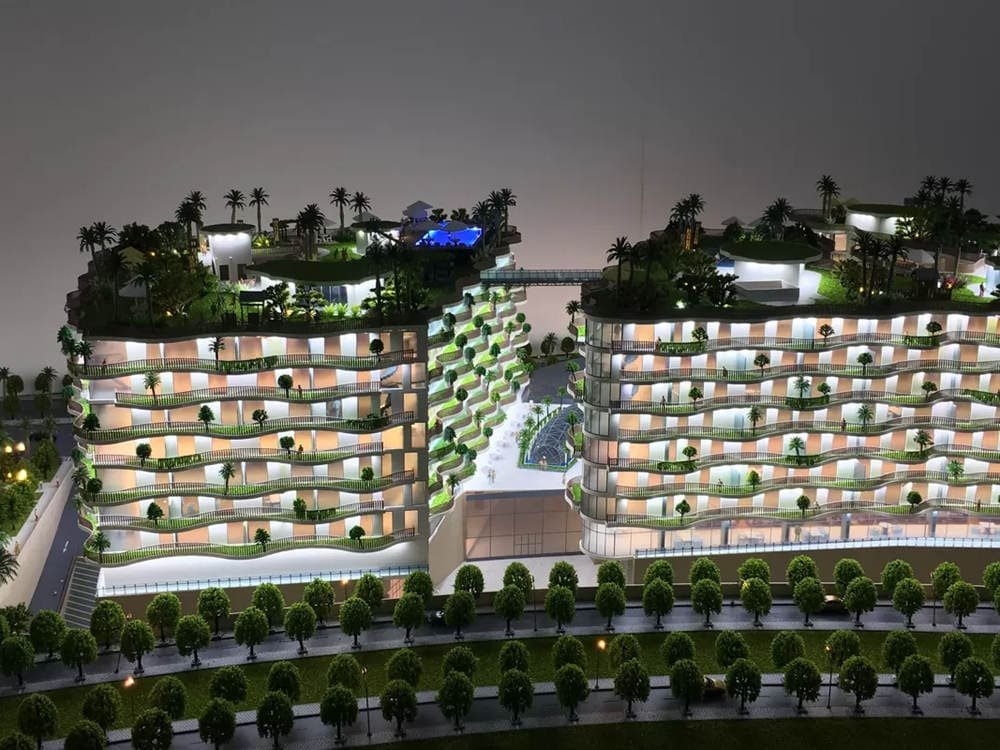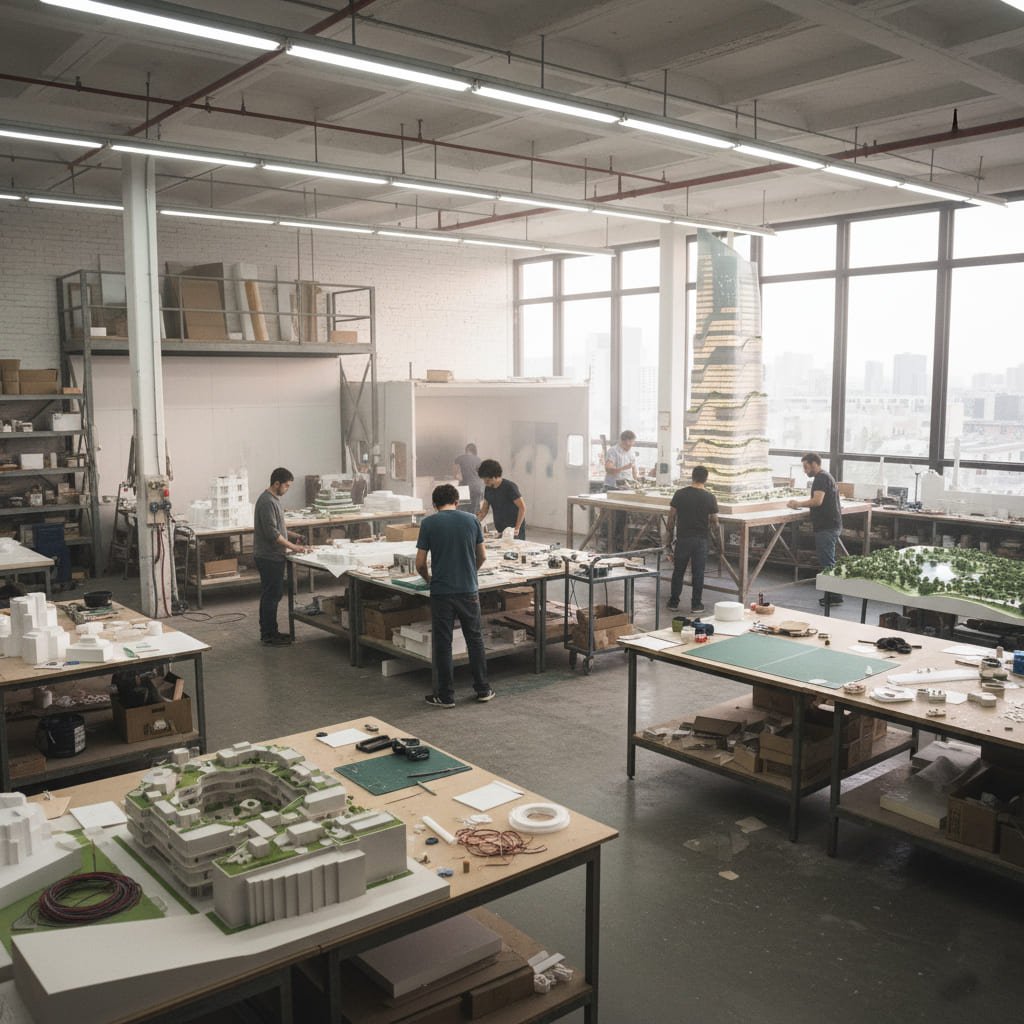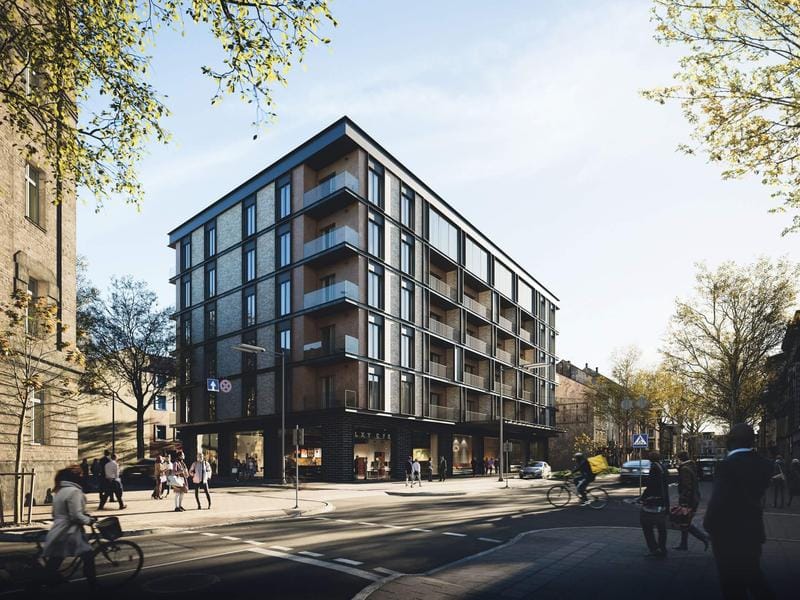
कहिल्यै एक द्वारा निराश गरियो वास्तुकला मोडेल जसले अंक छुट्यो? सायद अनुपात बन्द थियो, सामग्री सस्तो, वा डिजाइन मात्र दर्शनसँग मेल खाएन. वास्तुकला मोडेलहरूमा गल्तीहरू - चाहे भौतिक वा डिजिटल - महँगो त्रुटिहरू निम्त्याउन सक्छ, गलत सञ्चार, र ग्राहक असन्तुष्टि.
यो गाईड तपाईलाई ती समस्याहरूबाट बच्न मद्दत गर्न यहाँ छ. हामी दुबै भौतिक र डिजिटल मोडेलहरूमा सामान्य गल्तीहरू कभर गर्नेछौं, तपाईंको मोडेलहरू सही छन् भनी सुनिश्चित गर्न व्यावहारिक समाधानहरू र विशेषज्ञ सुझावहरू प्रदान गर्दै, प्रभावकारी, र तपाईंको डिजाइन दृष्टिमा सत्य. चाहे तपाईं एक अनुभवी वास्तुकार वा एक शुरुआती हुनुहुन्छ, यस लेखले तपाईंलाई स्ट्यान्डआउट वास्तुकला मोडेलहरू सिर्जना गर्न मद्दत गर्नेछ.
सामग्रीको तालिका
म. आधारभूत गल्तीहरू (योजना & अवधारणा)
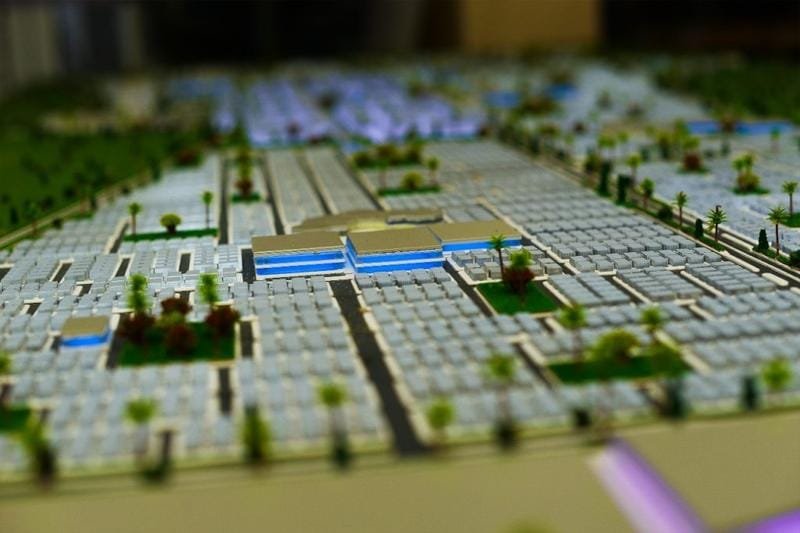
1.1 स्पष्ट आवश्यकता / संक्षिप्त को अभाव
नक्सा बिना यात्रा मा बाहिर सेटिङ कल्पना गर्नुहोस्. स्पष्ट संक्षिप्त बिना आर्किटेक्चरल मोडेल सिर्जना गर्नु भनेको के हो. राम्रोसँग परिभाषित संक्षिप्तले तपाईंको रोडम्यापको रूपमा कार्य गर्दछ, तपाईंलाई सफल नतिजाको लागि मार्गदर्शन गर्दै. तर त्यो संक्षिप्त अस्पष्ट हुँदा के हुन्छ, अवास्तविक, वा केवल हराइरहेको छ? परिणाम मार्क छुटेको मोडेल हुन सक्छ, ग्राहकको आवश्यकता पूरा गर्न असफल, र अन्ततः बहुमूल्य समय र स्रोतहरू बर्बाद गर्दछ.
यो यसरी सोच्नुहोस्: यदि तपाइँ आरामदायक केबिन को मोडेल चाहनुहुन्छ भने, तपाईंले आफ्नो ग्राहकलाई "आरामदायी" भनेको के हो भनेर हिज्जे गर्न आवश्यक छ. कुन सामग्रीले त्यो भावना जगाउँछ? वांछित स्केल के हो? कुन मुख्य सुविधाहरू समावेश हुनुपर्छ? यी विवरणहरू बिना, तपाईंको आरामदायक केबिन एक न्यूनतम बक्स जस्तो देखिन सक्छ!
प्रभाव: ग्राहकको आवश्यकता पूरा नगर्ने परियोजनाहरू, बजेट अवरोधहरू, वा कार्यात्मक आवश्यकताहरू. ग्राहकले सामान्य घरको परिकल्पना गर्दा तपाईंले एउटा सानो हवेली निर्माण गर्न सक्नुहुन्छ, वा महँगो सामग्रीहरू छनौट गर्दा जब लागत-प्रभावी विकल्पले पनि काम गरेको थियो.
समाधान:
- एक विस्तृत संक्षिप्त विकास गर्नुहोस्: परियोजनाका उद्देश्यहरूलाई रूपरेखा बनाउने विस्तृत कागजात सिर्जना गर्न तपाईंको ग्राहक वा परियोजना टोलीसँग नजिकबाट काम गर्नुहोस्।, दायरा, र विशिष्ट आवश्यकताहरू. यसमा डिजाइनको उद्देश्यको विस्तृत विवरण समावेश हुनुपर्छ, वांछित सौन्दर्य, प्रयोग गरिने सामग्री, स्केल, विस्तारको स्तर, र मोडेलको उद्देश्य प्रयोग.
- सही प्रश्नहरू सोध्नुहोस्: ग्राहकको प्राथमिकता के हो? भवनको प्रमुख कार्यात्मक आवश्यकताहरू के हुन्? मोडलको बजेट कति छ? पूरा गर्न को लागी समयरेखा के हो? तपाईंले अग्रिम सोध्नुहुने थप प्रश्नहरू, तपाईंको संक्षिप्त स्पष्ट हुनेछ.
गरीब र स्पष्ट संक्षिप्तहरू बीचको भिन्नताहरू कल्पना गर्न मद्दतको लागि यहाँ एउटा तालिका छ:
| विशेषता | खराब संक्षिप्त | स्पष्ट संक्षिप्त |
|---|---|---|
| उद्देश्य | “घरको नमुना बनाउनुहोस्।” | “विकास गर्नुहोस् ए 1:50 तीन बेडरूम को स्केल मोडेल, खुला फ्लोर योजना र दिगो डिजाइन तत्वहरूको साथ दुई-बाथ आधुनिक घर।” |
| सामग्री | “केही काठ प्रयोग गर्नुहोस्।” | “मोडेलले संरचनात्मक तत्वहरूको लागि बासवुड प्रयोग गर्नुपर्छ, विन्डोजको लागि लेजर-कट एक्रिलिक, र छत लागि गत्ता।” |
| विवरणको स्तर | “आधारभूत विवरणहरू समावेश गर्नुहोस्।” | “भित्री पर्खालहरू समावेश गर्नुहोस्, आधारभूत फर्निचर, र भवनको कार्यक्षमता र सौन्दर्य चित्रण गर्न ल्यान्डस्केपिङ।” |
1.2 योजना बिना रेखाचित्र
आफ्नो मनपर्ने कलाकारको बारेमा सोच्नुहोस्. के तिनीहरू बिना सोचाइ पेन्ट गर्न थाल्छन्? सायद छैन! यहाँ सम्म कि सबै भन्दा अमूर्त कला अक्सर एक अवधारणा संग सुरु हुन्छ, एक भावना, वा स्केच. वास्तुकला मोडेलिङ फरक छैन. बिना योजना डुब्नु भनेको आँखामा पट्टी बाँधेर भूलभुलैया नेभिगेट गर्नु जस्तै हो. तपाइँ केहि रोचक मा ठोकर हुन सक्छ, तर तपाईं हराउने र बहुमूल्य समय बर्बाद गर्ने सम्भावना बढी छ.
“धेरै पटक होइन, मानिसहरू तुरुन्तै आफ्नो दिमागमा कुनै प्रकारको इरादा स्थापना नगरी स्केच गर्न सुरु गर्छन्. तपाईले फेला पार्नुहुनेछ कि राम्रोसँग सोचेको रेखाचित्र सधैं एक भन्दा बढी केन्द्रित र स्पष्ट देखिन्छ जुन होइन।,” खाली ईजल को मरियम स्लेटर भन्छन्. यो एक भावना हो जुन वास्तुकला मोडेलहरूको लागि पनि सही छ.
प्रभाव: फोकस नभएको मोडेल, सुसंगतता, र अन्ततः तपाईंको डिजाइन अभिप्राय प्रभावकारी रूपमा सञ्चार गर्न असफल हुन्छ. तपाईंले समग्र डिजाइनमा योगदान नगर्ने वा भिन्न तत्वहरूलाई एकजुट पूर्णमा एकीकृत गर्न संघर्ष गर्ने सुविधाको विवरण दिन घण्टा खर्च गर्न सक्नुहुन्छ।.
समाधान:
- प्रमुख प्रश्नहरू सोध्नुहोस्: तपाइँ एक उपकरण उठाउनु अघि वा तपाइँको मोडलिङ सफ्टवेयर खोल्नुहोस्, take a step back and ask yourself: What am I trying to achieve with this model? What is the main concept I want to convey? What are the key features I need to highlight?
- Sketch and Brainstorm: Don’t underestimate the power of preliminary sketches and brainstorming sessions. Use them to explore different ideas, experiment with compositions, and refine your overall design concept. These early explorations will save you time and frustration in the long run.
1.3 Being Unclear on Timeframes
समय पैसा हो, especially in the world of architecture. Rushing through crucial stages of model making can lead to mistakes, compromises in quality, र अन्ततः, a model that doesn’t meet expectations. Understanding the timeframes involved is essential for realistic planning and successful project execution.
Imagine promising a client a stunning, दुई हप्तामा अत्यधिक विस्तृत मोडेल, केवल आधा बाटोमा महसुस गर्न को लागी तपाईले कार्यको जटिलतालाई कम आँकलन गर्नुभयो. अब तपाईं निद्रा नलाग्ने रातहरूको सामना गर्दै हुनुहुन्छ, कुनाहरू काट्ने, र सम्भावित रूपमा एक subpar उत्पादन वितरण. यो तनावपूर्ण परिदृश्यबाट बच्नको लागि सुरुदेखि नै यथार्थपरक समय सीमाहरू सेट गर्नु महत्त्वपूर्ण छ.
प्रभाव: हतारको काम, सम्झौता गुणस्तर, छुटेको म्याद, र तनाव स्तर बढ्यो. सम्भावित ढिलाइको लागि खातामा असफल हुनुले तपाइँको सम्पूर्ण परियोजनालाई ट्र्याक बन्द गर्न सक्छ.
समाधान:
- एक यथार्थवादी टाइमलाइन विकास गर्नुहोस्: मोडेल बनाउने प्रक्रियालाई सानोमा विभाजन गर्नुहोस्, व्यवस्थित कार्यहरू र प्रत्येकको लागि आवश्यक समय अनुमान गर्नुहोस्. डिजाइन परिष्करण जस्ता कारकहरू विचार गर्नुहोस्, सामग्री चयन, बनावट, सभा, र परिष्करण. सामग्री उपलब्धताको कारण सम्भावित ढिलाइमा कारक गर्न नबिर्सनुहोस्, उपकरण खराबी, वा अप्रत्याशित चुनौतीहरू.
- अनुमोदन र प्रतिक्रिया मा कारक: If your model requires client approval or input from other stakeholders, be sure to factor in time for these reviews. Build in buffer time to accommodate revisions and adjustments based on feedback.
1.4 Incorrect/Inaccurate Measurements
In the world of architectural modeling, precision is paramount. A single incorrect measurement can throw off the entire model, leading to misalignments, structural issues, र अन्ततः, a distorted representation of the design. This isn’t just an aesthetic problem; it can have real-world consequences when the model is used for planning, निर्माण, or client presentations.
Think of it like building a house with mismatched bricks. If the bricks aren’t uniform in size, the walls will be uneven, the structure will be unstable, and the overall result will be far from ideal. एउटै सिद्धान्त वास्तु मोडेल लागू हुन्छ: accuracy in measurements is the foundation upon which everything else is built.
प्रभाव: Misalignments, structural instability, and increased costs due to the need for corrections. An inaccurate model can mislead clients and stakeholders, leading to misunderstandings and potentially costly errors during the construction phase.
समाधान:
- Measure Twice, Cut Once: This age-old adage applies perfectly to architectural modeling. Always double-check your measurements before cutting materials, creating digital models, or assembling components. A few extra minutes spent verifying measurements can save you hours of rework later on.
- Use Precise Measuring Tools: Invest in high-quality measuring tools that provide accurate and reliable results. डिजिटल क्यालिपर, laser measurers, and architect’s scales are essential for achieving precision.
Here’s a table highlighting the pros and cons of different measuring tools:
| उपकरण | लाभ | बिप्ति |
|---|---|---|
| Architect’s Scale | Simple to use, सस्तो, and readily available. | Requires careful reading, prone to parallax errors, and limited in precision. |
| डिजिटल क्यालिपर | Highly accurate, easy to read, and can measure internal and external dimensions. | Can be more expensive than traditional scales and require batteries. |
| Laser Measurer | Extremely accurate, can measure long distances quickly, and eliminates parallax errors. | Requires a clear line of sight and can be affected by reflective surfaces. |
1.5 Ignoring Site Conditions
An architectural model isn’t just a miniature building; it’s a representation of a building in its specific environment. साइटको अद्वितीय विशेषताहरूलाई बेवास्ता गर्दा सुन्दर तर अन्ततः अव्यावहारिक वा यसको इच्छित स्थानको लागि अनुपयुक्त मोडेलको नेतृत्व गर्न सक्छ।. यसलाई मरुभूमिको मौसमको लागि जाडो कोट डिजाइन गर्ने रूपमा सोच्नुहोस् - यो स्टाइलिश हुन सक्छ, तर यसले आफ्नो उद्देश्यलाई प्रभावकारी रूपमा पूरा गर्दैन.
प्रचण्ड सूर्यको किरण प्राप्त गर्ने स्थानमा ठूला दक्षिणतर्फका झ्यालहरू भएको भवनको डिजाइन गर्ने कल्पना गर्नुहोस्. मोडेल आश्चर्यजनक देखिन सक्छ, तर वास्तविक भवन अति तताउने खतरा हुन्छ र अत्यधिक वातानुकूलित आवश्यक हुन्छ. दिगो र कार्यात्मक डिजाइन सिर्जना गर्नको लागि सुरुबाट साइट अवस्थाहरू विचार गर्नु महत्त्वपूर्ण छ.
प्रभाव: अव्यवहारिक डिजाइनहरू, दिगो, वा भवन संहिता उल्लङ्घन गर्न नेतृत्व. Failing to account for site conditions can result in models that misrepresent the building’s relationship to its surroundings, leading to poor design decisions.
समाधान:
- Conduct a Thorough Site Analysis: Before you even begin sketching or modeling, gather as much information as possible about the site. This includes factors such as topography, माटो प्रकार, climate, पहुँच, अवस्थित वनस्पति, sunlight patterns, wind patterns, and local regulations.
- Collaborate with Experts: Work closely with civil engineers, landscape architects, and other specialists to gain a comprehensive understanding of the site’s challenges and opportunities. Their expertise can help you make informed design decisions that respond to the specific conditions of the environment.
II. Design and Drafting Mistakes
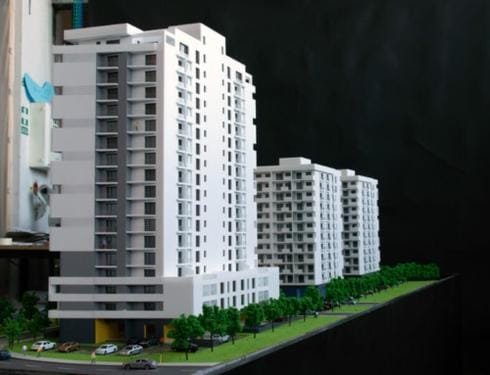
2.1 Inadequate Detailing
Think of an architectural model as a miniature instruction manual for building a real structure. The more detailed and comprehensive the model, the clearer the instructions, and the less room for error during the construction process. Inadequate detailing, अर्कोतर्फ, can lead to misunderstandings, पुन: काम, र अन्ततः, a final product that deviates from the original design intent.
Imagine providing a builder with a set of vague drawings that lack critical dimensions, material specifications, or assembly instructions. The builder would be left to guess at many aspects of the construction, increasing the likelihood of mistakes and delays. त्यस्तै गरी, an architectural model that lacks sufficient detail can create confusion and lead to costly revisions.
प्रभाव: Errors, costly revisions, and potential safety issues during construction. An inadequately detailed model can mislead clients, ठेकेखा, र अन्य सरोकारवालाहरु, resulting in frustration and project delays.
समाधान:
- Include Comprehensive Notes: Annotate your model with detailed notes that explain the design intent, material specifications, and construction methods. The more information you provide, the less room there will be for interpretation and error.
- Use Standardized Templates and Symbols: Develop a set of standardized templates and symbols for common architectural elements, such as doors, झ्यालहरू, भित्ता, र सीढीहरू. This will ensure consistency and clarity throughout your models.
2.2 Neglecting Building Codes and Regulations
Building codes and regulations are the rules of the game in architecture. They ensure that buildings are safe, प्रयोग गर्ने वा भेट्न सकिने, and environmentally sound. Ignoring or misunderstanding these codes can lead to serious consequences, including project delays, fines, and even legal repercussions. Think of it as driving without knowing the traffic laws – you’re bound to get into trouble sooner or later.
Imagine designing a building that doesn’t meet accessibility requirements for people with disabilities. The model might look beautiful, but the real building would be non-compliant with the law and require costly modifications. Staying informed about building codes is crucial for avoiding these types of issues.
प्रभाव: Non-compliant designs, leading to delays, fines, and required modifications. Ignoring building codes can result in models that misrepresent the building’s compliance with regulations, potentially leading to significant financial and legal consequences.
समाधान:
- Stay Updated: Regularly review the latest building codes and regulations from local authorities and industry organizations. Codes are constantly evolving, so it’s important to stay informed about any changes or updates.
- Invest in Training and Education: Provide ongoing training and education for your team to ensure they are knowledgeable about current building codes and standards. Consider attending workshops, seminars, and online courses to stay up-to-date.
2.3 Improper Sizing of Windows
Windows are more than just openings in a wall; they’re a critical element of a building’s design, affecting everything from natural light and ventilation to energy efficiency and aesthetic appeal. Improperly sized windows can lead to a host of problems, creating dark, uncomfortable spaces that detract from the overall design. Think of it like wearing shoes that are too small – they might look stylish, but they’ll make your feet miserable.
Imagine designing a living room with tiny windows that barely let in any natural light. The model might look cozy, but the real room would feel dark, cramped, and uninviting. Choosing the right window sizes is essential for creating a bright, airy, and comfortable living space.
प्रभाव: Dark spaces, poor ventilation, and increased energy costs. Improperly sized windows can create uncomfortable living environments and detract from the overall aesthetic appeal of the building.
समाधान:
- Consider Room Size and Orientation: The size and orientation of a room should influence the size and placement of windows. Larger rooms generally require larger windows to provide adequate natural light. South-facing windows can provide ample sunlight in colder climates, while east-facing windows are ideal for morning light.
- Balance Aesthetics with Functionality: While aesthetics are important, don’t sacrifice functionality for the sake of appearance. Ensure that your windows provide adequate natural light, ventilation, and views while also complementing the overall design of the building.
2.4 Using an Unnatural Perspective
Perspective is the key to creating realistic and engaging architectural visualizations. Using an unnatural perspective can distort the viewer’s perception of the space, making it difficult to understand the design and connect with the experience. Think of it as taking a photo with a distorted lens – the image might be interesting, but it won’t accurately represent the scene.
Imagine creating an eye-level view of a building with the camera positioned 12 feet above the ground. The resulting image would feel awkward and uncomfortable, as it doesn’t align with the viewer’s natural perspective. Setting the camera height to around 6 feet creates a more relatable and immersive experience.
प्रभाव: Awkward and uncomfortable compositions that distort the viewer’s perception of the space. Unnatural perspectives can make it difficult to understand the design and connect with the experience.
समाधान:
- Set the Camera Height to Around 6 Feet: When creating eye-level views, position the camera at a height of approximately 6 feet to simulate the perspective of a person standing in the space. This will create a more natural and relatable viewing experience.
- Experiment with Different Angles: Don’t be afraid to experiment with different camera angles to find the most compelling and informative perspective. Consider the viewpoint, रचना, and lighting to create visually appealing and engaging visualizations.
2.5 Drawing Circular Forms Incorrectly
Circular forms, such as curved facades, गुम्बजहरू, and arched windows, can add elegance and visual interest to architectural designs. तैपनि, drawing these forms correctly in perspective can be challenging. A common mistake is to represent circles as perfect circles, which can distort the viewer’s perception of the space. Think of it as drawing a perfectly round pizza when viewed from an angle – it just doesn’t look right.
Imagine drawing a circular window on a facade that’s receding into the distance. If you represent the window as a perfect circle, it will look flat and unnatural. Drawing it as an ellipse, with the degree of elongation corresponding to the angle of view, will create a more realistic and convincing representation.
प्रभाव: Distorted and unnatural representations of circular forms. Incorrectly drawn circles can detract from the realism and visual appeal of the model.
समाधान:
- Draw Circles as Ellipses: When drawing circles in perspective, represent them as ellipses. The degree of elongation of the ellipse should correspond to the angle of view. The more the surface recedes into the distance, the more elongated the ellipse should be.
- Use Ellipse Templates or Software Tools: To ensure accuracy, use ellipse templates or software tools that allow you to create ellipses with precise dimensions and proportions.
2.6 Not Utilizing Line Weights
Line weights are a fundamental tool for creating depth, स्पष्टता, and visual hierarchy in architectural drawings. Neglecting to vary line weights can result in flat, lifeless drawings that lack visual interest and are difficult to interpret. Think of it as playing a musical composition with only one note – it might be technically correct, but it won’t be very engaging.
Imagine drawing a detailed facade with all the lines the same thickness. The resulting drawing would be difficult to read, as the viewer would struggle to distinguish between different elements and understand their spatial relationships. Varying the line weights allows you to emphasize important features, गहिराई सिर्जना गर्नुहोस्, and guide the viewer’s eye.
प्रभाव: फ्ल्याट, lifeless drawings that lack clarity and visual hierarchy. Neglecting to vary line weights can make it difficult to interpret the design and understand the spatial relationships between different elements.
समाधान:
- Use Thicker Lines for Important Features: Emphasize key structural elements, such as walls, स्तम्भहरू, and beams, with thicker lines. This will help them stand out and create a sense of solidity.
- Use Thinner Lines for Secondary Details: Use thinner lines for secondary details, such as windows, ढोका, and trim. This will allow them to recede into the background and avoid cluttering the drawing.
Here’s a table illustrating the proper use of line weights:
| Line Weight | प्रयोग गर्नु | उदाहरण |
|---|---|---|
| Heavy (0.7mm – 1.0mm) | Outlines, संरचनात्मक तत्वहरू, cut lines | Exterior walls, स्तम्भहरू, सेक्साई |
| मध्यम (0.5mm – 0.7mm) | Important details, edges of planes | Window frames, door casings, stairs |
| उज्यालो (0.3mm – 0.5mm) | Secondary details, hatching, बनावट | Window glazing, जुट गर्नु, interior walls |
2.7 Relying Too Much on Outlines
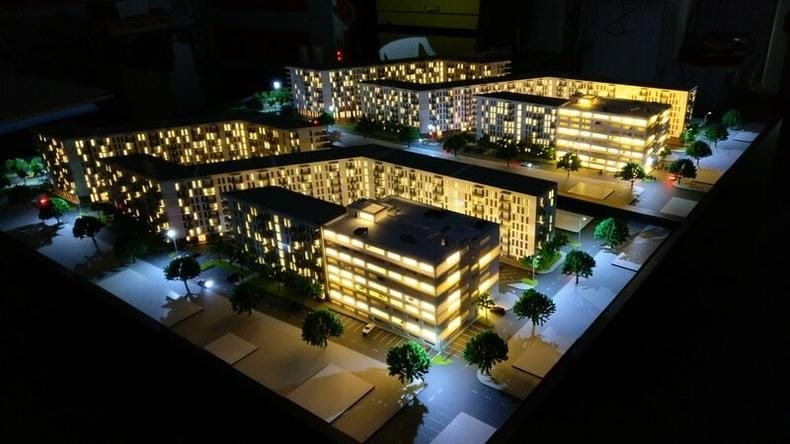
While outlines can be useful for creating diagrammatic drawings, relying too heavily on them in realistic visualizations can result in a flat, cartoonish appearance. In the real world, objects are defined by values of light and shadow, not by sharp, black lines. Think of it as painting a portrait using only a thick black marker – it might be recognizable, but it won’t capture the nuances of light and shadow that bring a face to life.
Imagine drawing a street scene with every building outlined in heavy black lines. The resulting image would feel artificial and lack depth. Viewing the scene in terms of values – levels of light and shade – and using these values to define the edges of buildings will create a more realistic and atmospheric representation.
प्रभाव: फ्ल्याट, cartoonish drawings that lack depth and realism. Overreliance on outlines can detract from the visual appeal and believability of the model.
समाधान:
- View the World in Terms of Values: Train yourself to see the world in terms of levels of light and shade. Pay attention to how light interacts with surfaces and creates highlights, छायाँ, and gradations.
- Use Values to Define Edges: Instead of relying on outlines, use values to define the edges of buildings and other objects in your drawings. This will create a more subtle and realistic effect.
2.8 Overcomplicating the Design
वास्तुकला मा, simplicity is often the ultimate sophistication. While complex designs can be visually stunning, they can also be impractical, महँगो, and difficult to construct. Overcomplicating the design can lead to a model that’s technically impressive but ultimately fails to meet the client’s needs or budget. Think of it as building a Rube Goldberg machine – it might be fascinating to watch, but it’s not very efficient or practical.
Imagine designing a house with countless intricate details, such as elaborate moldings, custom-made hardware, and complex rooflines. The model might look amazing, but the real house would be incredibly expensive to build and maintain. Focusing on simplicity and functionality can often lead to a more elegant and cost-effective design.
प्रभाव: Increased costs, construction challenges, and potential maintenance issues. Overcomplicated designs can lead to models that misrepresent the building’s practicality and affordability.
समाधान:
- Focus on Simplicity and Functionality: Prioritize the essential elements of the design and eliminate unnecessary complexity. Ensure that every detail serves a purpose and contributes to the overall functionality and aesthetic of the building.
- Conduct Feasibility Studies: Before committing to complex design elements, conduct feasibility studies to evaluate their practicality, cost-effectiveness, and potential impact on the project timeline.
2.9 Poor Space Planning
Space planning is the art of organizing interior spaces to maximize functionality, सुख, and aesthetic appeal. Poor space planning can lead to cramped, awkward, or non-functional areas within a building, detracting from the overall living experience. Think of it as arranging furniture in a room without considering the flow of traffic or the placement of windows and doors – the result can be a chaotic and uncomfortable space.
Imagine designing a kitchen with the refrigerator located on the opposite side of the room from the stove and sink. The model might look visually appealing, but the real kitchen would be incredibly inconvenient to use. Prioritizing functionality in the layout is crucial for creating a comfortable and efficient living space.
प्रभाव: Cramped, awkward, or non-functional areas within a building. Poor space planning can lead to discomfort, inconvenience, and a reduced quality of life for the building’s occupants.
समाधान:
- Prioritize Functionality in Layouts: Consider the flow of traffic, the placement of windows and doors, and the relationships between different spaces. Ensure that the layout is intuitive, दक्ष, and supports the intended use of the building.
- Understand and Incorporate the Client’s Needs: Collaborate closely with the client to understand their lifestyle, प्राथमिकताहरू, and functional requirements. Design the space to meet their specific needs and create a comfortable and personalized living environment.
2.10 Wasting Existing Space
In many renovation and remodeling projects, making the most of existing space is crucial for maximizing value and minimizing costs. Wasting existing space can lead to cramped living conditions, inefficient layouts, and a missed opportunity to enhance the functionality and aesthetic appeal of the building. Think of it as leaving money on the table – you’re not taking full advantage of the resources you already have.
Imagine remodeling a kitchen without considering the existing floor plan or the potential for improving storage. You might end up with a beautiful new kitchen that’s still lacking in functionality and doesn’t fully utilize the available space. Carefully evaluating the existing space and identifying opportunities for improvement is essential for a successful renovation project.
प्रभाव: Inefficient use of space, limited storage, and a missed opportunity to enhance the functionality and aesthetic appeal of the building. Wasting existing space can lead to a reduced quality of life and a lower property value.
समाधान:
- Identify Underutilized Areas: Carefully assess the existing space and identify areas that are underutilized or poorly designed. This could include awkward corners, unused closets, or inefficient layouts.
- Explore Creative Storage Solutions: Consider incorporating creative storage solutions, such as built-in shelves, hidden compartments, and multi-functional furniture. This will help you maximize the available space and keep the building organized and clutter-free.
2.11 Insufficient Sustainability Considerations
आजको संसारमा, sustainability is no longer a luxury; it’s a necessity. Ignoring sustainability in architectural modeling can lead to designs that are energy-inefficient, environmentally unfriendly, र अन्ततः, out of sync with the needs of the planet. Think of it as building a car that guzzles gas and pollutes the air – it might get you from point A to point B, but it’s not a responsible or sustainable choice.
Imagine designing a building with poor insulation, single-pane windows, and no provisions for renewable energy. The model might look visually appealing, but the real building would be incredibly energy-intensive and contribute to greenhouse gas emissions. Incorporating sustainable design principles is crucial for creating buildings that are both environmentally responsible and economically viable.
प्रभाव: Increased energy costs, negative environmental impact, and reduced property value. Ignoring sustainability can lead to buildings that are expensive to operate, contribute to pollution, and are less desirable to environmentally conscious buyers.
समाधान:
- Choose Sustainable Materials and Techniques: Select building materials and construction techniques that have a low environmental impact. This could include recycled materials, sustainably harvested wood, and energy-efficient insulation.
- Incorporate Energy-Efficient Systems: Design the building to maximize natural light and ventilation, and incorporate energy-efficient systems such as high-performance windows, efficient HVAC systems, and renewable energy sources.
Here’s a table of sustainable materials:
भौतिक मैला लाभ Considerations बास Rapidly renewable, strong, and lightweight Susceptible to moisture damage, requires proper treatment Recycled Steel स्थायी, strong, and reduces waste Can be more expensive than virgin steel Reclaimed Wood Unique aesthetic, reduces deforestation May contain lead paint or other contaminants
2.12 Inadequate Planning for Utilities
Utilities, such as electrical, plumbing, and HVAC systems, are the lifeblood of a building. They provide essential services that make the building habitable and functional. Inadequate planning for these systems can lead to significant issues during construction, including costly rework, लायौ, and potential safety hazards. Think of it as building a car without considering the engine or the fuel lines – it might look good, but it won’t get you anywhere.
Imagine designing a house without adequately planning for the placement of electrical outlets or plumbing fixtures. The model might look visually appealing, but the real house would be inconvenient and potentially unsafe to live in. Planning for utilities from the beginning is crucial for creating a functional and comfortable building.
प्रभाव: Construction delays, costly rework, and potential safety hazards. Inadequate planning for utilities can lead to systems that are difficult to install, maintain, or upgrade.
समाधान:
- Incorporate Utilities into the Design Early On: Don’t treat utilities as an afterthought. Integrate them into the design from the beginning, considering their placement, परिणाम, and requirements.
- Create Detailed Utility Plans: Develop comprehensive utility plans that show the exact locations of electrical outlets, plumbing fixtures, HVAC equipment, and other utilities.
III. Materials and Construction
3.1 Bad Materials
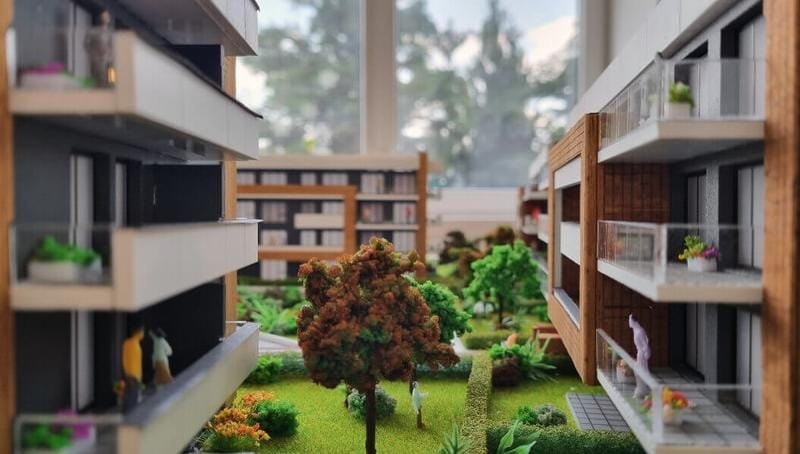
In architectural modeling, the choice of materials can make or break your model. Using subpar materials can lead to a model that looks cheap, flimsy, and doesn’t accurately represent the intended design. Think of it as cooking a gourmet meal with low-quality ingredients – the final result is unlikely to be satisfying.
Imagine building a model of a luxury hotel using cardboard and cheap plastic. The resulting model would likely look unconvincing and fail to capture the elegance and sophistication of the design. Investing in high-quality materials is crucial for creating a model that accurately represents your vision.
प्रभाव: Models that look cheap, flimsy, and don’t accurately represent the intended design. Using subpar materials can detract from the visual appeal and believability of the model.
समाधान:
- Choose High-Quality Materials: Select materials that are durable, सौन्दर्य रमाइलो, and accurately represent the materials that will be used in the real building. This could include basswood, बाध्यता, धातु, and high-quality cardboard.
- Consider the Scale of the Model: The scale of the model should influence your choice of materials. Smaller models may require thinner and more delicate materials, while larger models can accommodate thicker and more robust materials.
3.2 Aiming for Perfection
While striving for excellence is admirable, aiming for perfection in architectural modeling can be a recipe for frustration and delays. Overly focusing on minute details and unrealistic expectations can lead to a model that’s overly complex, time-consuming to build, र अन्ततः, not significantly better than a model that’s simply “good enough.” Think of it as spending hours polishing a doorknob when the rest of the house is still under construction – it might be shiny, but it’s not the most productive use of your time.
Imagine spending weeks meticulously crafting every detail of a model, only to realize that the client is more concerned with the overall design concept than with the precise replication of every brick and tile. Focusing on the essential elements and conveying the overall design intent can often be more effective than striving for unattainable perfection.
प्रभाव: Increased costs, लायौ, and reduced efficiency. Aiming for perfection can lead to models that are overly complex, time-consuming to build, and not significantly better than models that are simply “good enough.”
समाधान:
- Focus on the Essential Elements: Prioritize the key features of the design and focus your attention on accurately representing those elements. Don’t get bogged down in minor details that don’t significantly contribute to the overall impact of the model.
- Set Realistic Expectations: Recognize that architectural models are representations of the design, not exact replicas. Aim for accuracy and realism, but don’t strive for unattainable perfection.
3.3 Neglecting Texture and Pattern
Texture and pattern are essential for adding visual interest, गहनता, and realism to architectural models. Neglecting to incorporate these elements can result in models that look flat, sterile, and unconvincing. Think of it as taking a black-and-white photo of a colorful scene – it might capture the basic shapes and forms, but it won’t convey the full vibrancy and richness of the experience.
Imagine building a model of a brick building with perfectly smooth, uniform walls. The resulting model would lack the visual interest and tactile quality of real brick, failing to capture the character and texture of the material. Incorporating texture and pattern can bring your models to life and create a more immersive and engaging viewing experience.
प्रभाव: फ्ल्याट, sterile models that lack visual interest and realism. Neglecting texture and pattern can detract from the believability of the model and make it difficult to connect with the design.
समाधान:
- Use Texturing Techniques: Explore different texturing techniques to create realistic surfaces on your models. This could include applying sandpaper to create a rough surface, using stencils to create patterns, or using specialized texturing materials.
- Incorporate Patterns: Consider incorporating patterns into your models to add visual interest and depth. This could include repeating patterns of bricks, टाइलहरू, वा अन्य सामग्रीहरू.
3.4 Using Poor Materials
The quality of your tools and materials directly impacts the quality of your final model. Using blunt pencils, blotchy pens, or smudging erasers can lead to frustrating results and detract from the overall presentation. Investing in good quality supplies is essential for creating sharp, सफा, and visually appealing models. Think of it as trying to build a house with flimsy tools – the result is unlikely to be sturdy or well-crafted.
Imagine trying to draw a detailed facade with a blunt pencil that constantly breaks and smudges. The resulting drawing would be messy, imprecise, and difficult to interpret. Investing in high-quality pencils, pens, and erasers will make the drawing process easier, more enjoyable, र अन्ततः, more successful.
प्रभाव: Messy, imprecise models that lack visual appeal. Using poor quality supplies can detract from the overall presentation and make it difficult to convey your design intent effectively.
समाधान:
- Invest in Quality Tools: Purchase high-quality pencils, pens, erasers, rulers, and other tools that are designed for architectural drafting. This will make the modeling process easier, थप सटीक, and more enjoyable.
- Take Care of Your Supplies: Store your tools properly to keep them in good condition. Sharpen pencils regularly, clean pens after use, and replace erasers when they become dirty or worn.
IV. The Digital Model and 3D Printing Specific Mistakes
4.1 The Architects that Literally Know Nothing About 3D Printing
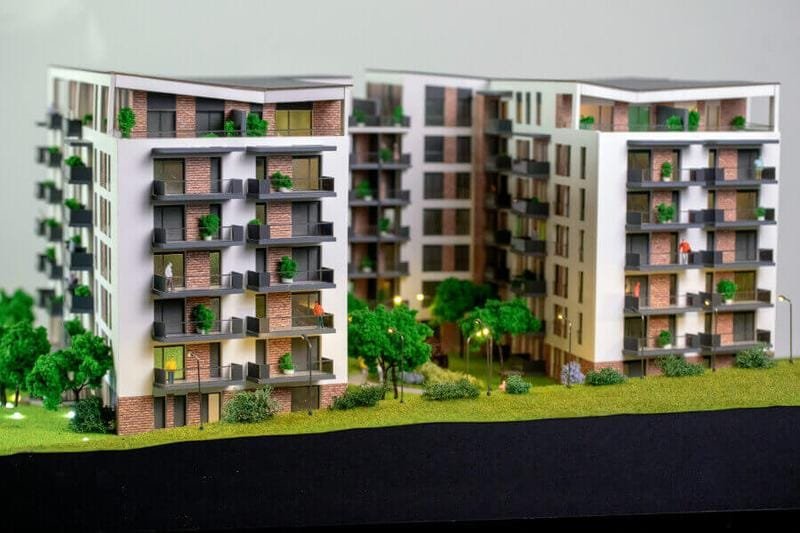
3D printing has revolutionized architectural modeling, offering new possibilities for creating detailed and accurate representations of designs. तैपनि, many architects lack a fundamental understanding of 3D printing technology, its capabilities, and its limitations. This lack of knowledge can lead to models that are difficult or impossible to print, resulting in wasted time, वस्तुजार, and frustration. Think of it as trying to drive a car without knowing how to use the pedals or steering wheel – you’re unlikely to get very far.
Imagine designing a complex model with intricate details that are too small to be printed on a standard 3D printer. You might spend hours creating the model, only to discover that it’s unprintable. Learning the basics of 3D printing is essential for creating models that can be successfully translated into physical form.
प्रभाव: Models that are difficult or impossible to print, wasted time and resources, and frustration. A lack of understanding of 3D printing can limit your creativity and prevent you from taking full advantage of this powerful technology.
समाधान:
- Learn the Basics of 3D Printing: Take the time to learn about different 3D printing technologies, their capabilities, and their limitations. This will help you design models that are compatible with the printing process.
- Consult with 3D Printing Experts: Talk to 3D printing experts to get their advice on how to design models for optimal printing results. They can provide valuable insights and guidance on material selection, print settings, and other factors that can affect the outcome.
4.2 Everything in One File
When designing architectural models for 3D printing, it’s essential to organize your files in a way that is compatible with the printing process. A common mistake is to include all the elements of the model in a single file, making it difficult to print certain parts separately or to adjust the design as needed. Think of it as trying to pack all your belongings into one giant suitcase – it might be technically possible, but it’s unlikely to be efficient or practical.
Imagine designing a multi-story building with every floor, every wall, and every piece of furniture included in a single STL file. Printing this file would be extremely challenging, if not impossible. Separating the model into smaller, more manageable files allows you to print each component separately and assemble them later.
प्रभाव: Difficulty printing the model, wasted time and resources, and reduced flexibility. Including all the elements in a single file can make it difficult to adjust the design or to print certain parts separately.
समाधान:
- Separate Your Model into Smaller Files: Divide your model into smaller, more manageable files based on the different components or sections of the building. This could include separating the floors, भित्ता, roof, and other elements into individual files.
- Use a Consistent Naming Convention: Establish a clear and consistent naming convention for your files. This will make it easier to identify and organize the different components of the model.
4.3 Models are Sets of Surfaces
3D printing requires solid models, not just surfaces. A surface is a two-dimensional shape without any thickness, while a solid has volume and can be filled with material. Designing a model with just surfaces can lead to printing errors or models that are fragile and easily broken. Think of it as trying to build a wall with just wallpaper – it might look nice, but it won’t provide any structural support.
Imagine designing a building with walls that are represented as single surfaces without any thickness. Printing this model would be impossible, as the printer would have nothing to fill with material. Ensuring that your models are solid and have volume is essential for successful 3D printing.
प्रभाव: Printing errors, fragile models that are easily broken, and wasted time and resources. Designing models with just surfaces can prevent you from taking full advantage of 3D printing technology.
समाधान:
- Ensure Your Models are Solid: Verify that your models have volume and are not just composed of surfaces. Most 3D modeling software includes tools for creating and verifying solid models.
- Specify Wall Thickness: When designing walls or other structural elements, specify a minimum thickness to ensure that the model is strong enough to withstand the printing process and to provide structural support.
4.4 Incorrect Scale
Choosing the correct scale for your architectural model is crucial for accurately representing the design and for ensuring that the model can be successfully printed. Scaling the model down too much can result in details that are too small to print, while scaling it up too much can make the model too large for the printer. Think of it as trying to fit a square peg into a round hole – it just won’t work.
Imagine designing a model of a building that is so small that the walls are only a few millimeters thick. Printing this model would be difficult, as the printer might struggle to create such thin features. Scaling the model up to a more manageable size can ensure that the details are printable and that the model is strong enough to withstand the printing process.
प्रभाव: Details that are too small to print, models that are too large for the printer, and wasted time and resources. Choosing the wrong scale can prevent you from successfully printing your architectural model.
समाधान:
- Choose a Scale that is Compatible with Your Printer: Before you begin designing your model, तपाईंको 3D प्रिन्टरको विशिष्टताहरू जाँच गर्नुहोस् र यसले प्रिन्ट गर्न सक्ने अधिकतम र न्यूनतम आकारहरू निर्धारण गर्नुहोस्. यी सीमाहरू भित्र पर्ने मापन छान्नुहोस्.
- समानुपातिकता कायम राख्नुहोस्: आफ्नो मोडेल मापन गर्दा, डिजाइनको अनुपात कायम राख्न निश्चित हुनुहोस्. मोडेललाई असमान रूपमा मापन गर्दा डिजाइन विकृत हुन सक्छ र बुझ्न गाह्रो हुन सक्छ.
4.5 धेरै विवरण
यथार्थपरक र सटीक वास्तुकला मोडेलहरू सिर्जना गर्नको लागि विवरण महत्त्वपूर्ण छ, धेरै विवरण वास्तवमा हानिकारक हुन सक्छ, विशेष गरी थ्रीडी प्रिन्टिङको लागि डिजाइन गर्दा. प्रिन्ट गर्न धेरै सानो वा धेरै जटिल हुने अत्यधिक विवरणहरू समावेश गर्दा मुद्रण त्रुटिहरू हुन सक्छ, समय बर्बाद, र मोडेलहरू भेला गर्न गाह्रो छ. यसलाई चामलको दानामा उत्कृष्ट कृति चित्रण गर्ने प्रयासको रूपमा सोच्नुहोस् - यो प्राविधिक रूपमा प्रभावशाली हुन सक्छ, but it’s unlikely to be visually appealing.
Imagine designing a model of a building with hundreds of tiny windows, intricate moldings, and ornate carvings. Printing this model would be extremely challenging, as many of the details would be too small or too intricate for the printer to handle. Simplifying the design and eliminating unnecessary details can make the model easier to print and more visually appealing.
प्रभाव: Printing errors, wasted time and resources, र मोडेलहरू भेला गर्न गाह्रो छ. Including too much detail can prevent you from successfully printing your architectural model.
समाधान:
- Simplify the Design: Identify and eliminate unnecessary details that don’t significantly contribute to the overall “`html
impact of the model. Focus on the essential elements and prioritize accuracy and clarity. - Use Textures Instead of Geometry: केही अवस्थामा, you can use textures instead of geometry to represent details. This can reduce the complexity of the model and make it easier to print.
4.6 One Model = One Print
While it might be tempting to try to print an entire architectural model in one piece, this is often not the most efficient or effective approach. Printing the model in multiple pieces and then assembling them can make the process easier, छिटो, and more accurate. Think of it as building a model airplane from a kit – it’s much easier to assemble the individual pieces than to try to create the entire plane from scratch.
Imagine trying to print a complex building with overhanging features, जटिल विवरण, and multiple materials in one piece. The printer would likely struggle to support the overhanging features, and the details would be difficult to replicate accurately. Printing the model in multiple pieces allows you to optimize the printing process for each component and to achieve a higher level of detail.
प्रभाव: Printing difficulties, reduced accuracy, and increased printing time. Trying to print an entire model in one piece can be challenging and may not yield the best results.
समाधान:
- Break the Model into Smaller Parts: Divide the model into smaller, more manageable pieces that can be printed separately. This could include separating the walls, भुइ, roof, and other components into individual parts.
- Design for Assembly: When designing the individual parts, consider how they will be assembled. Include features such as tabs, slots, or alignment pins to make the assembly process easier and more accurate.
वि. General Professional Practices
5.1 Failing to Adapt to Technological Advancements
The field of architecture is constantly evolving, with new technologies and techniques emerging all the time. Failing to adapt to these advancements can put you at a disadvantage, limiting your creativity and reducing your efficiency. Think of it as sticking with a horse and buggy when everyone else is driving cars – you might still be able to get where you’re going, but it will take a lot longer and be a lot less comfortable.
Imagine relying solely on traditional drafting methods when other architects are using Building Information Modeling (बिमले पैर) software to create detailed and accurate 3D models. You would likely be less efficient, less accurate, and less able to compete in the modern marketplace. नयाँ टेक्नोलोजीहरू अंगाल्नु कर्भको अगाडि रहनको लागि र तपाईंको ग्राहकहरूलाई उत्कृष्ट सम्भावित परिणामहरू प्रदान गर्न आवश्यक छ।.
प्रभाव: कम रचनात्मकता, दक्षता घट्यो, र बजारमा प्रतिस्पर्धा गर्ने क्षमतामा ह्रास आएको छ. प्राविधिक प्रगतिहरू अनुकूल गर्न असफल हुँदा तपाईंको क्यारियर सम्भावनाहरू सीमित हुन सक्छ र तपाईंलाई आफ्नो पूर्ण क्षमतामा पुग्नबाट रोक्न सक्छ।.
समाधान:
- नयाँ प्रविधिहरू अँगाले: नयाँ प्रविधिहरू सिक्न र प्रयोग गर्न खुला हुनुहोस्, जस्तै BIM सफ्टवेयर, भर्चुअल वास्तविकता (मूसो), र संवर्धित वास्तविकता (पालन चढ्ने).
- प्रशिक्षण पाठ्यक्रम र कार्यशालाहरूमा भाग लिनुहोस्: प्रशिक्षण पाठ्यक्रमहरूमा भाग लिएर नवीनतम प्रविधिहरू र प्रविधिहरूमा अद्यावधिक रहनुहोस्, कार्यशाला, र उद्योग घटनाहरू.
5.2 सर्ट चेन्जिङ सुरक्षा
आजको डिजिटल संसारमा, सुरक्षा एक सर्वोपरि चिन्ता हो, विशेष गरी जब संवेदनशील वास्तु योजना र ग्राहक डेटा संग व्यवहार. Shortchanging security can expose your firm to cyberattacks, data breaches, and reputational damage. Think of it as leaving your house unlocked while you’re on vacation – you’re inviting trouble.
Imagine storing your architectural plans on a cloud server without adequate security measures. A hacker could gain access to your files and steal sensitive client information, potentially leading to legal and financial consequences. Implementing robust security protocols is essential for protecting your firm and your clients.
प्रभाव: Cyberattacks, data breaches, reputational damage, and legal consequences. Shortchanging security can jeopardize your firm’s financial stability and erode client trust.
समाधान:
- Implement Strong Security Measures: Protect your digital assets with strong passwords, firewalls, intrusion detection systems, and other security measures.
- Train Your Employees: Educate your employees about cybersecurity threats and best practices.
5.3 Neglecting to Centralize Core Goals and Capabilities
In large architectural firms, it’s essential to centralize core goals and capabilities to avoid duplication of effort, inefficiencies, and inconsistencies. Neglecting to do so can lead to silos, where different departments or teams operate independently, without sharing information or coordinating their activities. Think of it as building a house with multiple contractors who aren’t communicating with each other – the result is likely to be a disjointed and poorly integrated design.
Imagine a firm where the design team is unaware of the construction team’s capabilities, or where the marketing team isn’t aligned with the business development goals. यो समन्वयको कमीले स्रोतहरू बर्बाद हुन सक्छ, अवसरहरू गुमाए, र बजारमा प्रतिस्पर्धा गर्ने क्षमता कम हुन्छ. एक सुसंगत र प्रभावकारी संगठन सिर्जना गर्न मूल लक्ष्यहरू र क्षमताहरू केन्द्रीकृत गर्न आवश्यक छ.
प्रभाव: प्रयासको नक्कल, inefficiencies, असंगतिहरु, र प्रतिस्पर्धा गर्ने क्षमता कम हुन्छ. मुख्य लक्ष्यहरू र क्षमताहरूलाई केन्द्रीकृत गर्न असफल हुँदा तपाईंको फर्मको वृद्धि क्षमता सीमित हुन सक्छ र यसको नाफा घटाउन सक्छ।.
समाधान:
- स्पष्ट लक्ष्य र उद्देश्यहरू स्थापना गर्नुहोस्: फर्मको मूल लक्ष्य र उद्देश्यहरू परिभाषित गर्नुहोस् र तिनीहरूलाई सबै कर्मचारीहरूलाई स्पष्ट रूपमा सञ्चार गर्नुहोस्.
- सहकार्य र सञ्चार प्रवर्द्धन गर्नुहोस्: विभिन्न विभाग र टोलीहरू बीचको सहकार्य र सञ्चारलाई प्रोत्साहन गर्नुहोस्.
5.4 सम्भावित मिति डिजाइनहरू
वास्तुकला शैलीहरू आउँछन् र जान्छन्, र आज के फैशनेबल छ भोलि मिति मान्न सकिन्छ. Creating designs that are overly trendy or reliant on fleeting fads can lead to buildings that quickly lose their appeal. Think of it as wearing clothes that are out of style – you might look good for a while, but eventually you’ll be seen as out of touch.
Imagine designing a house with large pillars on the front porch, a feature that was popular in the past but is now considered outdated by many. The resulting house might look somewhat out of place and fail to appeal to modern buyers. Choosing designs that are timeless and adaptable is essential for creating buildings that will stand the test of time.
प्रभाव: Buildings that quickly lose their appeal, reduced property value, and difficulty attracting buyers or tenants. मिति डिजाइनहरू सिर्जना गर्नाले तपाईंको परियोजनाहरूको दीर्घकालीन मूल्यलाई सीमित गर्न सक्छ.
समाधान:
- कालातीत सिद्धान्तहरूमा फोकस गर्नुहोस्: कार्यक्षमता मा जोड संग डिजाइन, स्थिरता, and aesthetic appeal.
- क्षणिक फ्याडहरूबाट बच्नुहोस्: फेसनदार डिजाइन तत्वहरू समावेश गर्न सावधान रहनुहोस् जुन चाँडै पुरानो हुन सक्छ.
5.5 एक निश्चित मानसिकता भएको
वास्तुकलाको क्षेत्र निरन्तर परिवर्तन भइरहेको छ, आर्किटेक्टहरू लचिलो हुन आवश्यक छ, अनुकूलन योग्य, र नयाँ विचारहरूको लागि खुला. एक निश्चित मानसिकता भएको, जहाँ तपाईं नयाँ दृष्टिकोणहरूको प्रतिरोध गर्नुहुन्छ वा पुरानो प्रविधिहरूमा टाँसिनुहुन्छ, तपाईंको वृद्धिलाई सीमित गर्न र तपाईंको पूर्ण क्षमतामा पुग्नबाट रोक्न सक्छ. शब्दहरू फरक रूपमा उच्चारण गर्न इच्छुक नभई नयाँ भाषा सिक्ने प्रयासको रूपमा सोच्नुहोस् - तपाईं कहिले पनि धाराप्रवाह बोल्न सक्षम हुनुहुने छैन।.
नयाँ सफ्टवेयर प्रोग्रामहरू सिक्न वा विभिन्न डिजाइन शैलीहरूसँग प्रयोग गर्न इच्छुक वास्तुकारको कल्पना गर्नुहोस्।. तिनीहरू पुरानो उपकरण र प्रविधिहरू प्रयोग गर्न सीमित हुन सक्छन्, तिनीहरूलाई अभिनव र आकर्षक डिजाइनहरू सिर्जना गर्नबाट रोक्न. विकासको मानसिकता खेती गर्ने र नयाँ चुनौतिहरू अँगाल्ने वास्तुकलाको निरन्तर परिवर्तनशील क्षेत्रमा सफलताको लागि आवश्यक छ।.
प्रभाव: सीमित वृद्धि, कम रचनात्मकता, र बदलिँदो परिस्थितिमा अनुकूलन गर्ने क्षमता कम हुन्छ. एक निश्चित मानसिकता भएकोले तपाईंलाई आफ्नो पूर्ण क्षमतामा पुग्न र वास्तुकलाको क्षेत्रको प्रगतिमा योगदान गर्नबाट रोक्न सक्छ।.
समाधान:
- आजीवन सिकाइलाई अँगाल्नुहोस्: आफ्नो क्यारियर भर निरन्तर सिक्ने र व्यावसायिक विकास गर्न प्रतिबद्ध.
- नयाँ विचारहरूको लागि खुला हुनुहोस्: नयाँ विचारहरूमा ग्रहणशील हुनुहोस्, सर्निवृत्ति, र प्रविधिहरू, यदि तिनीहरूले तपाईंको अवस्थित विश्वास वा अभ्यासहरूलाई चुनौती दिन्छन् भने.
VI. निष्कर्ष
वास्तुकला मोडेलहरू दृश्यका लागि आवश्यक उपकरणहरू हुन्, सञ्चार गर्दै, र डिजाइन विचारहरू परिष्कृत. तैपनि, यी मोडेलहरू सिर्जना गर्ने प्रक्रिया सम्भावित त्रुटिहरूले भरिएको छ. आधारभूत योजना चरणहरूलाई बेवास्ता गर्नेदेखि नयाँ प्रविधिहरूसँग अनुकूलन गर्न असफल, धेरै गल्तीहरूले तपाईंको परियोजनालाई पटरीबाट उतार्न सक्छ र निराशाजनक परिणामहरू निम्त्याउन सक्छ. यी सामान्य त्रुटिहरू बुझेर र यस गाइडमा उल्लिखित समाधानहरू लागू गरेर, तपाईं वास्तुकला मोडेलहरू बनाउन सक्नुहुन्छ जुन सही छन्, प्रभावकारी, र साँच्चै तपाईंको डिजाइन दृष्टि को प्रतिनिधि.
सम्झनुहोस्, सावधान योजना, विवरणमा सावधानीपूर्वक ध्यान, र वास्तुकला मोडलिङमा सफलताको लागि निरन्तर सिक्ने प्रतिबद्धता आवश्यक छ. यी सामान्य गल्तीहरू बेवास्ता गरेर, तपाईं मोडेलहरू सिर्जना गर्न सक्नुहुन्छ जसले ग्राहकहरू र सरोकारवालाहरूलाई मात्र प्रभावित गर्दैन तर तपाईंको डिजाइनहरूको सफल प्राप्तिमा पनि योगदान पुर्याउँछ।.
तपाईंको वास्तुकला मोडलिङ कौशल माथि उठाउन तयार? तल टिप्पणीहरूमा आफ्नो अनुभव र अन्तर्दृष्टि साझा गर्नुहोस्! के कस्ता चुनौतीहरुको सामना गर्नु भएको छ, र कुन रणनीतिहरू तपाईंले सबैभन्दा प्रभावकारी पाउनुभयो? आर्किटेक्चरल मोडलिङका उत्कृष्ट अभ्यासहरूको हाम्रो नि:शुल्क चेकलिस्ट डाउनलोड गर्नुहोस् र आफ्नो डिजाइनलाई अर्को स्तरमा लैजानुहोस्.