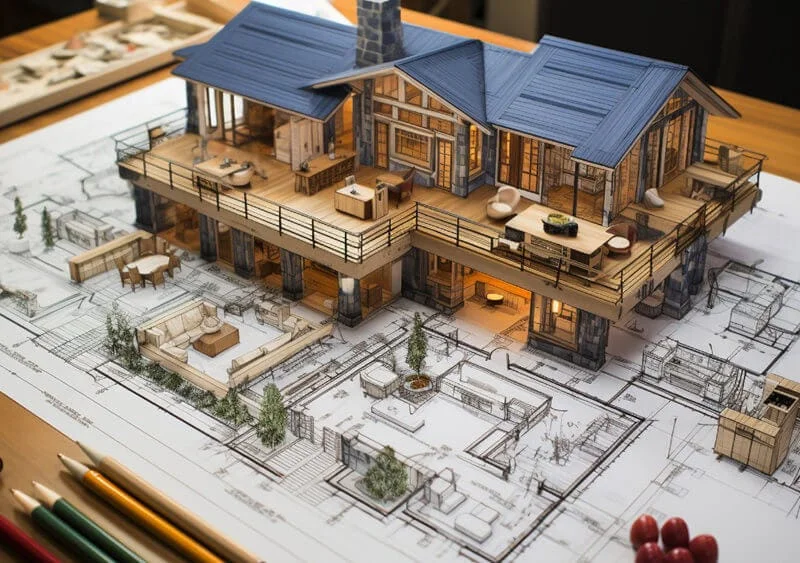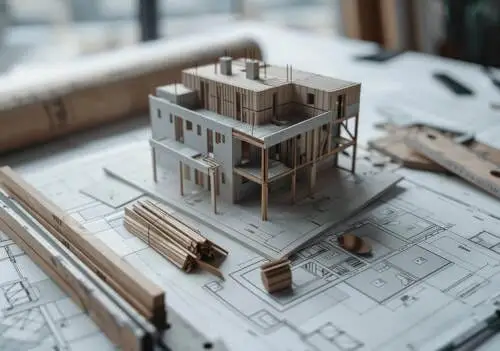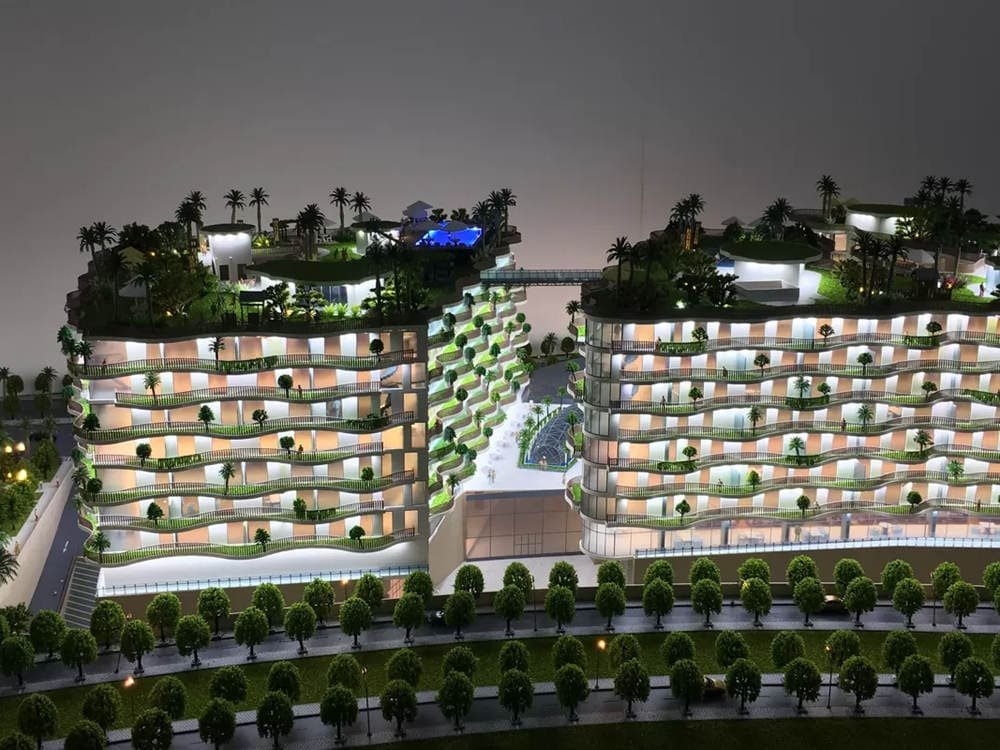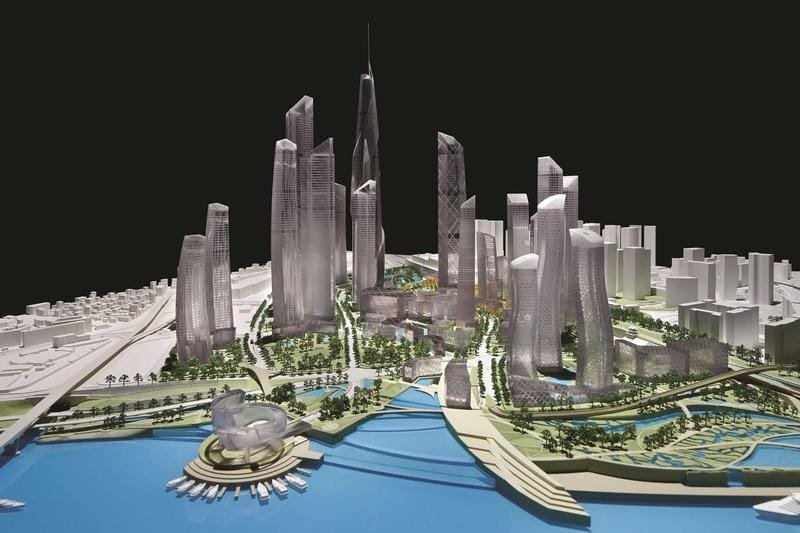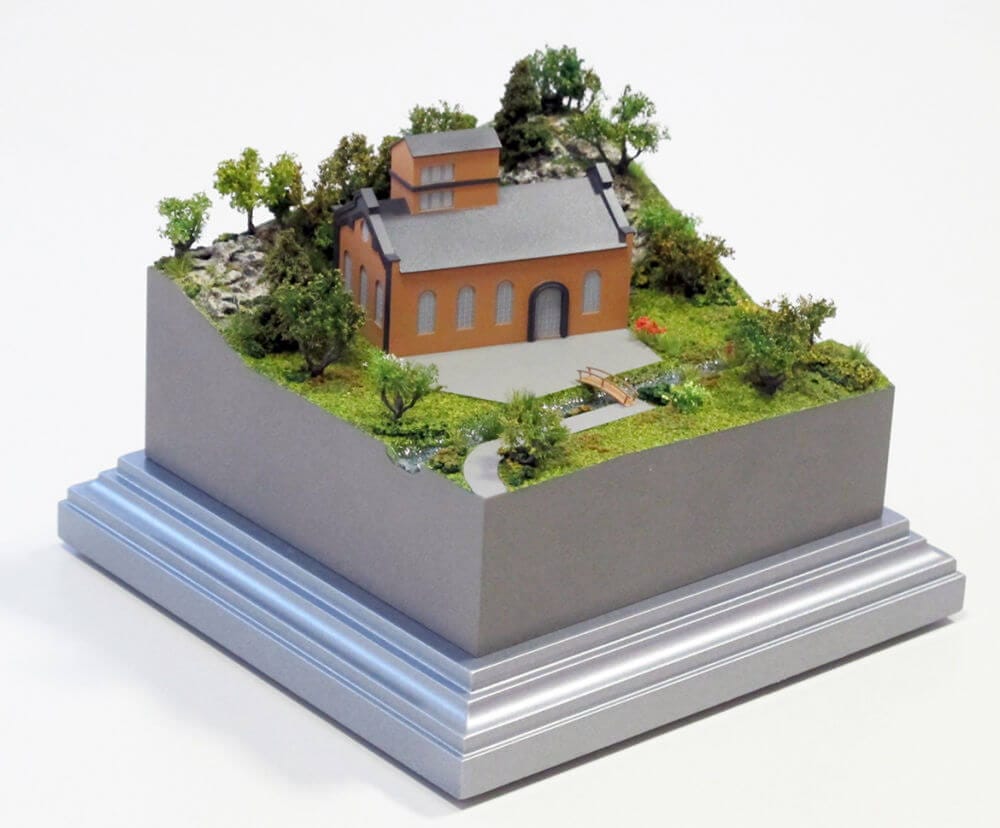
आधारभूत रेखाचित्र: बुझाइ खण्ड बनाम. योजना र उचाइ
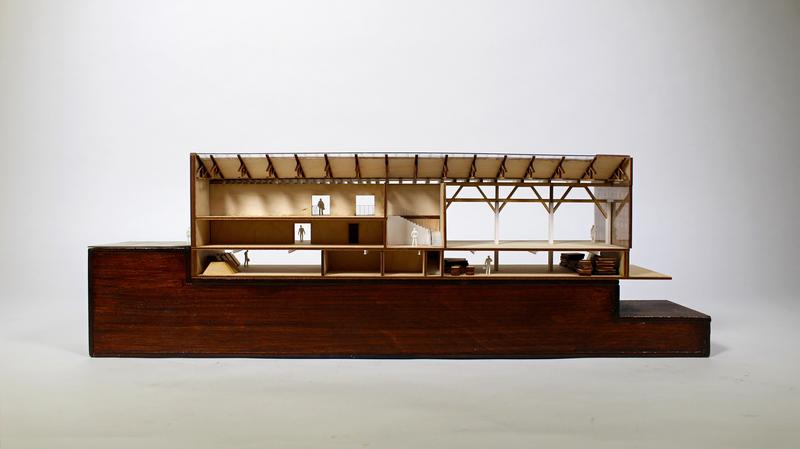
सेक्सन मोडेलहरूमा डाइभ गर्नु अघि, तीनवटा मुख्य प्रकारका वास्तुकला रेखाचित्रहरूमा तिनीहरू कहाँ फिट हुन्छन् भनेर बुझ्न महत्त्वपूर्ण छ. वास्तुकलामा नयाँ जो कोहीको लागि, सर्तहरू “योजना,” “खण्ड,” र “उचाइ” भ्रमित हुन सक्छ. तिनीहरूलाई एक साधारण समानता संग तोडौं: एक घण्टी मिर्च (वा क्याप्सिकम).
खोक्रो घण्टी मिर्च जस्तै भवनको बारेमा सोच्नुहोस्. सबै तीन प्रकारका रेखाचित्र हुन् “अर्थोग्राफिक अनुमानहरू,” जुन तिनीहरू समतल छन् भनी भन्नको राम्रो तरिका हो, 2कुनै परिप्रेक्ष्य विकृति बिना 3D वस्तुको D दृश्यहरू. तिनीहरू साँचो-टु-स्केल प्रतिनिधित्व हुन्.
- योजना: कल्पना गर्नुहोस् कि तपाईंले घण्टी मिर्च तेर्सो रूपमा स्लाइस गर्नुभयो, लगभग बीचमा, र शीर्ष हटाउनुहोस्. यदि तपाइँ सीधा तल काटेर हेर्नुहुन्छ, तपाईं योजना देख्नुहुन्छ. वास्तुकला मा, यो भवन मार्फत तेर्सो टुक्रा हो, सामान्यतया बारेमा 4 खुट्टा (अथवा 1.2 मिटर) भुइँ माथि. यसले तपाईंलाई कोठाको लेआउट देखाउँछ, पर्खाल को मोटाई, र त्यो स्तरमा ढोका र झ्यालहरूको प्लेसमेन्ट.
- उचाइ: अहिले, पूरै घण्टी मिर्चलाई टेबुलमा राख्नुहोस् र यसलाई सिधै अगाडिबाट हेर्नुहोस्. त्यो अगाडिको उचाइ हो. यसले बाहिरी रूप देखाउँछ - भवनको मुखौटा, यसको सामग्री, र बाहिरबाट यसको समग्र आकार. तपाईंसँग अगाडि छ, फिर्ता, र दुई पक्ष उचाइ.
- खण्ड: अन्तमा, त्यो काली मिर्च लिनुहोस् र यसलाई माथि देखि तल ठाडो रूपमा टुक्रा पार्नुहोस्. अब तपाईं भित्र सबै कुरा देख्न सक्नुहुन्छ - खाली ठाउँ, छाला को मोटाई, र बीउ. खण्ड रेखाचित्रले भवनको लागि पनि त्यस्तै गर्छ. यो एक ठाडो कट हो जसले भित्री खाली ठाउँहरू प्रकट गर्दछ, भुइँ-देखि-छत उचाइहरू, यसलाई समात्ने संरचना, र कसरी फरक फ्लोरहरू जडान हुन्छ.
यसलाई अझ स्पष्ट बनाउनको लागि यहाँ द्रुत तुलना छ:
| रेखाचित्र प्रकार | दृष्टिकोण | यसले के देखाउँछ | प्राथमिक उद्देश्य |
|---|---|---|---|
| योजना | तेर्सो टुक्रा, तल हेर्दै | कोठा लेआउटहरू, पर्खाल मोटाई, ढोका, एकल फ्लोरमा विन्डोजहरू. | तेर्सो संगठन र स्पेस को प्रवाह बुझ्न. |
| उचाइ | ठाडो दृश्य, बाहिर हेर्दै | भवनको अनुहार, बाहिरी सामग्री, विन्डो ढाँचाहरू, र समग्र उपस्थिति. | भवनको बाह्य चरित्र र सौन्दर्य सञ्चार गर्न. |
| खण्ड | ठाडो टुक्रा, भवन मार्फत काट्दै | भित्री ठाउँहरू, भुइँ उचाइहरू, संरचनात्मक तत्वहरू (किरणहरू, आधारहरू), सीढीहरू. | ठाडो सम्बन्धहरू कल्पना गर्न र भवन कसरी निर्माण गरिएको छ भनेर बुझ्न. |
पछिल्लार्य, योजनाहरू देखाउँदा के एक स्पेस र एलिभेसन शो मा छ यो कस्तो देखिन्छ बाहिरबाट, खण्डहरू अद्वितीय छन्. देखाउँछन् यो सबै कसरी काम गर्दछ र महसुस गर्दछ भित्र भित्र, वास्तुकलाको वास्तविक त्रि-आयामी अनुभव प्रकट गर्दै.
खण्ड मोडेलहरूको टाइपोलोजी & रेखाचित्र
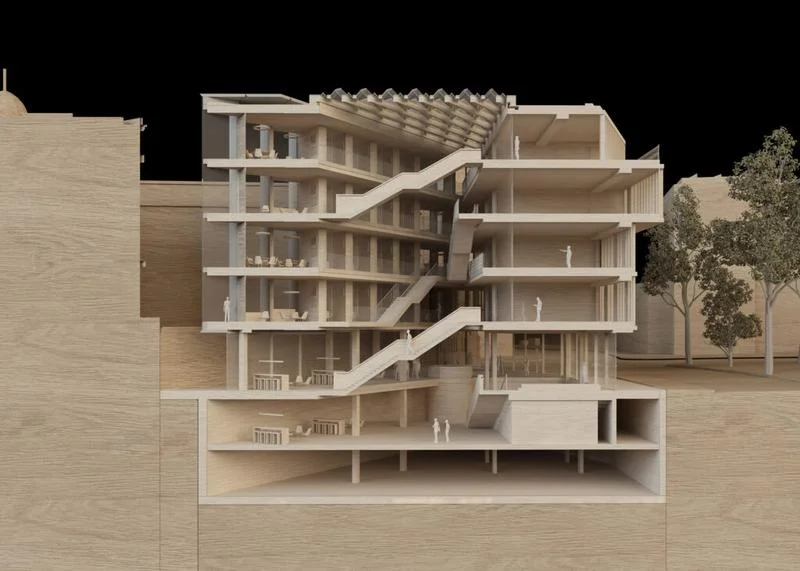
जसरी फिल्म निर्माताले कथा सुनाउन विभिन्न क्यामेराको कोण प्रयोग गर्छन्, एक वास्तुकारले कहाँ छनौट गर्दछ “काट्नु” भवनको बारेमा एक विशिष्ट कथा प्रकट गर्न एउटा खण्ड. सबै खण्डहरू समान छैनन्; प्रत्येक प्रकार एक अद्वितीय उद्देश्य सेवा गर्दछ.
1. पूर्ण वि. आंशिक खण्ड मोडेलहरू
- पूर्ण खण्ड मोडेलहरू: यंहा, एउटा पूरै भवन यसको मुख्य अक्षहरूमा काटिएको छ, अन्त देखि अन्त सम्म. यो सिधै बीचबाट स्याउ काट्नु जस्तै हो. यो दृष्टिकोण ठूलो वा जटिल भवन को एक व्यापक सिंहावलोकन दिन को लागी सबै भन्दा राम्रो छ, गगनचुम्बी भवन वा एयरपोर्ट टर्मिनल जस्तै. यसले देखाउँछ कि भवनका सबै विभिन्न भागहरू कसरी एकसाथ मिलाएर काम गर्छन्.
- आंशिक खण्ड मोडेलहरू: पूरै भवन काट्नुको सट्टा, एक आंशिक खण्ड केवल एक विशिष्ट मा केन्द्रित छ, महत्त्वपूर्ण क्षेत्र. यो एक ठाउँमा तहहरू हेर्नको लागि केकको सानो वेज काट्नु जस्तै हो. यो प्रविधि मुख्य डिजाइन सुविधामा जुम इन गर्नको लागि उपयुक्त छ, जस्तै जटिल सीढी, एक अद्वितीय अनुहार विवरण, वा केन्द्रीय अलिंद.
2. खण्डीय उचाइ
यो एक चालाक हाइब्रिड रेखाचित्र हो. यसले अग्रभूमिमा काटिएको सफा खण्डलाई पर्खाल र खाली ठाउँहरूको मानक उचाइ दृश्यसँग जोड्दछ। परे काट. यो प्रविधि सन्दर्भ प्रदान गर्न को लागी शानदार छ. दर्शकले काटिएको भागको विवरण स्पष्ट रूपमा देख्न सक्छ र यो पनि बुझ्दछ कि त्यो ठाउँ यसको पछाडिको बाँकी भित्री भागसँग कसरी सम्बन्धित छ।. यसले गहिराइ थप्छ र दर्शकहरूलाई ठूलो भोल्युममा आफूलाई अभिमुख गर्न मद्दत गर्छ.
3. खण्डीय परिप्रेक्ष्यहरू
यो अर्को शक्तिशाली र अभिव्यक्त हाइब्रिड हो. खण्डीय परिप्रेक्ष्यमा, काटिएको विमान आफैलाई फ्लैटको रूपमा देखाइएको छ, 2D रेखाचित्र, तर यसको पछाडिको ठाउँ परिप्रेक्ष्यमा कोरिएको छ. यसले गहिराइ र यथार्थवादको नाटकीय भावना सिर्जना गर्दछ. यो भौतिक ठाउँ मात्र नभई वायुमण्डल र त्यो ठाउँको अभिप्रेत प्रयोगको लागि सञ्चार गर्नको लागि उत्कृष्ट उपकरण हो।. उदाहरण को लागी, यसले प्रभावकारी रूपमा औद्योगिक प्रक्रियाको प्रवाह वा सार्वजनिक लबीको गतिशील ऊर्जा देखाउन सक्छ.
4. एक्सोनोमेट्रिक खण्ड मोडेलहरू
यो एक अद्वितीय 3D प्रविधि हो जहाँ भवन काटिएको छ, तर त्यसपछि सम्पूर्ण मोडेल एक कोण मा प्रस्तुत गरिएको छ (सामान्यतया एक isometric वा axonometric प्रक्षेपण). फ्ल्याटको सट्टा, सीधा दृश्य, तपाईंले काटिएको भवनको थप गतिशील त्रि-आयामी दृश्य प्राप्त गर्नुहुन्छ. यो विशेष गरी जटिल स्थानिक सम्बन्धहरू प्रदर्शन गर्नको लागि प्रभावकारी छ जुन साधारण 2D खण्डबाट बुझ्न गाह्रो हुन सक्छ।.
5. विस्तृत खण्डहरू
खण्ड विवरणहरू पनि भनिन्छ, यी हुन् “काम गर्ने घोडा” निर्माण को रेखाचित्र. विस्तृत खण्ड भनेको क्लोज-अप हो, ठूलो खण्डको सानो तर महत्वपूर्ण भागको ठूलो आकारको रेखाचित्र. यसको उद्देश्य भनेको भवन कसरी सँगै राखिएको छ भनेर देखाउनु हो. यो हो जहाँ आर्किटेक्टहरूले मुख्य जंक्शनहरूमा सामग्रीको सटीक संयोजन निर्दिष्ट गर्छन् - जहाँ पर्खालले छतलाई भेट्छ।, कसरी झ्याल बन्द छ, वा कसरी जग जमिनमा जडान हुन्छ. एक निष्क्रिय घर जस्तै उच्च प्रदर्शन भवनहरु को लागी, यी रेखाचित्रहरू निरन्तर हावा बाधा जस्ता चीजहरूको विवरणका लागि आवश्यक छन्.
सृष्टिको कला: कसरी सेक्सन मोडेलहरू बनाइन्छ
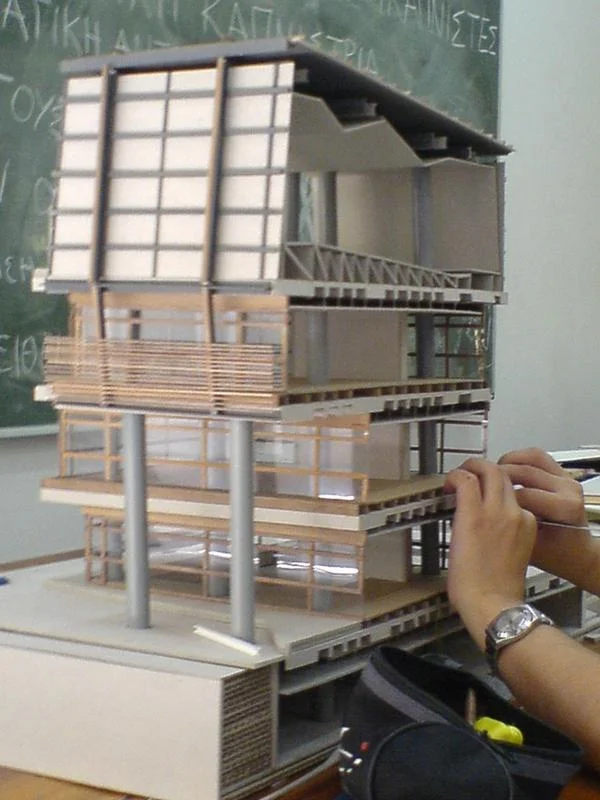
खण्ड मोडेललाई जीवनमा ल्याउनु एउटा शिल्प हो जसले प्राविधिक परिशुद्धतालाई कलात्मक दृष्टिसँग मिलाउँछ. सृष्टि प्रक्रिया सामान्यतया दुई मार्गहरू मध्ये एक पछ्याउँछ: परम्परागत, भौतिक मोडेल बनाउने ह्यान्ड्स-अन दृष्टिकोण, वा आधुनिक, डिजिटल मोडलिङ को शक्तिशाली संसार.
एउटी. भौतिक मोडेल: एक मूर्त दृष्टि
त्यहाँ एक भौतिक मोडेल को बारे मा अद्वितीय रूप देखि शक्तिशाली केहि छ. यो एक वस्तु हो जुन तपाईं वरिपरि हिंड्न सक्नुहुन्छ, स्पर्श गर्नु, र साझा ठाउँमा अरूसँग अनुभव गर्नुहोस्. सामाग्री को छनोट प्रक्रिया को एक महत्वपूर्ण भाग हो, सामग्री आफैंले कथा बताउन मद्दत गर्दछ.
सही सामग्री छनोट गर्दै
| भौतिक | को लागी सबै भन्दा राम्रो | कुञ्जी गुणहरू |
|---|---|---|
| काठ (E.g, बासवुड, बिल्का) | संरचनात्मक तत्वहरूको प्रतिनिधित्व गर्दै, फर्श, र यथार्थपरक समाप्त. | उच्च बहुमुखी, स्थिर, र सजिलै काट्न सकिन्छ, आकारको, र विभिन्न सौन्दर्यशास्त्र को प्रतिनिधित्व गर्न दाग. |
| शरीरको बाल्ने काम / फोम बोर्ड | द्रुत अध्ययन मोडेलहरू सिर्जना गर्दै, सामुत, र साइट टोपोग्राफी. | हल्का चल्ने, सस्तो, र नक्काशी गर्न र आकार गर्न धेरै सजिलो, प्रारम्भिक-चरण डिजाइन अन्वेषणको लागि यसलाई आदर्श बनाउँदै. |
| प्लास्टीक (E.g, बाध्यता, Styrene) | गिलास विन्डोहरू प्रतिनिधित्व गर्दै, पर्दा पर्खालहरू, र आधुनिक, पातलो फिनिश. | पारदर्शी मा उपलब्ध छ, पारदर्शी, र रंगीन रूपहरू. स्थायी, हल्का चल्ने, र लेजरको साथ ठीकसँग काट्न सकिन्छ. |
| दहो कागत | छिटो, सस्तो अवधारणात्मक मोडेल र प्रोटोटाइपहरू. | सजिलै उपलब्ध र हेरफेर गर्न सजिलो, यसलाई विद्यार्थीहरू र प्रारम्भिक डिजाइन कार्यशालाहरूको लागि उत्तम बनाउँदै. |
| धातु (E.g, पीतल, एल्युमिनियम) | रेलिङ जस्ता राम्रा विवरणहरू प्रतिनिधित्व गर्दै, विन्डो लाखौं, वा संरचनात्मक बीमहरू. | शक्ति प्रदान गर्दछ, स्थिरता, र विशिष्टको लागि यथार्थवादको उच्च डिग्री, जटिल घटकहरू. |
बनावटी प्रविधि
- परम्परागत हस्तकला: यो सावधानीपूर्वक मापन गर्ने समय-सम्मान विधि हो, काट्ने काम, आकार दिने, र हातले सामाग्री संयोजन. यसले मोडेल निर्मातालाई पूर्ण कलात्मक नियन्त्रण प्रदान गर्दछ र एक अद्वितीय परिणाम दिन्छ, बनाइएको वस्तु, तर यो धेरै श्रम-गहन छ.
- डिजिटल निर्माण: यो आधुनिक दृष्टिकोणले स्वचालित उपकरणहरू मार्गदर्शन गर्न डिजिटल डिजाइन फाइलहरू प्रयोग गर्दछ, कम्प्यूटर मोडेल र एक भौतिक वस्तु बीचको खाडल पुल.
- 3D प्रिन्टिंग: यो प्रविधिले मोडल निर्माणमा क्रान्तिकारी परिवर्तन ल्याएको छ. यसले 3D डिजिटल फाइलबाट सीधा अविश्वसनीय जटिल र जटिल फारमहरू सिर्जना गर्न अनुमति दिन्छ, जुन हातले निर्माण गर्न लगभग असम्भव हुनेछ.
- लेजर काट & CNC मिलिंग: यी प्रविधिहरू पूर्ण परिशुद्धता सुनिश्चित गर्नका लागि उपयुक्त छन्. लेजर कटरहरूले एक्रिलिक र काठ जस्ता फ्ल्याट सामग्रीहरू अविश्वसनीय सटीकताका साथ काट्न सक्छन्, जबकि सीएनसी मिलहरूले सामग्रीको ठोस ब्लकहरूबाट विस्तृत आकारहरू कोर्न सक्छन्.
B. डिजिटल मोडेल: विवरणको भर्चुअल संसार
डिजिटल खण्ड मोडेलले अविश्वसनीय लचिलोपन प्रदान गर्दछ, यथार्थता, र सजिलै परिमार्जन गर्न सक्ने क्षमता. तिनीहरू शक्तिशाली सफ्टवेयर उपकरणहरूको दायरा प्रयोग गरेर सिर्जना गरिएका छन्, प्रत्येकको आफ्नै शक्ति संग.
आर्किटेक्टको डिजिटल टूलकिट
| सल्लो सफ्टवेयर | खण्ड मोडलिङमा प्राथमिक भूमिका |
|---|---|
| Autodskk प्रशोधन | प्रिमियर BIM को रूपमा (निर्माण जानकारी मोडलिंग) सल्लो सफ्टवेयर, Revit अत्यधिक सटीक र डाटा-रिच खण्ड मोडेलहरू सिर्जना गर्नको लागि आदर्श हो. किनभने सम्पूर्ण भवन एक बुद्धिमान थ्रीडी डाटाबेसको रूपमा मोडेल गरिएको छ, तपाईंले सिर्जना गर्नुभएको कुनै पनि खण्ड स्वतः सही जानकारीको साथ भरिन्छ. |
| स्केचअप | यसको प्रयोगकर्ता-अनुकूल र सहज इन्टरफेसको लागि परिचित, SketchUp द्रुत रूपमा 3D मोडेलहरू सिर्जना गर्न र खण्ड दृश्यहरू सिर्जना गर्नका लागि उपयुक्त छ. यो प्रारम्भिक चरणहरूमा ग्राहकहरूलाई अवधारणात्मक डिजाइन र संचार विचारहरूको लागि एक उत्कृष्ट उपकरण हो।. |
| राइनो थ्रीडी | एक बहुमुखी र शक्तिशाली 3D मोडलिङ सफ्टवेयर, राइनो जटिल बनाउन मा उत्कृष्ट छ, जैविक ज्यामिति र मुक्त-फार्म सतहहरू. एकपटक यी जटिल आकारहरू सिर्जना भएपछि, तिनीहरूको जटिल आन्तरिक संरचनाहरू प्रकट गर्न तिनीहरू सजिलैसँग विभाजन गर्न सकिन्छ. |
| Autocad | जबकि मुख्य रूपमा 2D ड्राफ्टिङ उपकरण, AutoCAD प्रायः 2D खण्ड *रेखाचित्र* लाई परिष्कृत गर्न र एनोटेट गर्न प्रयोग गरिन्छ जुन 3D मोडेलहरूबाट उत्पन्न हुन्छ।. यो फाइनल सिर्जना गर्न को लागी workhorse हो, विस्तृत निर्माण कागजातहरू. |
| 3ds अधिकतम | यो एक उच्च-अन्त दृश्य सफ्टवेयर हो. वास्तुकारहरूले यसलाई डिजिटल खण्ड मोडेल लिन र आश्चर्यजनक सिर्जना गर्न प्रयोग गर्छन्, फोटो यथार्थवादी प्रतिपादन. यसले प्रकाशको लागि उन्नत उपकरणहरू प्रदान गर्दछ, सामग्री, र खण्डलाई जीवन्त बनाउन बनावट. |
कार्यमा खण्ड मोडेलहरू: वास्तविक-विश्व केस स्टडीज
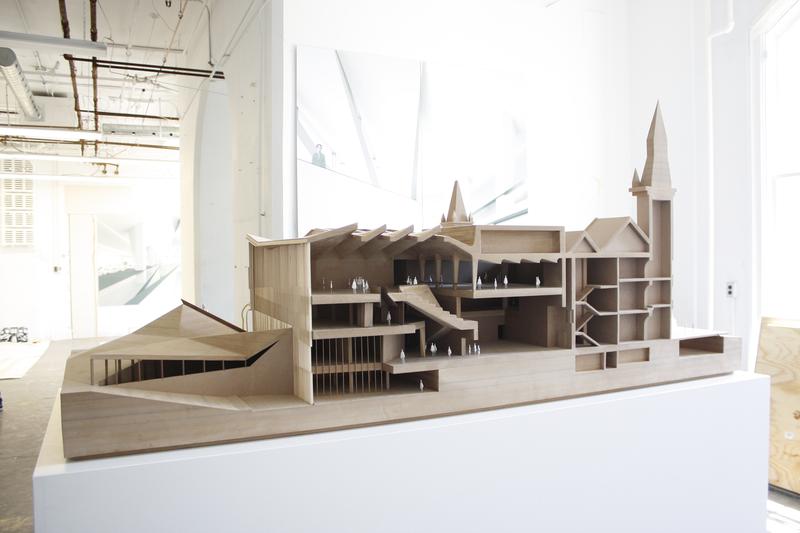
खण्ड मोडेलको शक्ति बुझ्ने सबैभन्दा राम्रो तरिका यसलाई कार्यमा हेर्नु हो. विशेष डिजाइन चुनौतिहरू समाधान गर्न र आकर्षक वास्तुकला विचारहरू सञ्चार गर्न कसरी प्रयोग गरियो भनेर हेर्नको लागि धेरै वास्तविक-विश्व उदाहरणहरू अन्वेषण गरौं।.
मुद्दा शिक्षा 1: भूमिगत जटिलता प्रकट गर्दै - डोंगबु भवन, सियोल
- चुनौती: यो व्यावसायिक परियोजना एक अभिनव चित्रित, बहु-स्तरीय भूमिगत ठाउँ जसले खुद्रा एकीकृत गर्दछ, व्यापार, र पार्किंग. डिजाइनको चमक जमिन मुनि लुकेको थियो.
- खण्ड मोडेलको भूमिका: मोडेल यस भूमिगत संसारलाई प्रदर्शन गर्न डिजाइन गरिएको थियो. पूर्ण खण्ड कटले विभिन्न स्तरहरू बीचको जटिल ठाडो जडानहरू प्रकट गर्यो. नरम प्रयोग गरेर, यी भूमिगत खाली ठाउँहरूमा न्यानो प्रकाश, मोडेलले यो मुख्य विशेषतामा दर्शकको ध्यान खिच्यो, यसलाई लुकेको तत्वबाट शोको तारामा परिणत गर्दै.
मुद्दा शिक्षा 2: संचार रूपान्तरण - PMQ, हङकङ
- चुनौती: यस परियोजनाले ऐतिहासिक प्रहरी क्वार्टरलाई आधुनिक बनाउन समावेश गरेको छ, जीवन्त रचनात्मक हब. लक्ष्य पुरानो देखि नयाँ यो नाटकीय रूपान्तरण संचार गर्न थियो.
- खण्ड मोडेलको भूमिका: मोडेल निर्माताहरूले एकल सिर्जना गरे, शक्तिशाली मोडेल जसले अद्वितीय रूपमा प्रदर्शन गर्दछ “पहिले र पछि” दृश्य. खण्डको एक भागले पुरानो देखाएको छ, खैरो, पुरानो पर्खालहरू, जबकि अर्को भाग सफामा ट्रान्जिसन भयो, सेतो, पुनर्निर्मित ठाउँहरू. कथा पूरा गर्न, नयाँ ठाउँहरू स-साना भरिएका थिए, रंगीन, रचनात्मक गतिविधिहरूमा संलग्न व्यक्तिहरूको विस्तृत आंकडा, भवनको नयाँ उद्देश्यलाई जीवनमा ल्याउँदै.
मुद्दा शिक्षा 3: जटिल आन्तरिकहरू प्रदर्शन गर्दै - Xiqu केन्द्र, हङकङ
- चुनौती: चिनियाँ ओपेराका लागि यो सात तले प्रदर्शन कला केन्द्रको भित्री भाग निकै जटिल थियो, एक भव्य थिएटर र ठूलो संग, भवन भित्र ओपन-एयर आँगन.
- खण्ड मोडेलको भूमिका: बीचमा काटिएको मानकले यी मुख्य सुविधाहरू मार्फत काटेको हुन्छ. बदलामा, मोडेल निर्माताहरूले रणनीतिक प्रयोग गरे, अफसेट खण्ड काटियो. यसले दर्शकहरूलाई भव्य थिएटर र आँगनलाई पूर्ण रूपमा हेर्न अनुमति दियो, तिनीहरूको पूर्ण स्केल र विवरणको प्रशंसा गर्दै, अझै पनि बुझ्दै गर्दा तिनीहरू समग्र भवन संरचना भित्र कसरी फिट हुन्छन्.
मुद्दा शिक्षा 4: विशाल स्केल क्याप्चर गर्दै - हप्किन्स एयरपोर्ट, दुबई
- चुनौती: कसरी बृद्धि गर्ने, ठूलो एयरपोर्ट टर्मिनलको बढ्दो ठाउँ र यसले काम गर्ने मानव-स्तरीय विवरणहरू पनि देखाउँछ?
- खण्ड मोडेलको भूमिका: ठूलो मात्रामा सिर्जना गरियो 1:50 स्केल, यो मोडेल दुवै हासिल. छत संरचना को विशालता तुरुन्तै स्पष्ट थियो, तर खण्ड कटले दर्शकहरूलाई हलचल भित्रको भित्री भागमा हेर्न अनुमति दियो. मोडेलले अविश्वसनीय विवरणहरू समावेश गर्दछ, पसलहरूमा ब्रान्ड decals देखि साना मानव आंकडा सम्म, एक यथार्थपरक एयरपोर्ट वातावरण सिर्जना र मापन को एक साँचो अर्थ दिँदै.
मुद्दा शिक्षा 5: अन्तरक्रिया सक्षम गर्दै - सिएटल मा पुस्तकालय
- चुनौती: यस पुस्तकालयको डिजाइन न्यानोमा केन्द्रित छ, स्पर्श सामग्री र आमन्त्रित भित्री ठाउँहरू सिर्जना गर्दै. वास्तुकारले ग्राहकहरूलाई डिजाइनसँग गहिरो स्तरमा जडान गर्न चाहन्थे.
- खण्ड मोडेलको भूमिका: यो मोडेल अन्तरक्रियात्मक हुन डिजाइन गरिएको थियो. यसलाई खण्डहरूमा अलग गर्न सकिन्छ, दर्शकहरूलाई भौतिक रूपमा भवनको विभिन्न भागहरू समात्न र अन्वेषण गर्न अनुमति दिँदै. यस ह्यान्ड्स-अन दृष्टिकोणले मानिसहरूलाई बाहिरी ईंटको ढाँचा र काठको प्रभावशाली भित्री भागहरूको बनावटको कदर गर्न दिन्छ।, डिजाइनको धेरै बलियो र अधिक यादगार समझ सिर्जना गर्दै.
व्यावहारिकताहरू: चुनौतीहरू, समाधान, र लागत
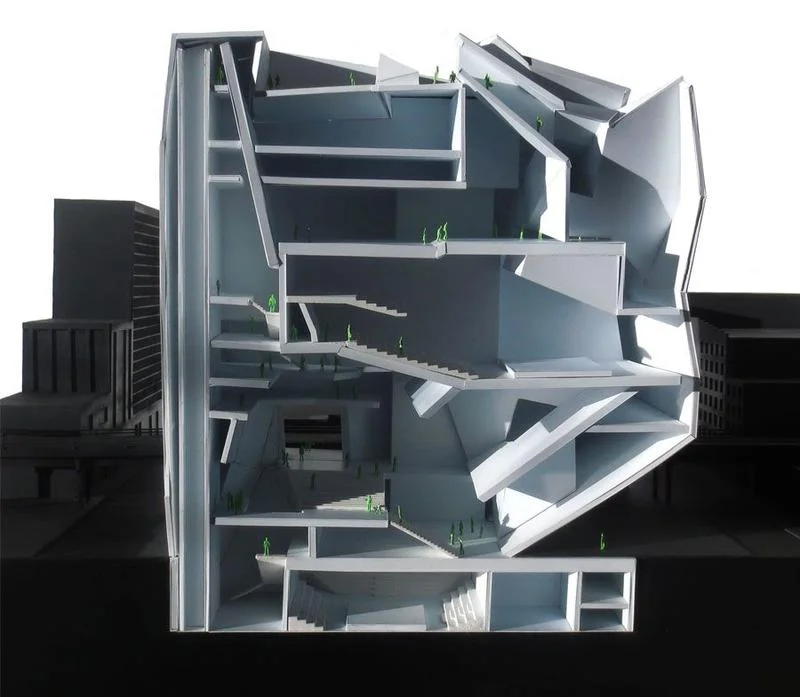
जबकि खण्ड मोडेलहरू अविश्वसनीय मूल्यवान छन्, तिनीहरूलाई सिर्जना गर्न चुनौतीहरूको एक अद्वितीय सेट संग आउँछ. यी व्यावहारिकताहरू बुझ्न वास्तुकारहरू र तिनीहरूका ग्राहकहरू दुवैका लागि महत्त्वपूर्ण छ.
मोडेल निर्माणमा साझा चुनौतीहरू
- सटीक स्केल र अनुपातहरू प्राप्त गर्दै: पूर्ण-आकारको भवनको आयामलाई परिशुद्धताका साथ सानो आकारको मोडेलमा अनुवाद गर्न ठूलो सीप चाहिन्छ।. सानातिना त्रुटिहरूले पनि स्थानिय सम्बन्धलाई बिगार्न सक्छ.
- जटिलता को प्रतिनिधित्व: घुमाउरो सतहहरू वा जटिल भित्री सुविधाहरू भएका अत्यधिक जटिल डिजाइनहरू भौतिक मोडेलमा सही रूपमा क्याप्चर गर्न अत्यन्तै गाह्रो र समय-खपत हुन सक्छ।.
- सही सामग्री छनोट गर्दै: बनावटलाई प्रभावकारी रूपमा प्रतिनिधित्व गर्ने सामग्रीहरू चयन गर्दै, समाप्त हुन्छ, र वास्तविक भवनको पारदर्शिता एक कला हो. गलत छनौटले मोडेलको यथार्थवादलाई कमजोर बनाउन सक्छ.
- समय र लागत व्यवस्थापन: उच्च गुणस्तर, विस्तृत खण्ड मोडेल श्रम-गहन छन्. समय र लागत संलग्न हुन सक्छ, विशेष गरी ठूला र जटिल परियोजनाहरूको लागि.
कसरी आर्किटेक्टहरूले यी चुनौतीहरूलाई सम्बोधन गर्न सक्छन्
- प्राथमिकता र सरलीकरण गर्नुहोस्: राम्रो मोडेलले सबै कुरा देखाउन आवश्यक छैन. आर्किटेक्टहरू प्राय: मुख्य डिजाइन तत्वहरूलाई प्रतिनिधित्व गर्ने कुरामा ध्यान केन्द्रित गर्छन् जसले मूल विचारलाई सञ्चार गर्दछ, मोडेललाई स्पष्ट र व्यवस्थित राख्न कम महत्त्वपूर्ण क्षेत्रहरूलाई सरल बनाउँदै.
- संचार बृद्धि गर्न भिजुअल संकेतहरू प्रयोग गर्नुहोस्: मोडेल एनोटेशन संग बृद्धि गर्न सकिन्छ, रंग-कोडिङ सामग्री फरक गर्न, वा विशिष्ट सुविधाहरू हाइलाइट गर्न एकीकृत प्रकाश. यसले मोडेललाई स्पष्ट कथा बताउन मद्दत गर्दछ.
- अन्य मिडिया संग मोडेल पूरक: प्रतिनिधित्वका अन्य रूपहरूसँगै प्रयोग गर्दा भौतिक मोडेल सबैभन्दा शक्तिशाली हुन्छ. 2D रेखाचित्र संग मोडेल संयोजन, डिजिटल रेन्डरिङ, र मौखिक व्याख्याले कुनै पनि एकल माध्यमको सीमितताहरू पार गर्ने व्यापक समझ प्रदान गर्दछ।.
घरको खण्ड मोडेलको लागत कति हुन्छ?
यो आम र महत्वपूर्ण प्रश्न हो. लागत व्यापक रूपमा भिन्न हुन सक्छ, तर घरको भौतिक खण्ड मोडेलको लागि एक विशिष्ट दायरा हो $500 तिर $5,000, र कहिलेकाहीँ थप. अन्तिम मूल्य धेरै मुख्य कारकहरूमा निर्भर गर्दछ:
- आकार र जटिलता: एक ठूलो, थप जटिल घर डिजाइन स्वाभाविक रूपमा अधिक समय र सामग्री चाहिन्छ, उच्च लागत को लागी अग्रणी.
- विवरणको स्तर: एक साधारण मासिंग मोडेल एक उच्च विस्तृत मोडेल भन्दा धेरै सस्तो हुनेछ जसमा भित्री फर्नीचर समावेश छ, ल्यान्डडा, र यथार्थवादी सामग्री समाप्त.
- सामग्री प्रयोग गरियो: फोम बोर्ड र गत्ता जस्ता आधारभूत सामग्रीहरू सस्तो छन्, जबकि उच्च गुणस्तरको काठ, एक्रिलिक्स, र धातुहरूले लागत बढाउनेछन्.
- निर्माण विधि: थ्रीडी प्रिन्टिङ वा लेजर काट्ने जस्ता उन्नत प्रविधिहरूमा उच्च प्रारम्भिक सेटअप लागत हुन सक्छ तर कहिलेकाहीं विशुद्ध हस्तशिल्प विधिहरूको तुलनामा श्रम समय घटाउन सक्छ।.
मानव तत्व: जसले खण्ड मोडेलहरू सिर्जना गर्दछ?
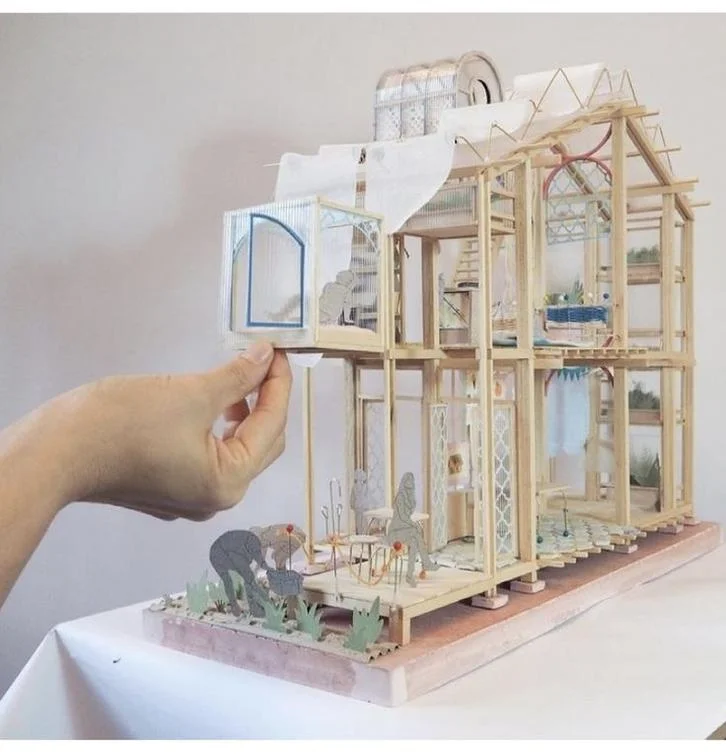
जबकि वास्तुकारहरूले भवनहरू डिजाइन गर्छन्, उच्च गुणस्तरको भौतिक खण्ड मोडेल सिर्जना गर्नु एक विशेष शिल्प हो एउटी व्यावसायिक मोडेल निर्माता वा एक भौतिक मोडेल विशेषज्ञले प्राय: कार्य गर्दछ. यी एक अद्वितीय र बहुमूल्य कौशलसेट भएका कारीगरहरू हुन्.
एक कुशल मोडेल निर्माता एक अनुवादक हो. तिनीहरूले वास्तुकारको दुई-आयामी रेखाचित्रहरू र अमूर्त विचारहरू लिन्छन् र तिनीहरूलाई मूर्त रूपमा अनुवाद गर्छन्।, सबैले बुझ्न सक्ने त्रि-आयामी वस्तु. तिनीहरूको विशेषज्ञता दृष्टि र वास्तविकता बीचको खाडललाई कम गर्न महत्त्वपूर्ण छ.
एक पेशेवर मोडेल निर्माता को कौशलता समावेश छ:
- वास्तुकला रेखाचित्र को एक गहिरो समझ, स्केल, र निर्माण सिद्धान्तहरू.
- सामग्रीको विस्तृत दायरामा विशेषज्ञता र तिनीहरूसँग कसरी काम गर्ने.
- असाधारण हस्तशिल्प कौशल, यथार्थता, र विवरणमा ध्यान.
- थ्रीडी प्रिन्टिङ र लेजर काट्ने जस्ता आधुनिक डिजिटल फेब्रिकेशन प्रविधिहरूमा दक्षता, र तिनीहरूलाई परम्परागत प्रविधिहरूसँग एकीकृत गर्ने क्षमता.
यो एक उच्च सहयोगी प्रक्रिया हो. मोडेल निर्माताले निर्माण प्रक्रियामा वास्तु डिजाइन टोलीसँग नजिकबाट काम गर्दछ, सुनिश्चित गर्दै कि अन्तिम मोडेल मात्र सुन्दर ढंगले बनाइएको छैन तर कोर डिजाइनको उद्देश्यलाई सही र प्रभावकारी रूपमा सञ्चार गर्दछ।.
खण्ड मोडेलहरूको भविष्य: डिजिटल र अन्तरक्रियात्मक क्षितिज
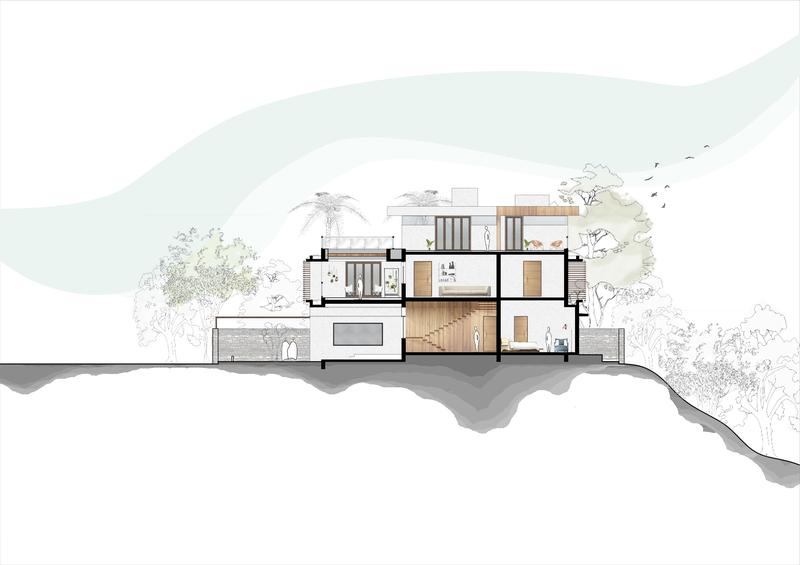
खण्ड मोडेल विगतको अवशेष होइन; यो एक अवधारणा हो जुन टेक्नोलोजी संग लगातार विकसित भइरहेको छ. भविष्य भौतिक र डिजिटलको मिश्रण हो, आर्किटेक्चरल डिजाइन अनुभव गर्न अझ शक्तिशाली र इमर्सिभ तरिकाहरू सिर्जना गर्दै.
- डिजिटल संवर्द्धन: आफ्नो ट्याब्लेटलाई भौतिक खण्ड मोडेलमा देखाउने कल्पना गर्नुहोस्. मार्फत अप्रत्यक्ष वास्तविकता (पालन चढ्ने), तपाईंले भवनको लुकेका प्रणालीहरूको डिजिटल ओभरलेहरू देख्न सक्नुहुन्छ, जस्तै प्लम्बिङ वा बिजुलीको तार.
- असीर्स अनुभवहरू: संग भर्चुअल वास्तविकता (मूसो), तपाईं एक कदम अगाडि जान सक्नुहुन्छ. तपाईं डिजिटल सेक्सन मोडेल लिन सक्नुहुन्छ र “भित्र पस्नु,” तिनीहरूको स्केलको वास्तविक अर्थ प्राप्त गर्नको लागि तपाईलाई खाली ठाउँहरू मार्फत हिंड्न अनुमति दिँदै, प्रकाश, र एउटै इट्टा राख्नु अघि वातावरण.
- अन्तरक्रियात्मक सुविधाहरू: भौतिक मोडेलहरू आफैं थप गतिशील हुँदैछन्. तिनीहरू अब प्राय: एकीकृत समावेश गर्दछ, रिमोट-नियन्त्रित प्रकाश प्रणाली, भागहरू चल्दै, र मोड्युलर, हटाउन सकिने खण्डहरू जसले दर्शकहरूलाई थप ह्यान्ड-अनमा डिजाइनमा संलग्न हुन र अन्वेषण गर्न आमन्त्रित गर्दछ, स्मरणीय तरिका.
यी अविश्वसनीय डिजिटल प्रगतिहरूको बावजुद, सरल, राम्रोसँग शिल्प गरिएको भौतिक मोडेलको मूर्त शक्ति टिक्छ. त्यहाँ एक साझा भौतिक वस्तुमा एक अद्वितीय मूल्य छ जुन एक टोली छलफल गर्न वरपर भेला हुन सक्छ, बहस, र सँगै डिजाइन परिष्कृत गर्नुहोस्.
निष्कर्ष: अन्तर्दृष्टि र प्रेरणा को लागी एक उपकरण
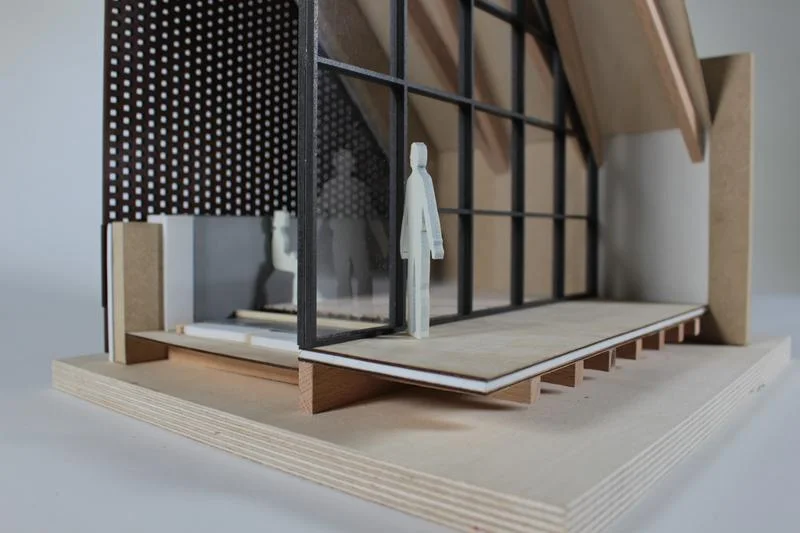
आर्किटेक्चरल सेक्शन मोडेल केवल एक लघु भवन भन्दा धेरै छ. यो विश्लेषणको लागि गहिरो उपकरण हो, संचार को लागी एक अपरिहार्य उपकरण, र डिजाइन प्रेरणाको गहिरो स्रोत. यसले दुई-आयामी रेखाचित्रको अमूर्त संसार र वास्तविक संसार बीचको खाडललाई राम्रोसँग पुल गर्दछ।, भवनको त्रि-आयामिक अनुभव.
चाहे यो काठ र फोमबाट हातले सावधानीपूर्वक बनाइएको हो, वा डिजिटल रूपमा उत्पन्न र भर्चुअल वास्तविकतामा अन्वेषण, खण्ड मोडेलको मौलिक उद्देश्य अपरिवर्तित रहन्छ: यसको हृदय प्रकट गर्न डिजाइनको बाहिरी छाला मार्फत टुक्रा गर्न, यसको संरचना, र यसको आत्मा. खण्ड मोडेलको कला र विज्ञानमा निपुण हुनु कुनै पनि वास्तुकारको लागि आवश्यक सीप हो जसले स्पष्टताका साथ डिजाइन गर्ने लक्ष्य राख्छ।, आत्मविश्वास संग निर्माण, र प्रभाव संग संचार.
तपाईंको वास्तुकला दृष्टिलाई जीवनमा ल्याउनुहोस्.
एक शक्तिशाली खण्ड मोडेलले तपाइँको डिजाइन संचार मा सबै फरक बनाउन सक्छ. यदि तपाइँ तपाइँको अर्को परियोजना को लागी एक आश्चर्यजनक भौतिक वा डिजिटल मोडेल सिर्जना गर्न खोज्दै हुनुहुन्छ, आज हाम्रो विशेषज्ञ मोडेल निर्माताहरू र दृश्य विशेषज्ञहरूको टोलीलाई सम्पर्क गर्नुहोस्.
बारम्बार सोधिने प्रश्नहरू (सूत्र)
Q1: मानक वास्तुकारको उद्धरणमा समावेश गरिएको भौतिक खण्ड मोडेल हो?
एउटी: सामान्यतया, छैन. एक मानक वास्तुकला उद्धरणले रेखाचित्र र परियोजना व्यवस्थापन जस्ता व्यावसायिक डिजाइन सेवाहरू समावेश गर्दछ. भौतिक मोडेल सिर्जना गर्न एक अतिरिक्त सेवा मानिन्छ किनभने यो विशेष श्रम आवश्यक छ, सामग्री, र महत्त्वपूर्ण समय. ग्राहक द्वारा अनुरोध गरेमा यो सामान्यतया अलग उद्धृत गरिन्छ.
Q2: पोर्टफोलियोमा सेक्सन मोडेलहरू समावेश गर्दा वास्तुकारलाई मद्दत गर्दछ?
एउटी: हुन्छ, बिल्कुल. यसले वास्तुकारको पोर्टफोलियोलाई उल्लेखनीय रूपमा समृद्ध बनाउँछ. यसले उनीहरूको तीन आयामहरूमा सोच्ने र सञ्चार गर्ने क्षमता देखाउँछ र अन्तरिक्षको परिष्कृत समझ देखाउँछ।, संरचना, र सूचका. यो सम्भावित ग्राहकहरु को लागी अत्यधिक प्रभावशाली छ, रोजगारदाताहरू, र शैक्षिक संस्थाहरू.
Q3: डिजिटल माथि भौतिक खण्ड मोडेलको मुख्य फाइदा के हो?
एउटी: मुख्य फाइदा यसको मूर्त उपस्थिति हो. भौतिक मोडेल एक साझा वस्तु हो जुन मानिसहरूको समूह वरिपरि भेला हुन सक्छ, इंगित गर्नुहोस्, र बैठकमा छलफल. यो प्रत्यक्ष, स्पर्शात्मक अन्तरक्रियाले स्क्रिनमा हेर्नु भन्दा फरक र कहिलेकाँही बढी प्रभावकारी प्रकारको सहयोगी संवादलाई बढावा दिन सक्छ।.
Q4: खण्ड रेखाचित्र सिर्जना गर्ने पहिलो चरण के हो?
एउटी: पहिलो र सबैभन्दा महत्त्वपूर्ण कदम आफ्नो छनौट गर्न हो “लाइन काट्नुहोस्।” तपाईंले भवनको माध्यमबाट कहाँ टुक्रा गर्ने बारे रणनीतिक रूपमा सोच्नु पर्छ. लक्ष्य भनेको एउटा बाटो छनोट गर्नु हो जसले तपाईंको डिजाइनको मुख्य स्थानहरू र संरचनात्मक तत्वहरू बीचको सबैभन्दा महत्त्वपूर्ण र जानकारीमूलक सम्बन्धहरू प्रकट गर्दछ।.
Q5: खण्ड मोडेलको लागि उत्तम स्केल के हो?
एउटी: त्यहाँ एकल छैन “सबभन्दा रामो” स्केल; यो सधैं मोडेल को उद्देश्य मा निर्भर गर्दछ. ठूलो भवन भित्र समग्र सम्बन्ध देखाउनको लागि, सानो स्केल जस्तै 1:100 अथवा 1:200 अक्सर प्रभावकारी छ. विस्तृत निर्माण देखाउनको लागि, आन्तरिक डिजाइन तत्वहरू, वा भौतिक जंक्शनहरू, जस्तै ठूलो स्केल 1:50, 1:25, वा पनि 1:10 बढी उपयुक्त छ.