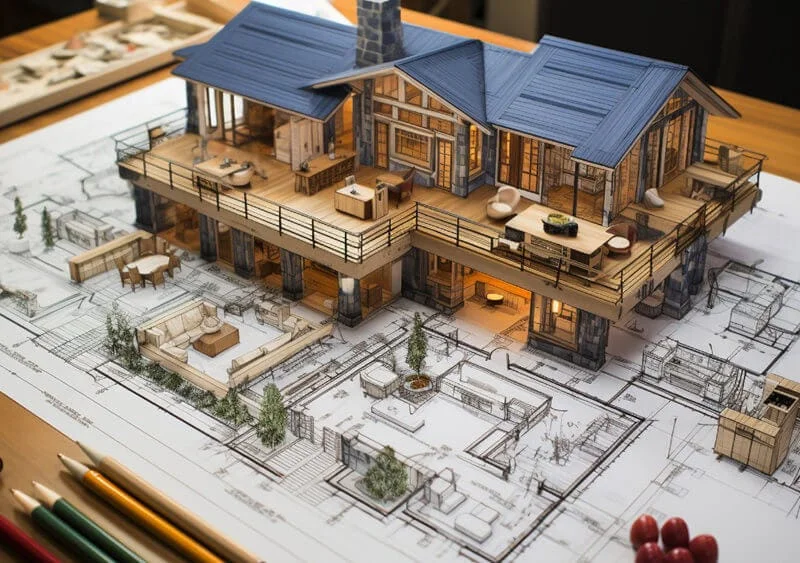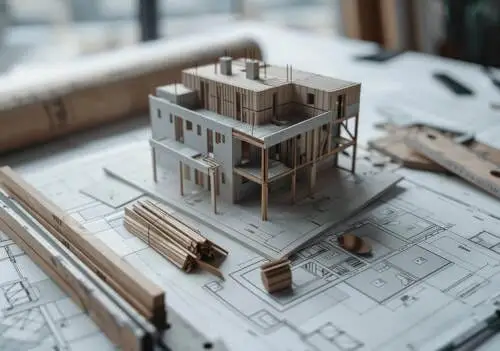
In today’s architectural world, where computer screens are filled with detailed 3D renderings, you might think handcrafted scale models are a thing of the past. Surprisingly, these miniature buildings are still very much alive in many architects’ Studia. Dlaczego? Because even with all the fancy technology, physical models offer something special that computers just can’t match. They help architects think, projekt, and communicate their ideas in a unique way.
Przez wieki, architects have used models to bring their designs to life. Think of the detailed models created during the Renaissance! Dzisiaj, these scaled-down versions of buildings, pejzaże miejskie, or even interior spaces continue to be a critical part of the design process. They’re not just pretty objects; they’re powerful tools that help architects refine their designs, explain them to clients, and even secure funding for projects. Let’s explore why these miniature marvels remain so important in the field of architecture.
Spis treści

The Fundamental Importance of Scale Models for Architects
Why do architects use scale models?
Bridging the Gap Between Concept and Reality
Imagine trying to understand a complex building design just from blueprints. To trudne! Scale models bring those flat drawings to life. Architects use models as a way to step into their designs, moving from abstract ideas to a tangible object they can hold, zbadać, and modify. As Beth Mills, Modelshop Director at Squire & Wzmacniacz, puts it:“We call ourselves the modelshop, but we’re more of a maker space, a fully-functioning workshop, While we do make architectural and scale models, we can do anything from prototyping door handles and window installations to bespoke furniture for Squire & Partners’ interiors team.”This quote shows how models help bridge the gap between conceptual ideas and the physical reality of construction.
Enhanced Visualization and Spatial Understanding
Models don’t just show what a building will look like; they help architects *feel* the space. By holding and rotating a model, architects get a real sense of a building’s size, proporcje, and how different parts relate to each other. They can see how sunlight might enter a room or how a staircase connects different levels.- Intuitive Understanding of Scale: A model instantly conveys the size and scale of a project in a way that drawings can’t. You immediately grasp how big a room is or how tall a building will be.
- Experiencing Space in Three Dimensions: Unlike a flat screen, a model lets you walk around the design, seeing it from different angles and perspectives. This helps architects understand how people will move through and experience the space.
- Visualizing Light and Shadow: Architects can place a model under a lamp or take it outside to see how natural light will interact with the building at different times of the day. This helps them make decisions about window placement and shading devices.
Facilitating Design Development and Refinement
Models aren’t just for show; they’re working tools. Architects use them to try out different design ideas, quickly testing variations and seeing the results in three dimensions. This hands-on approach often leads to unexpected discoveries and improvements.- Experimentation and Iteration: It’s easy to make changes to a physical model. Architects can swap out parts, add new elements, or adjust proportions, quickly exploring different design options.
- Identifying Design Flaws: Building a model often reveals problems that weren’t obvious on paper or screen. An architect might discover that a corridor is too narrow or that a roofline doesn’t quite work. These discoveries can be made early in the design process, saving time and money later on.
- Rozwiązywanie problemów: The act of building a model forces architects to think through the construction process. They have to figure out how different parts fit together, which can lead to more practical and buildable designs.
A Powerful Tool for Communication and Collaboration
Explaining a complex design to someone who isn’t an architect can be challenging. Scale models make it much easier. They provide a common visual language that everyone can understand, from clients to construction workers.- Prezentacje klientów: A well-crafted model can be incredibly persuasive. Clients can see and touch the design, making it feel more real and exciting. As one architect’s client said, “Jest coś w trzymaniu modelu w dłoni. Nie musisz niczego wyjaśniać. Po prostu to rozumiesz.”
- Współpraca zespołowa: Models help architects, inżynierowie, and other consultants work together more effectively. They provide a shared reference point for discussions, upewniając się, że wszyscy są na tej samej stronie.
- Zaangażowanie publiczne: For large projects, models can be used to show the public what’s being planned. This helps people understand the project’s impact on their community and can generate support.
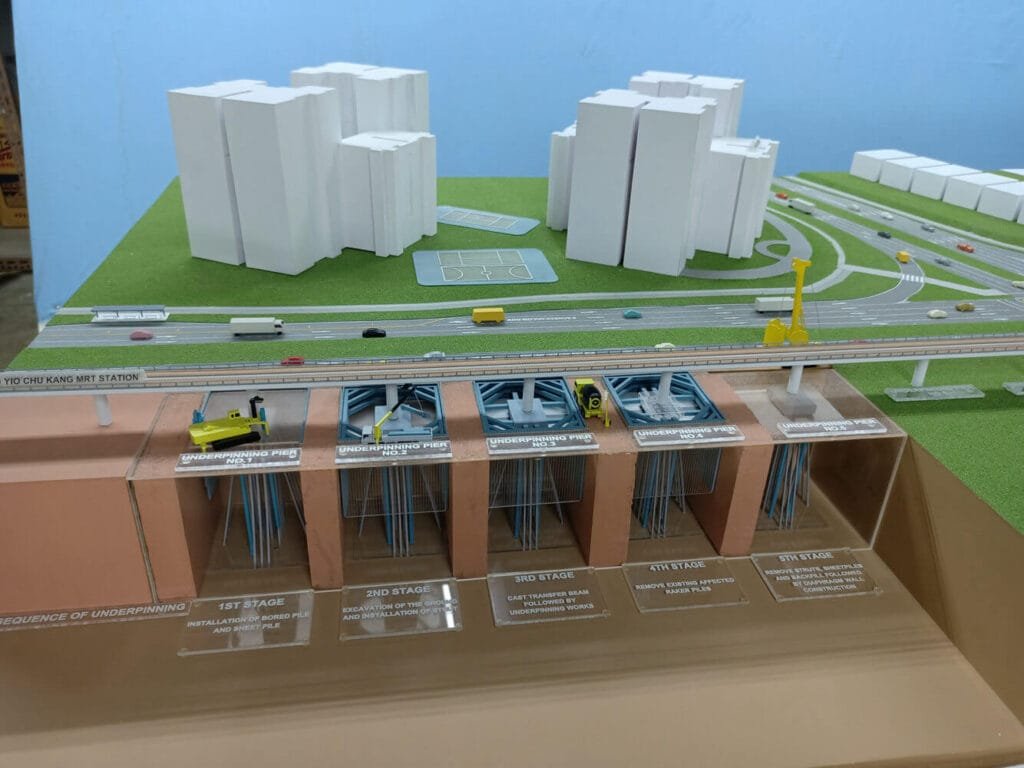
Types of Scale Models and Their Applications
What are the main types of scale models used in architecture?
Modele koncepcyjne lub bryłowe
These are the first models an architect might build. They’re like the rough sketches of the modeling world. Made quickly from simple materials like cardboard or foam, they explore the basic shape, rozmiar, and arrangement of a building.- Zamiar: To quickly test out different ideas and see how they look in three dimensions.
- Charakterystyka: Prosty, abstrakcyjny, and often lacking in detail.
- Przybory: Karton, piana, drewno balsowe.
Modele pracy lub nauki
As the design develops, architects build more detailed models to study specific aspects of the project. These models help them refine the design, figure out structural details, and solve problems.- Zamiar: To analyze and refine the design, testować techniki konstrukcyjne, and resolve design challenges.
- Charakterystyka: Bardziej szczegółowe niż modele bryłowe, may include structural elements and some interior features.
- Przybory: Płyta piankowa, drewno, plastikowy, 3D printed parts.
Modele prezentacji
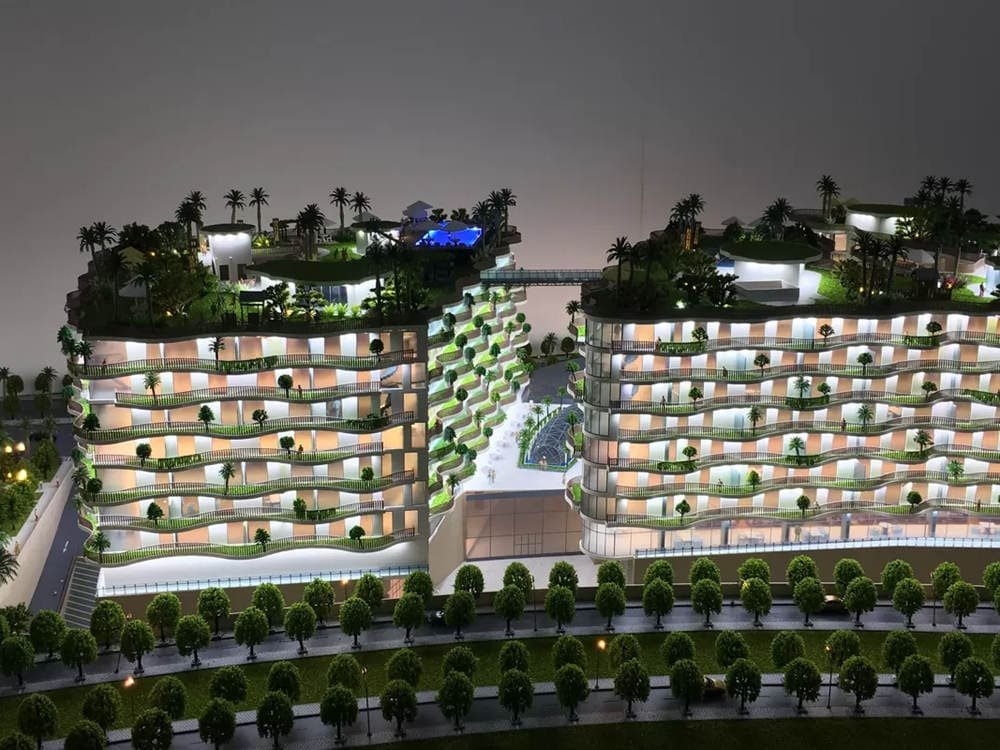
To są perełki widowisk. Built to impress clients, inwestorzy, lub społeczeństwo, these models are highly detailed and realistic. They often include landscaping, tiny people, and even working lights.- Zamiar: To showcase the final design in a compelling and persuasive way.
- Charakterystyka: Bardzo szczegółowe, realistyczny, often includes landscaping, oświetlenie, and miniature figures.
- Przybory: High-quality materials like wood, akryl, metal, and 3D printed components.
Modele szczegółowe
Czasami, architects need to focus on a particular part of a building, like a complex facade or an intricate interior space. Detail models are built at a larger scale to examine these elements closely.- Zamiar: To study and refine specific design features, such as a unique window design or a complex roof structure.
- Charakterystyka: Larger scale, Bardzo szczegółowe, focused on a specific part of the building.
- Przybory: Drewno, plastikowy, metal, 3D printed parts.
Modele miejskie lub terenowe
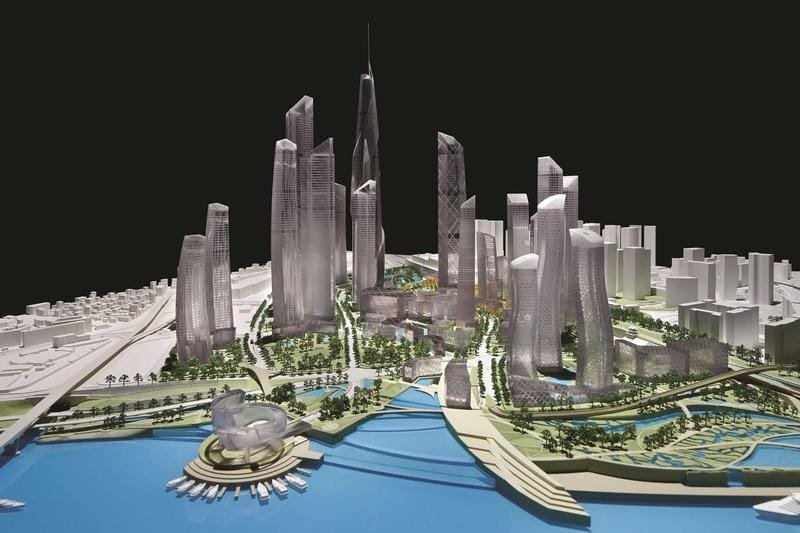
These models show how a building or development fits into its surroundings. They’re especially useful for large projects or when the relationship between the building and its environment is critical.- Zamiar: To visualize the project in its context, understand its impact on the surrounding area, and plan for site development.
- Charakterystyka: Can range from simple block models to highly detailed representations of the site and surrounding buildings.
- Przybory: Karton, piana, drewno, plastikowy, 3D printed parts.
Modele wnętrz
These models focus on the inside of a building, showing the layout of rooms, meble, i kończy. They help clients understand the interior design and make decisions about materials and furnishings.- Zamiar: To visualize and refine the interior design of a building.
- Charakterystyka: Detailed representations of interior spaces, often including furniture, oprawy, i kończy.
- Przybory: Drewno, plastikowy, tkanina, 3D printed parts.
Modele hybrydowe
These models combine the best of both physical and digital worlds. Na przykład, a physical model might have digital projections mapped onto it, or it might be integrated with augmented reality (Ar) technologia.- Zamiar: To create interactive and engaging presentations that combine the tangibility of a physical model with the flexibility of digital information.
- Charakterystyka: Combine physical model components with digital projections, Nakładki AR, or other interactive technologies.
- Przybory: Traditional model-making materials combined with digital displays and projection systems.
The Materials and Craft of Model Making
What materials are used to build architectural scale models?
Tradycyjne materiały:
Model makers have a wide array of materials to choose from, each with its own unique properties and uses. Here’s a look at some of the most common ones:| Tworzywo | Opis | Zalety | Wady | Powszechne zastosowania |
|---|---|---|---|---|
| Karton | A paper-based material made from layers of paper pulp. | Niedrogi, lekki, easy to cut and shape. | Not very durable, susceptible to moisture damage. | Modele koncepcyjne, badania masowe, temporary models. |
| Płyta piankowa | A lightweight material consisting of a polystyrene foam core sandwiched between layers of paper or plastic. | Lekki, easy to cut and shape, relatively inexpensive, provides a smooth surface. | Can be easily dented or damaged, not as durable as other materials. | Modele bryłowe, study models, modele prezentacji. |
| Drewno | A natural material that can be cut, carved, and shaped into various forms. (Balsa, basswood are commonly used) | Mocny, wytrzymały, Można je szlifować i malować w celu uzyskania różnych wykończeń, estetycznie przyjemne. | Może być droższy niż inne materiały, wymaga większych umiejętności do pracy. | Modele prezentacji, szczegółowe modele, modele wymagające wysokiego poziomu wykonania. |
| Plastikowy | Materiał syntetyczny, który można formować, wytłaczane, lub odlewane w różne kształty. (Styren, akryl są powszechne) | Wytrzymały, wodoodporny, może być przezroczysty lub nieprzezroczysty, dostępne w różnych kolorach i fakturach. | Może być trudniejszy w cięciu i kształtowaniu niż inne materiały, może wymagać specjalistycznych klejów. | Modele prezentacji, szczegółowe modele, modele wymagające przezroczystości lub określonego wykończenia powierzchni. |
| Glina | Naturalny, materiał ziemny, który można formować i kształtować po zamoczeniu i utwardzić przez suszenie lub wypalanie. | Łatwo formowalny, można używać do tworzenia organicznych kształtów i tekstur, niedrogi. | Może być delikatny po wyschnięciu, wymaga umiejętności pracy. | Modele koncepcyjne, study models, rzeźbienie detali. |
| Metal | Silny, trwały materiał, który można ciąć, zgięty, i spawane w różne formy. | Niezwykle trwały, można wykorzystać do tworzenia skomplikowanych szczegółów, estetycznie przyjemne. | Może być drogie, wymaga specjalistycznych narzędzi i umiejętności do pracy. | Modele szczegółowe, elementy strukturalne, modele wymagające dużej precyzji i trwałości. |
The Role of Adhesives and Finishing Techniques
Building a model is not just about cutting and shaping materials; it’s also about joining them together securely and adding the finishing touches that bring the model to life.- Kleje: Wybór odpowiedniego kleju jest kluczowy.
- Klej PVA: A good all-around choice for paper, karton, i drewno. It dries clear and is relatively strong.
- Superklej (Cyanoacrylate): Ideal for bonding plastics and metals. It creates a very strong bond almost instantly but can be brittle.
- Kleje w sprayu: Useful for attaching large, flat surfaces, like applying a paper facade to a foam board backing.
- Gorący klej: Quick and easy for temporary bonds or for attaching lightweight elements.
- Finishing Techniques: These make a model look polished and professional.
- Szlifowanie: Smoothing rough edges and creating seamless joints.
- Malarstwo: Adding color and realism to the model. Different types of paint (akryle, emalie) are used depending on the material being painted.
- Teksturowanie: Creating realistic surfaces like brickwork, Beton, or vegetation using specialized paints, powders, lub inne materiały.
- Zwietrzenie: Making a model look aged or worn, which can be useful for historical projects or to add a sense of realism.
What tools are used in architectural model making?
Narzędzia tnące
Precision cutting is fundamental to model making. Architects and model makers use a variety of tools to achieve clean, accurate cuts:- Noże rzemieślnicze: These are the workhorses of model making, used for cutting paper, karton, płyta piankowa, and thin plastics. They come with replaceable blades to maintain sharpness.
- Skalpele: Used for very fine and detailed work, such as cutting out small windows or intricate patterns.
- Nożyczki: Useful for cutting paper and thin materials.
- Maty do cięcia: Self-healing mats protect the work surface and provide a stable base for cutting. They also help preserve the sharpness of blades.
Narzędzia pomiarowe
Accurate measurements are essential for ensuring that the model is correctly scaled and proportioned.- Władcy: Metal rulers are preferred for their durability and straight edges.
- Ustaw kwadraty: Służy do rysowania i pomiaru kątów prostych.
- Kompasy: Służy do rysowania okręgów i łuków.
- Kątomierze: Służy do pomiaru i rysowania kątów.
- Cyfrowe zaciski: For precise measurements of small parts and thicknesses.
Advanced Tools:
Technologia zrewolucjonizowała modelarstwo, introducing tools that offer greater precision and efficiency.- Cięcie laserowe: This technology uses a laser beam to cut intricate designs into a variety of materials, w tym drewno, akryl, i karton.
- Zalety: Highly precise, can create very detailed and complex shapes, fast and efficient.
- Uses: Cutting facades, creating intricate patterns, cutting multiple identical parts.
- Tworzywo: Sklejka, Trotec Laser offers a range of laser-cuttable acrylic sheets.
- 3D drukowanie: This technology builds up objects layer by layer from a digital file.
- Zalety: Can create complex and organic shapes that would be difficult or impossible to make by hand, allows for rapid prototyping.
- Uses: Creating detailed building components, printing custom parts, making complex massing models.
- Przybory: Various types of plastics (Pla, ABS, PETG), resins, and even metals. You can find a wide selection of 3D printing filaments at MatterHackers.
Fizyczne vs. Modele cyfrowe: Understanding the Advantages
Why are physical scale models still relevant in the age of digital design?
The Tangible Difference: Tactility and Spatial Intuition
There’s something special about holding a physical object in your hands. It engages your senses in a way that a computer screen can’t.- Doświadczenie dotykowe: Touching and manipulating a physical model gives you a direct, intuitive understanding of the design. You can feel the weight of the building, the texture of the materials, and the relationships between different parts.
“Ręka, we współpracy z umysłem, remains a powerful tool for creation and understanding.”
- Spatial Intuition: By moving around a physical model, you get a much better sense of the building’s scale and how different spaces relate to each other. This is something that even the best virtual reality experiences struggle to replicate.
Enhanced Client Engagement and Communication
Physical models can be incredibly effective tools for communicating with clients, especially those who aren’t used to reading architectural drawings.- Wizualna klarowność: A model provides a clear, unambiguous representation of the design that anyone can understand.
- Połączenie emocjonalne: Seeing and touching a physical model can create a stronger emotional connection to the project, making clients more invested in the design.
- Feedback and Collaboration: Models facilitate more productive conversations with clients. They can point to specific areas, zadawać pytania, and suggest changes in a very direct way.
A Different Kind of Creativity: The Value of “Making”
The process of building a physical model is a creative act in itself. It’s a different kind of creativity than what you get from working on a computer.- Hands-On Exploration: Working with physical materials forces you to think differently about the design. You have to consider how things will be built, not just how they look on a screen.
“There’s a speed and intuitiveness to creating a massing model, making it easier to explore various design solutions. A ‘wrong’ model can often tell you as much as a ‘right’ one.”
- Unexpected Discoveries: The process of making can lead to happy accidents and new ideas that you might not have come up with otherwise.
Beyond the Screen: Real-World Considerations
Physical models can help architects study aspects of a design that are difficult to simulate accurately on a computer.- Natural Light Studies: By placing a model under a light source, architects can see how sunlight will enter the building and how shadows will be cast at different times of day.
- Materialność: While digital models can simulate materials, they can’t fully replicate the way real materials look and feel in different lighting conditions.

The Impact of Technology on Architectural Model Making
How are technologies like 3D printing and laser cutting used in model making?
Wykonanie cyfrowe: Prędkość, Precyzja, and Complexity
Digital fabrication tools are revolutionizing the way models are built. They allow for levels of detail and complexity that would be incredibly difficult to achieve by hand.- 3D drukowanie:
- Szybkie prototypowanie: Architects can quickly print out different versions of a design to test and compare them.
- Complex Shapes: 3D printing can create organic and intricate shapes that would be very challenging to make using traditional methods.
- Custom Parts: Architects can design and print unique components tailored to a specific project.
- Przybory: Common 3D printing materials for architectural models include:
- Pla (Polylactic Acid): A biodegradable plastic that’s easy to print and comes in a variety of colors. It’s a good choice for general model making. (Source: All3DP)
- ABS (Akrylonitryl-butadien-styren): A stronger, more durable plastic that’s often used for functional parts. (Source: Stratasys)
- Żywica: Used in SLA and DLP printing, resin produces very high-resolution prints with fine details. It’s often used for presentation models. (Source: laboratoria formularzy)
- Cięcie laserowe:
- Precyzyjne cięcie: Laser cutters can cut extremely precise shapes and patterns into a variety of materials.
- Efektywność: They can quickly cut multiple identical parts, saving time and effort.
- Material Versatility: Laser cutters can be used on wood, akryl, karton, a nawet niektóre tkaniny.
- Przybory: Common laser cutting materials for architectural models include:
- Akryl: Often used for windows, fasady, and other transparent or translucent elements. (Source: Ponoko)
- Sklejka: A versatile material that can be used for structural elements, fasady, i kształtowanie krajobrazu. (Source: Inventables)
- Cardstock/Paper: Used for creating textured surfaces, roślinność, or intricate details. (Source: Cerulean Tides)
The Rise of Hybrid Models: Blending Physical and Digital
The most exciting developments in model making often involve combining physical and digital elements. This creates new possibilities for interaction and visualization.- Mapowanie projekcji: Projecting digital images onto a physical model can add color, tekstura, a nawet animacja. This can be used to show how a building’s facade might change with different lighting conditions or to display information about the project.
- Rzeczywistość rozszerzona (Ar): AR nakłada cyfrowe informacje na świat rzeczywisty. By using an AR app, you could view a physical model and see additional digital content, such as 3D animations, data visualizations, or interactive elements.
- Modele interaktywne: Some models incorporate sensors and electronics that allow them to respond to touch or other inputs. Na przykład, touching a particular part of a model might activate a light display or trigger a video on a nearby screen.
Rzeczywistość wirtualna i rozszerzona: New Dimensions of Visualization
VR and AR technologies are changing how we experience architectural designs, offering immersive and interactive ways to explore unbuilt spaces.- Rzeczywistość wirtualna (VR): VR creates a fully immersive digital environment. By wearing a VR headset, możesz “Przejdź” a digital model of a building, getting a sense of scale and space that’s difficult to achieve with traditional models or renderings.
- Rzeczywistość rozszerzona (Ar): AR overlays digital content onto the real world. You could use an AR app to view a digital model of a building superimposed on its actual construction site, allowing you to see how it will fit into its context.
The Future of Scale Models in Architecture
Will physical scale models become obsolete in the future?
The Enduring Value of Tangibility
In a world that’s becoming increasingly digital, there’s a growing appreciation for things we can touch and feel. Physical models offer a tangible connection to the design that digital models can’t match.- Połączenie emocjonalne: Holding a physical model in your hands can create a powerful emotional response. It’s a different experience than clicking through a digital rendering.
- Intuicyjne zrozumienie: The tactile experience of interacting with a model provides an intuitive understanding of the design that’s hard to replicate digitally.
Increased Integration with Digital Technologies
The future of model making is likely to involve even closer integration with digital tools. We’ll see more hybrid models that combine the best of both worlds.- Seamless Workflows: Architects will be able to move effortlessly between physical and digital models, using each for what it does best. Na przykład, they might 3D print a model from a digital design, then use that model for a client presentation, and later incorporate it into an AR experience.
- Enhanced Interactivity: Future models may incorporate more sophisticated sensors, elektronika, and digital displays, making them even more interactive and engaging.
A Focus on Sustainability
As the architecture and design industries become more environmentally conscious, model making will need to adapt.- Materiały przyjazne dla środowiska: We’ll likely see increased use of sustainable and recycled materials in model making, such as bamboo, korek, i biotworzywa.
- Bamboo Lab: Offers a range of bamboo products for various applications.
- Made of Air: Creates carbon-negative materials that can be used in construction and design.
- Responsible Digital Practices: Architects will need to be mindful of the environmental impact of digital tools, including the energy consumption of data centers and the e-waste generated by discarded hardware.
Continued Importance in Education, Komunikacja, and Innovation
Scale models will continue to be essential tools for teaching, sharing ideas, and pushing the boundaries of design.- Architectural Education: Models provide hands-on learning experiences for students, helping them develop spatial reasoning skills and an understanding of construction principles.
- Komunikacja z Klientem: They remain a powerful tool for explaining designs to clients and getting their buy-in.
- Zaangażowanie publiczne: For community projects, models can help the public understand and engage with new developments.
- Twórcze eksplorowanie: The act of building a model will continue to be a source of inspiration and innovation for architects.
Wniosek
Architectural scale models are far from being outdated relics. They are dynamic tools that continue to play a vital role in the design process. They help architects visualize, oczyścić, and communicate their ideas in a way that digital tools alone cannot. While technology is changing how models are made and used, the fundamental value of the physical model endures. Its ability to connect us to the design on a tangible, intuitive level ensures that it will remain an essential part of the architect’s toolkit for years to come.
The enduring appeal of scale models lies in their unique ability to bridge the gap between imagination and reality. They transform abstract concepts into tangible forms, enabling architects to explore, oczyścić, and communicate their designs with clarity and precision. Ponieważ technologia wciąż ewoluuje, the integration of physical and digital tools will undoubtedly reshape the landscape of architectural representation. Jednakże, the fundamental human desire for tactile experiences and the inherent value of hands-on creation suggest that scale models will continue to hold a special place in the world of architecture.
What are your thoughts on the role of scale models in architecture? Have you had experiences where a physical model helped you understand a design better? Podziel się swoimi przemyśleniami w komentarzach poniżej!