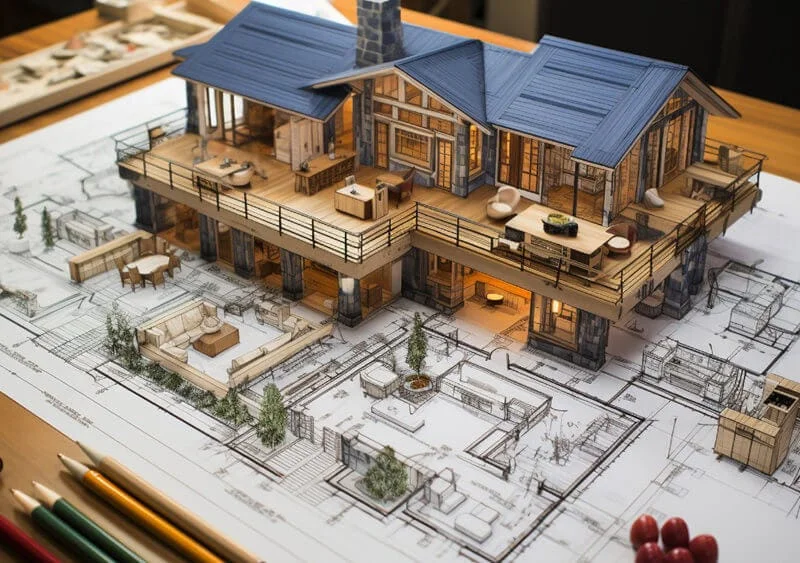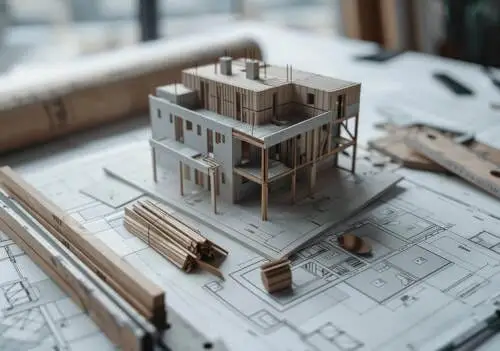
В современном архитектурном мире, where computer screens are filled with detailed 3D-рендеринги, you might think handcrafted масштабные модели are a thing of the past. Surprisingly, these miniature buildings are still very much alive in many architects’ студии. Почему? Because even with all the fancy technology, physical models offer something special that computers just can’t match. They help architects think, дизайн, and communicate their ideas in a unique way.
На протяжении веков, architects have used models to bring their designs to life. Think of the detailed models created during the Renaissance! Сегодня, these scaled-down versions of buildings, городские пейзажи, or even interior spaces continue to be a critical part of the design process. They’re not just pretty objects; they’re powerful tools that help architects refine their designs, explain them to clients, and even secure funding for projects. Let’s explore why these miniature marvels remain so important in the field of architecture.
Оглавление

The Fundamental Importance of Scale Models for Architects
Why do architects use scale models?
Bridging the Gap Between Concept and Reality
Imagine trying to understand a complex building design just from blueprints. Это тяжело! Scale models bring those flat drawings to life. Architects use models as a way to step into their designs, moving from abstract ideas to a tangible object they can hold, examine, and modify. As Beth Mills, Modelshop Director at Squire & Партнеры, puts it:“We call ourselves the modelshop, but we’re more of a maker space, a fully-functioning workshop, While we do make architectural and scale models, we can do anything from prototyping door handles and window installations to bespoke furniture for Squire & Partners’ interiors team.”This quote shows how models help bridge the gap between conceptual ideas and the physical reality of construction.
Enhanced Visualization and Spatial Understanding
Models don’t just show what a building will look like; they help architects *feel* the space. By holding and rotating a model, architects get a real sense of a building’s size, пропорции, and how different parts relate to each other. They can see how sunlight might enter a room or how a staircase connects different levels.- Intuitive Understanding of Scale: A model instantly conveys the size and scale of a project in a way that drawings can’t. You immediately grasp how big a room is or how tall a building will be.
- Experiencing Space in Three Dimensions: Unlike a flat screen, a model lets you walk around the design, seeing it from different angles and perspectives. This helps architects understand how people will move through and experience the space.
- Visualizing Light and Shadow: Architects can place a model under a lamp or take it outside to see how natural light will interact with the building at different times of the day. This helps them make decisions about window placement and shading devices.
Facilitating Design Development and Refinement
Models aren’t just for show; they’re working tools. Architects use them to try out different design ideas, quickly testing variations and seeing the results in three dimensions. This hands-on approach often leads to unexpected discoveries and improvements.- Experimentation and Iteration: It’s easy to make changes to a physical model. Architects can swap out parts, add new elements, or adjust proportions, quickly exploring different design options.
- Identifying Design Flaws: Building a model often reveals problems that weren’t obvious on paper or screen. An architect might discover that a corridor is too narrow or that a roofline doesn’t quite work. These discoveries can be made early in the design process, saving time and money later on.
- Решение проблем: The act of building a model forces architects to think through the construction process. They have to figure out how different parts fit together, which can lead to more practical and buildable designs.
A Powerful Tool for Communication and Collaboration
Explaining a complex design to someone who isn’t an architect can be challenging. Scale models make it much easier. They provide a common visual language that everyone can understand, from clients to construction workers.- Клиентские презентации: A well-crafted model can be incredibly persuasive. Clients can see and touch the design, making it feel more real and exciting. As one architect’s client said, “Есть что-то особенное в том, чтобы держать модель в руках. Вам не нужно ничего объяснять. Вы просто понимаете это.”
- Сотрудничество в команде: Models help architects, инженеры, and other consultants work together more effectively. They provide a shared reference point for discussions, обеспечение того, чтобы все были на одной волне.
- Участие общественности: For large projects, models can be used to show the public what’s being planned. This helps people understand the project’s impact on their community and can generate support.
Types of Scale Models and Their Applications
What are the main types of scale models used in architecture?
Концептуальные или массовые модели
These are the first models an architect might build. They’re like the rough sketches of the modeling world. Made quickly from simple materials like cardboard or foam, they explore the basic shape, размер, and arrangement of a building.- Цель: To quickly test out different ideas and see how they look in three dimensions.
- Характеристики: Простой, абстрактный, and often lacking in detail.
- Материалы: Картон, мыло, бальза.
Модели работы или учебы
As the design develops, architects build more detailed models to study specific aspects of the project. These models help them refine the design, figure out structural details, and solve problems.- Цель: To analyze and refine the design, проверить технологию строительства, and resolve design challenges.
- Характеристики: Более детализировано, чем массовые модели., may include structural elements and some interior features.
- Материалы: Пенопластовая доска, древесина, пластик, 3D printed parts.
Презентационные модели
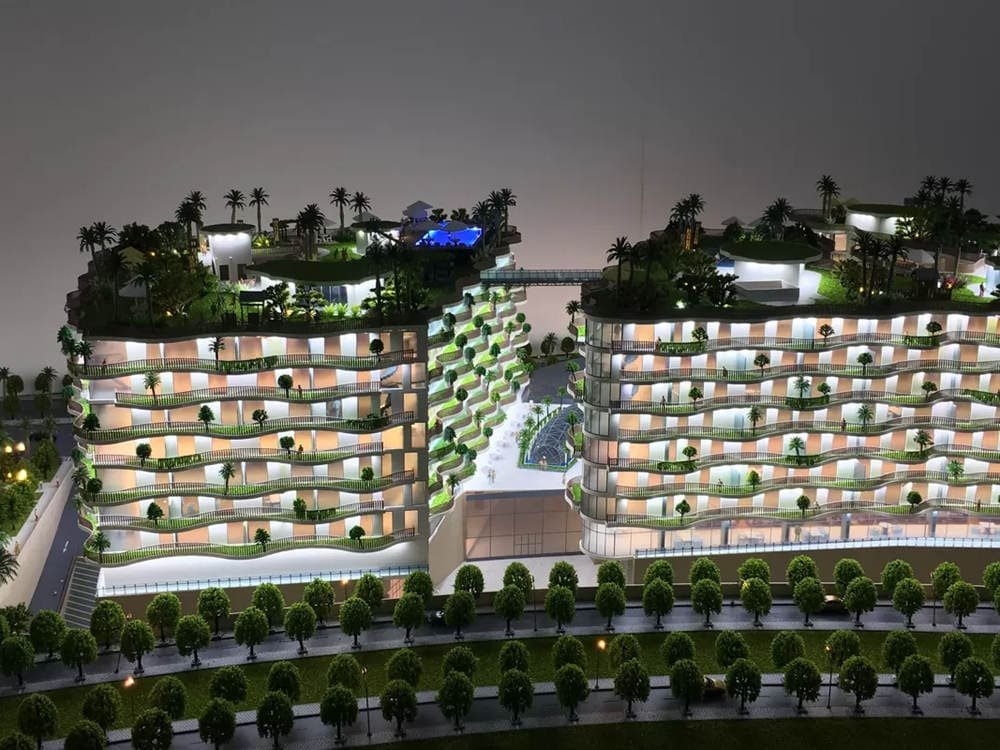
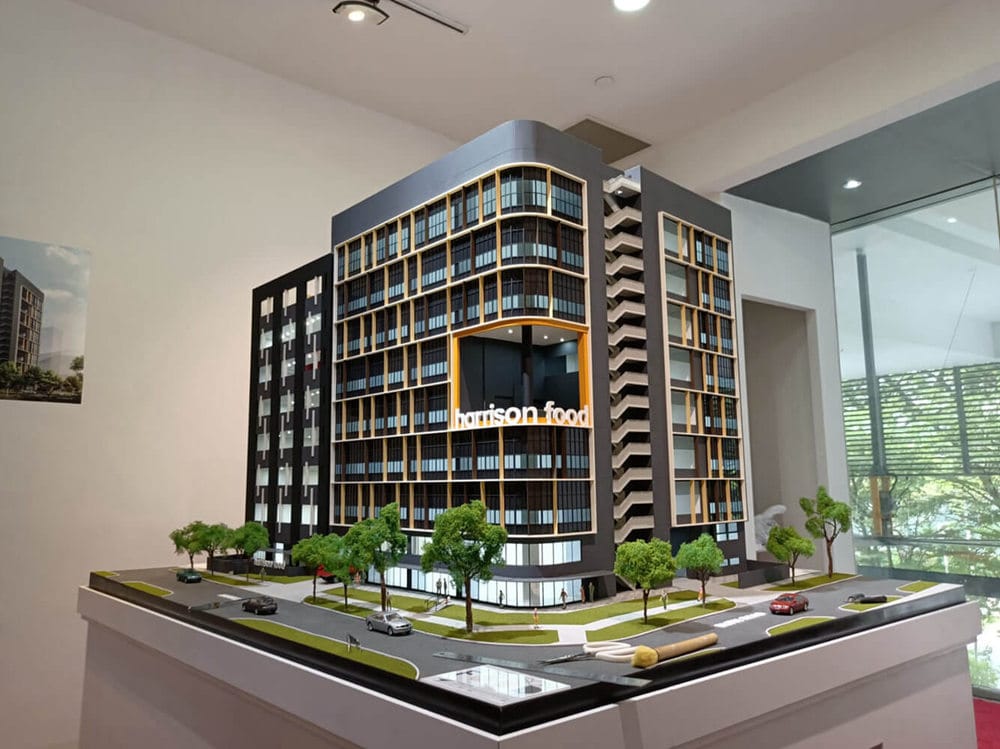
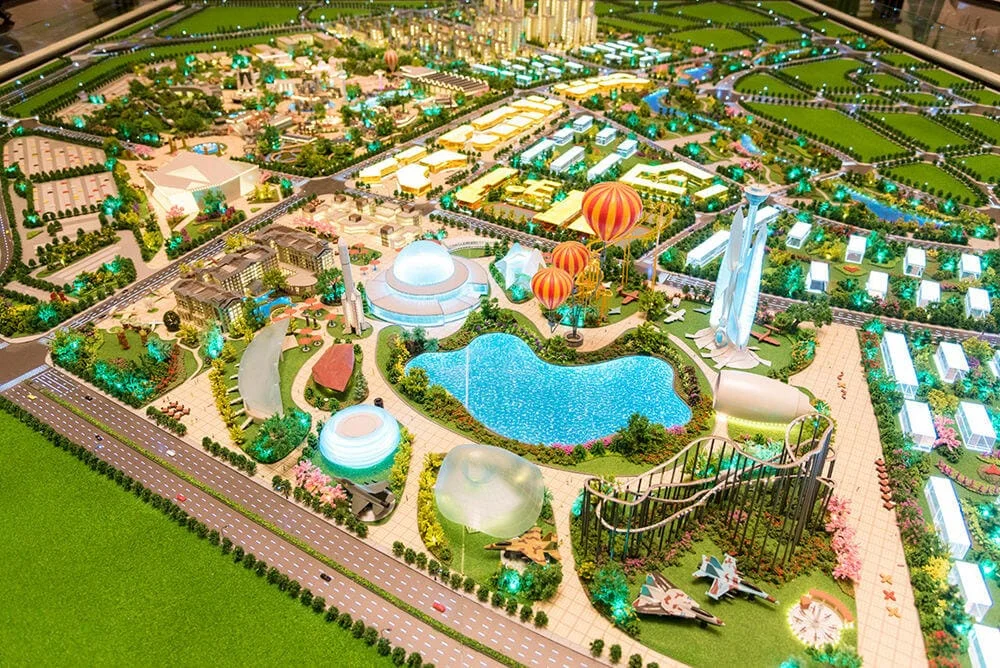
Это шоу-стоперы. Built to impress clients, инвесторы, или общественность, these models are highly detailed and realistic. They often include landscaping, tiny people, and even working lights.- Цель: To showcase the final design in a compelling and persuasive way.
- Характеристики: Очень подробный, реалистичный, often includes landscaping, освещение, and miniature figures.
- Материалы: High-quality materials like wood, акрил, металл, and 3D printed components.
Детальные модели
Иногда, architects need to focus on a particular part of a building, like a complex facade or an intricate interior space. Detail models are built at a larger scale to examine these elements closely.- Цель: To study and refine specific design features, such as a unique window design or a complex roof structure.
- Характеристики: Larger scale, очень подробный, focused on a specific part of the building.
- Материалы: Древесина, пластик, металл, 3D printed parts.
Модели городов или площадок
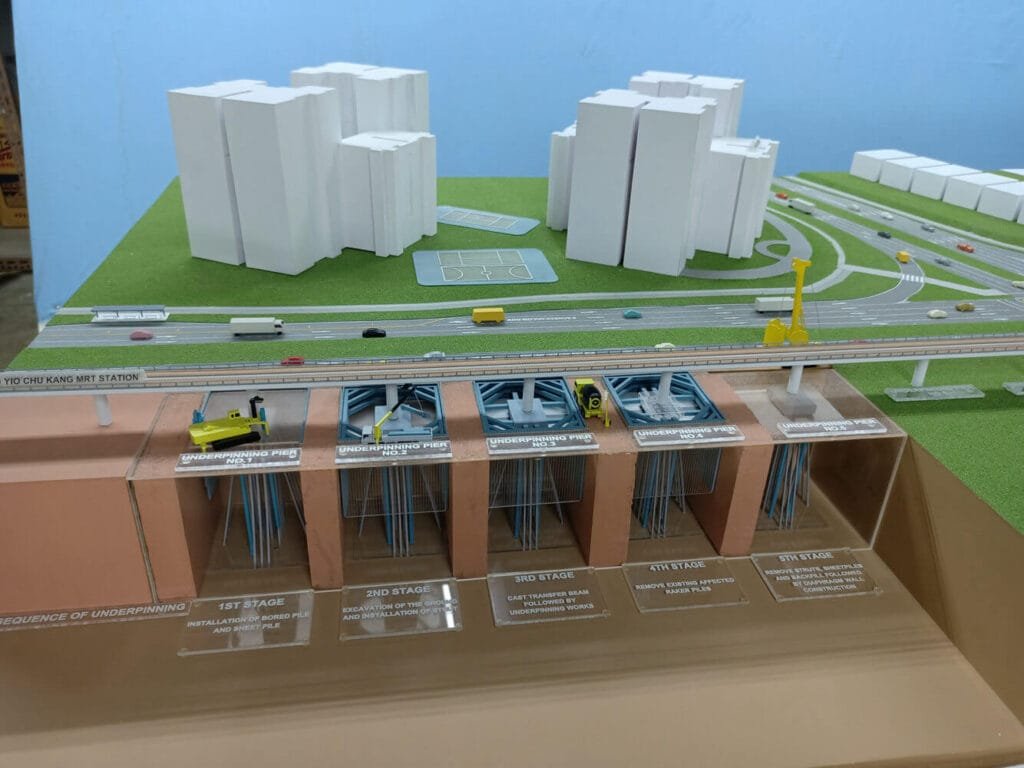
These models show how a building or development fits into its surroundings. They’re especially useful for large projects or when the relationship between the building and its environment is critical.- Цель: To visualize the project in its context, understand its impact on the surrounding area, and plan for site development.
- Характеристики: Can range from simple block models to highly detailed representations of the site and surrounding buildings.
- Материалы: Картон, мыло, древесина, пластик, 3D printed parts.
Внутренние модели
These models focus on the inside of a building, showing the layout of rooms, мебель, и заканчивается. They help clients understand the interior design and make decisions about materials and furnishings.- Цель: To visualize and refine the interior design of a building.
- Характеристики: Detailed representations of interior spaces, often including furniture, светильники, и заканчивается.
- Материалы: Древесина, пластик, ткань, 3D printed parts.
Гибридные модели
These models combine the best of both physical and digital worlds. Например, a physical model might have digital projections mapped onto it, or it might be integrated with augmented reality (АР) технология.- Цель: To create interactive and engaging presentations that combine the tangibility of a physical model with the flexibility of digital information.
- Характеристики: Combine physical model components with digital projections, AR-оверлеи, or other interactive technologies.
- Материалы: Traditional model-making materials combined with digital displays and projection systems.
The Materials and Craft of Model Making
What materials are used to build architectural scale models?
Традиционные материалы:
Model makers have a wide array of materials to choose from, each with its own unique properties and uses. Here’s a look at some of the most common ones:| Материал | Описание | Преимущества | Недостатки | Общее использование |
|---|---|---|---|---|
| Картон | Материал на основе бумаги, изготовленный из слоев бумажной массы.. | Недорогой, легкий, легко резать и придавать форму. | Не очень прочный, подвержен повреждению влагой. | Концептуальные модели, Исследования массирования, временные модели. |
| Пенопластовая доска | Легкий материал, состоящий из сердцевины из пенополистирола, зажатой между слоями бумаги или пластика.. | Легкий вес, легко резать и придавать форму, относительно недорогой, обеспечивает гладкую поверхность. | Можно легко помять или повредить, не такой прочный, как другие материалы. | Массовые модели, Учебные модели, модели презентаций. |
| Древесина | Натуральный материал, который можно резать., резной, и приданы различные формы. (Бальза, липа обычно используется) | Сильный, прочный, можно шлифовать и красить для достижения различных видов отделки, эстетически приятный. | Может быть дороже, чем другие материалы., требует больше навыков для работы с. | Модели презентаций, детальные модели, модели, требующие высокого уровня мастерства. |
| Пластик | Синтетический материал, который можно формовать., экструдированный, или отлить в разные формы. (Стирол, акрил распространены) | Прочный, водостойкий, может быть прозрачным или непрозрачным, доступны в различных цветах и текстурах. | Может быть сложнее разрезать и придавать форму, чем другие материалы., может потребоваться специальный клей. | Модели презентаций, детальные модели, модели, требующие прозрачности или специальной обработки поверхности. |
| Глина | Естественный, землистый материал, которому можно придавать форму во влажном состоянии и затвердевать путем сушки или обжига. | Легко формуется, может использоваться для создания органических форм и текстур., недорогой. | Может быть хрупким в сухом виде, требует умения работать с. | Концептуальные модели, Учебные модели, детали лепки. |
| Металл | Сильный, прочный материал, который можно резать, согнутый, и сварены в различные формы. | Чрезвычайно прочный, можно использовать для создания сложных деталей, эстетически приятный. | Может быть дорогой, требует специальных инструментов и навыков для работы с. | Детальные модели, структурные элементы, модели, требующие высокого уровня точности и долговечности. |
The Role of Adhesives and Finishing Techniques
Building a model is not just about cutting and shaping materials; it’s also about joining them together securely and adding the finishing touches that bring the model to life.- Клеи: Выбор правильного клея имеет решающее значение.
- PVA -клей: A good all-around choice for paper, картон, и дерево. It dries clear and is relatively strong.
- Суперклей (Цианоакрилат): Ideal for bonding plastics and metals. It creates a very strong bond almost instantly but can be brittle.
- Спрей-клеи: Useful for attaching large, flat surfaces, like applying a paper facade to a foam board backing.
- Горячий клей: Quick and easy for temporary bonds or for attaching lightweight elements.
- Finishing Techniques: These make a model look polished and professional.
- Шлифование: Smoothing rough edges and creating seamless joints.
- Рисование: Adding color and realism to the model. Different types of paint (acrylics, эмали) are used depending on the material being painted.
- Текстурирование: Creating realistic surfaces like brickwork, конкретный, or vegetation using specialized paints, powders, или другие материалы.
- Выветривание: Making a model look aged or worn, which can be useful for historical projects or to add a sense of realism.
What tools are used in architectural model making?
Режущие инструменты
Precision cutting is fundamental to model making. Architects and model makers use a variety of tools to achieve clean, accurate cuts:- Ремесленные ножи: These are the workhorses of model making, used for cutting paper, картон, пенопластовая доска, and thin plastics. They come with replaceable blades to maintain sharpness.
- Скальпели: Used for very fine and detailed work, such as cutting out small windows or intricate patterns.
- Ножницы: Useful for cutting paper and thin materials.
- Режущие коврики: Self-healing mats protect the work surface and provide a stable base for cutting. They also help preserve the sharpness of blades.
Измерительные инструменты
Accurate measurements are essential for ensuring that the model is correctly scaled and proportioned.- Правители: Metal rulers are preferred for their durability and straight edges.
- Установить квадраты: Используется для рисования и измерения прямых углов..
- Компасы: Используется для рисования кругов и дуг..
- Транспортиры: Используется для измерения и рисования углов..
- Digital Calipers: For precise measurements of small parts and thicknesses.
Advanced Tools:
Технологии произвели революцию в моделировании, introducing tools that offer greater precision and efficiency.- Лазерная резка: This technology uses a laser beam to cut intricate designs into a variety of materials, в том числе дерево, акрил, и картон.
- Преимущества: Highly precise, can create very detailed and complex shapes, fast and efficient.
- Uses: Cutting facades, creating intricate patterns, cutting multiple identical parts.
- Материал: Фанера, Trotec Laser offers a range of laser-cuttable acrylic sheets.
- 3D Печать: This technology builds up objects layer by layer from a digital file.
- Преимущества: Can create complex and organic shapes that would be difficult or impossible to make by hand, allows for rapid prototyping.
- Uses: Creating detailed building components, printing custom parts, making complex massing models.
- Материалы: Various types of plastics (НОАК, АБС, ПЭТГ), смолы, и даже металлы. You can find a wide selection of 3D printing filaments at MatterHackers.
Физический против. Цифровые модели: Understanding the Advantages
Why are physical scale models still relevant in the age of digital design?
The Tangible Difference: Tactility and Spatial Intuition
There’s something special about holding a physical object in your hands. It engages your senses in a way that a computer screen can’t.- Тактильный опыт: Touching and manipulating a physical model gives you a direct, intuitive understanding of the design. You can feel the weight of the building, the texture of the materials, and the relationships between different parts.
“Рука, в сотрудничестве с разумом, остается мощным инструментом созидания и понимания.”
- Spatial Intuition: By moving around a physical model, you get a much better sense of the building’s scale and how different spaces relate to each other. This is something that even the best virtual reality experiences struggle to replicate.
Enhanced Client Engagement and Communication
Physical models can be incredibly effective tools for communicating with clients, especially those who aren’t used to reading architectural drawings.- Визуальная четкость: A model provides a clear, unambiguous representation of the design that anyone can understand.
- Эмоциональная связь: Seeing and touching a physical model can create a stronger emotional connection to the project, making clients more invested in the design.
- Feedback and Collaboration: Models facilitate more productive conversations with clients. They can point to specific areas, Задайте вопросы, and suggest changes in a very direct way.
A Different Kind of Creativity: The Value of “Making”
The process of building a physical model is a creative act in itself. It’s a different kind of creativity than what you get from working on a computer.- Hands-On Exploration: Working with physical materials forces you to think differently about the design. You have to consider how things will be built, not just how they look on a screen.
“There’s a speed and intuitiveness to creating a massing model, making it easier to explore various design solutions. A ‘wrong’ model can often tell you as much as a ‘right’ one.”
- Unexpected Discoveries: The process of making can lead to happy accidents and new ideas that you might not have come up with otherwise.
Beyond the Screen: Real-World Considerations
Physical models can help architects study aspects of a design that are difficult to simulate accurately on a computer.- Natural Light Studies: By placing a model under a light source, architects can see how sunlight will enter the building and how shadows will be cast at different times of day.
- Materiality: While digital models can simulate materials, they can’t fully replicate the way real materials look and feel in different lighting conditions.

The Impact of Technology on Architectural Model Making
How are technologies like 3D printing and laser cutting used in model making?
Цифровое производство: Скорость, Точность, and Complexity
Digital fabrication tools are revolutionizing the way models are built. They allow for levels of detail and complexity that would be incredibly difficult to achieve by hand.- 3D Печать:
- Быстрое прототипирование: Architects can quickly print out different versions of a design to test and compare them.
- Complex Shapes: 3D printing can create organic and intricate shapes that would be very challenging to make using traditional methods.
- Custom Parts: Architects can design and print unique components tailored to a specific project.
- Материалы: Common 3D printing materials for architectural models include:
- НОАК (Полимолочная кислота): A biodegradable plastic that’s easy to print and comes in a variety of colors. It’s a good choice for general model making. (Source: All3DP)
- АБС (Акрилонитрил-бутадиен-стирол): A stronger, more durable plastic that’s often used for functional parts. (Source: Stratasys)
- Смола: Used in SLA and DLP printing, resin produces very high-resolution prints with fine details. It’s often used for presentation models. (Source: Formlabs)
- Лазерная резка:
- Точная резка: Laser cutters can cut extremely precise shapes and patterns into a variety of materials.
- Эффективность: They can quickly cut multiple identical parts, saving time and effort.
- Универсальность материала: Laser cutters can be used on wood, акрил, картон, И даже некоторые ткани.
- Материалы: Common laser cutting materials for architectural models include:
- Акрил: Often used for windows, фасады, and other transparent or translucent elements. (Source: Ponoko)
- Фанера: A versatile material that can be used for structural elements, фасады, и ландшафт. (Source: Inventables)
- Cardstock/Paper: Used for creating textured surfaces, растительность, or intricate details. (Source: Cerulean Tides)
The Rise of Hybrid Models: Blending Physical and Digital
The most exciting developments in model making often involve combining physical and digital elements. This creates new possibilities for interaction and visualization.- Проекционное картографирование: Projecting digital images onto a physical model can add color, текстура, и даже анимация. This can be used to show how a building’s facade might change with different lighting conditions or to display information about the project.
- Дополненная реальность (АР): AR overlays digital information onto the real world. By using an AR app, you could view a physical model and see additional digital content, such as 3D animations, data visualizations, or interactive elements.
- Интерактивные модели: Some models incorporate sensors and electronics that allow them to respond to touch or other inputs. Например, touching a particular part of a model might activate a light display or trigger a video on a nearby screen.
Виртуальная и дополненная реальность: New Dimensions of Visualization
VR and AR technologies are changing how we experience architectural designs, offering immersive and interactive ways to explore unbuilt spaces.- Виртуальная реальность (Виртуальная машина): VR creates a fully immersive digital environment. By wearing a VR headset, ты можешь “Пройти через” a digital model of a building, getting a sense of scale and space that’s difficult to achieve with traditional models or renderings.
- Дополненная реальность (АР): AR overlays digital content onto the real world. You could use an AR app to view a digital model of a building superimposed on its actual construction site, allowing you to see how it will fit into its context.
The Future of Scale Models in Architecture
Will physical scale models become obsolete in the future?
The Enduring Value of Tangibility
In a world that’s becoming increasingly digital, there’s a growing appreciation for things we can touch and feel. Physical models offer a tangible connection to the design that digital models can’t match.- Эмоциональная связь: Holding a physical model in your hands can create a powerful emotional response. It’s a different experience than clicking through a digital rendering.
- Интуитивное понимание: The tactile experience of interacting with a model provides an intuitive understanding of the design that’s hard to replicate digitally.
Increased Integration with Digital Technologies
The future of model making is likely to involve even closer integration with digital tools. We’ll see more hybrid models that combine the best of both worlds.- Seamless Workflows: Architects will be able to move effortlessly between physical and digital models, using each for what it does best. Например, they might 3D print a model from a digital design, then use that model for a client presentation, and later incorporate it into an AR experience.
- Enhanced Interactivity: Future models may incorporate more sophisticated sensors, electronics, and digital displays, making them even more interactive and engaging.
A Focus on Sustainability
As the architecture and design industries become more environmentally conscious, model making will need to adapt.- Экологически чистые материалы: We’ll likely see increased use of sustainable and recycled materials in model making, например, бамбук, пробка, и биопластики.
- Бамбуковая лаборатория: Offers a range of bamboo products for various applications.
- Made of Air: Creates carbon-negative materials that can be used in construction and design.
- Ответственные цифровые практики: Architects will need to be mindful of the environmental impact of digital tools, включая энергопотребление центров обработки данных и электронные отходы, образующиеся из-за выброшенного оборудования..
Continued Importance in Education, Коммуникация, and Innovation
Scale models will continue to be essential tools for teaching, sharing ideas, and pushing the boundaries of design.- Архитектурное образование: Models provide hands-on learning experiences for students, helping them develop spatial reasoning skills and an understanding of construction principles.
- Общение с клиентами: They remain a powerful tool for explaining designs to clients and getting their buy-in.
- Участие общественности: For community projects, models can help the public understand and engage with new developments.
- Творческое исследование: The act of building a model will continue to be a source of inspiration and innovation for architects.
Заключение
Architectural scale models are far from being outdated relics. They are dynamic tools that continue to play a vital role in the design process. They help architects visualize, уточнить, and communicate their ideas in a way that digital tools alone cannot. While technology is changing how models are made and used, the fundamental value of the physical model endures. Its ability to connect us to the design on a tangible, intuitive level ensures that it will remain an essential part of the architect’s toolkit for years to come.
The enduring appeal of scale models lies in their unique ability to bridge the gap between imagination and reality. They transform abstract concepts into tangible forms, enabling architects to explore, уточнить, and communicate their designs with clarity and precision. Поскольку технологии продолжают развиваться, the integration of physical and digital tools will undoubtedly reshape the landscape of architectural representation. Однако, the fundamental human desire for tactile experiences and the inherent value of hands-on creation suggest that scale models will continue to hold a special place in the world of architecture.
What are your thoughts on the role of scale models in architecture? Have you had experiences where a physical model helped you understand a design better? Поделитесь своими мыслями в комментариях ниже!