การสร้างภาพสามมิติคืออะไร? คำจำกัดความ & วิวัฒนาการ
1.1 การกำหนดเทคโนโลยี
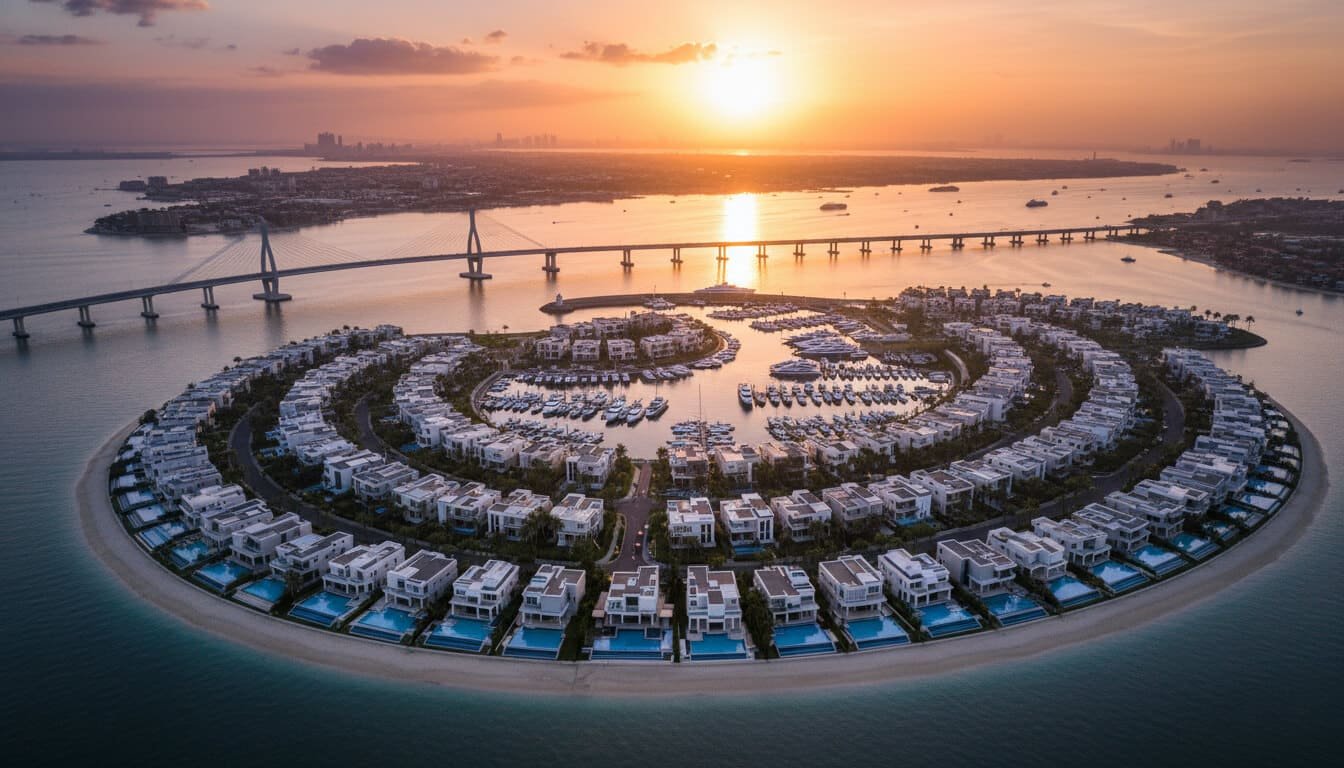
ในระดับพื้นฐานที่สุด, 3D การสร้างภาพ (มักเรียกว่าการเรนเดอร์ 3 มิติหรือ CGI) คือการสร้างโมเดลดิจิทัลสามมิติแล้วประมวลผลเป็นภาพ 2 มิติหรือแอนิเมชั่น. อย่างไรก็ตาม, แตกต่างจากกราฟิก 2D แบบดั้งเดิมที่ทำงานบน X (แนวนอน) และ Y (แนวตั้ง) แกน, 3การสร้างภาพ D แนะนำแกน Z. มิติความลึกนี้เป็นสิ่งที่ช่วยในการจำลองปริมาตรได้, ทัศนคติ, และความเป็นจริงเชิงพื้นที่.
การสร้างภาพสามมิติที่เสร็จสมบูรณ์แล้วคือ “ภาพถ่ายดิจิทัลของวัตถุที่ไม่มีอยู่จริง” สะท้อนถึงคุณสมบัติทางกายภาพทั้งหมดของโครงสร้างในอนาคต: ความหยาบของผนังอิฐ, ความแวววาวของท็อปโต๊ะหินอ่อน, การหักเหของแสงจำเพาะผ่านหน้าต่างกระจก, และอัตราส่วนขนาดเฟอร์นิเจอร์ต่อปริมาตรห้องที่แม่นยำ. โดยทั่วไปไฟล์เหล่านี้จะถูกส่งเป็น JPEG ที่มีความละเอียดสูง, PNG, หรือวิดีโอ MP4 ที่สามารถรับชมได้บนอุปกรณ์ใดก็ได้, จากสมาร์ทโฟนไปจนถึงโปรเจ็กเตอร์ 4K.
สเปกตรัมของประเภทการแสดงภาพ
การทำความเข้าใจคำศัพท์เป็นสิ่งสำคัญสำหรับลูกค้าและมืออาชีพ. อุตสาหกรรมแบ่งประเภทสินทรัพย์เหล่านี้ออกเป็นหลายประเภท:
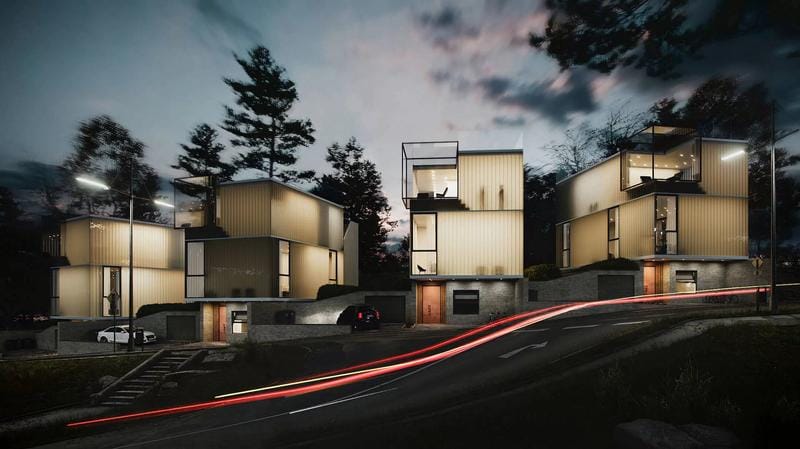
- การเรนเดอร์ภายนอก: เน้นไปที่ส่วนหน้าของอาคาร, สถาปัตยกรรม, และโครงสร้างผสมผสานกับสภาพแวดล้อมได้อย่างไร (การจัดสวน, อาคารใกล้เคียง, สภาพอากาศ).
- การเรนเดอร์ภายใน: การจำลองพื้นที่ภายในอาคาร, มุ่งเน้นไปที่แสงสว่าง, การออกแบบตกแต่งภายใน, เค้าโครงเฟอร์นิเจอร์, และพื้นผิวของวัสดุ (ผ้า, ไม้, กระเบื้อง).
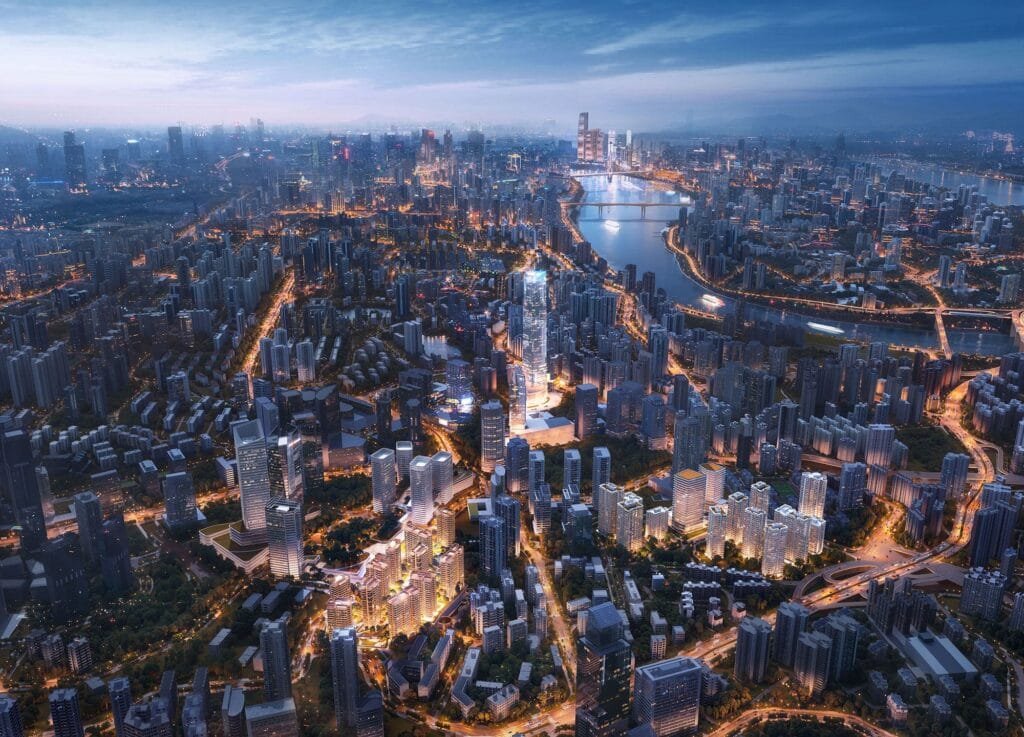
- มุมมองทางอากาศ/นก: มุมมองมุมสูงที่นักพัฒนามักใช้เพื่อแสดงแผนผังของอาคารขนาดใหญ่, ถนน, และโครงสร้างพื้นฐานโดยรอบ.
- 3D แอนิเมชัน/บทสรุป: วิดีโอทัวร์ชมภาพยนตร์ที่จำลองประสบการณ์การเดินผ่านที่พัก.
- ความจริงเสมือน (VR): ประสบการณ์อันน่าดื่มด่ำที่ต้องใช้ชุดหูฟัง, วางผู้ใช้ “ข้างใน” โมเดลที่จะมองไปรอบๆ 360 องศา.
1.2 วิวัฒนาการ: จากปากกาสู่พิกเซล
การเดินทางสู่ความสมจริงด้วยแสงสมัยใหม่นั้นดำเนินไปอย่างรวดเร็ว. ในอดีต, สถาปนิกอาศัยภาพร่างเปอร์สเปคทีฟที่วาดด้วยมือและภาพวาดสีน้ำ. ในขณะที่มีศิลปะ, สิ่งเหล่านี้ขาดความแม่นยำและใช้เวลานานมากในการแก้ไข. หากลูกค้าต้องการย้ายหน้าต่าง, สถาปนิกต้องวาดภาพใหม่ทั้งหมด.
ในช่วงทศวรรษที่ 1980 และ 90, การออกแบบโดยใช้คอมพิวเตอร์ช่วย (คิว) ปฏิวัติด้านเทคนิค, ขอแนะนำการร่างดิจิทัล 2 มิติที่แม่นยำ. ต่อมาคือการสร้างแบบจำลอง 3 มิติช่วงต้นทศวรรษ 2000, ซึ่งเชื่อมช่องว่างแต่มักจะมอง “การ์ตูน” หรือพลาสติก.
วันนี้, เราอยู่ในยุคของ การติดตามเรย์แบบเรียลไทม์. เทคโนโลยีนี้จำลองพฤติกรรมทางกายภาพของอนุภาคแสง (โฟตอน). โดยจะคำนวณว่าแสงสะท้อนจากกระจกอย่างไร, กระจายผ่านม่าน, หรือสะท้อนสีจากพรมสีแดงลงบนผนังสีขาว. ผลลัพธ์ที่ได้คือภาพที่มักแยกไม่ออกจากภาพถ่าย, การสร้าง “การระงับความไม่เชื่อ” นั่นเป็นสิ่งสำคัญสำหรับการอนุมัติทางการตลาดและการออกแบบ.
เหตุใดการสร้างภาพสามมิติจึงมีความสำคัญสำหรับสถาปนิก?
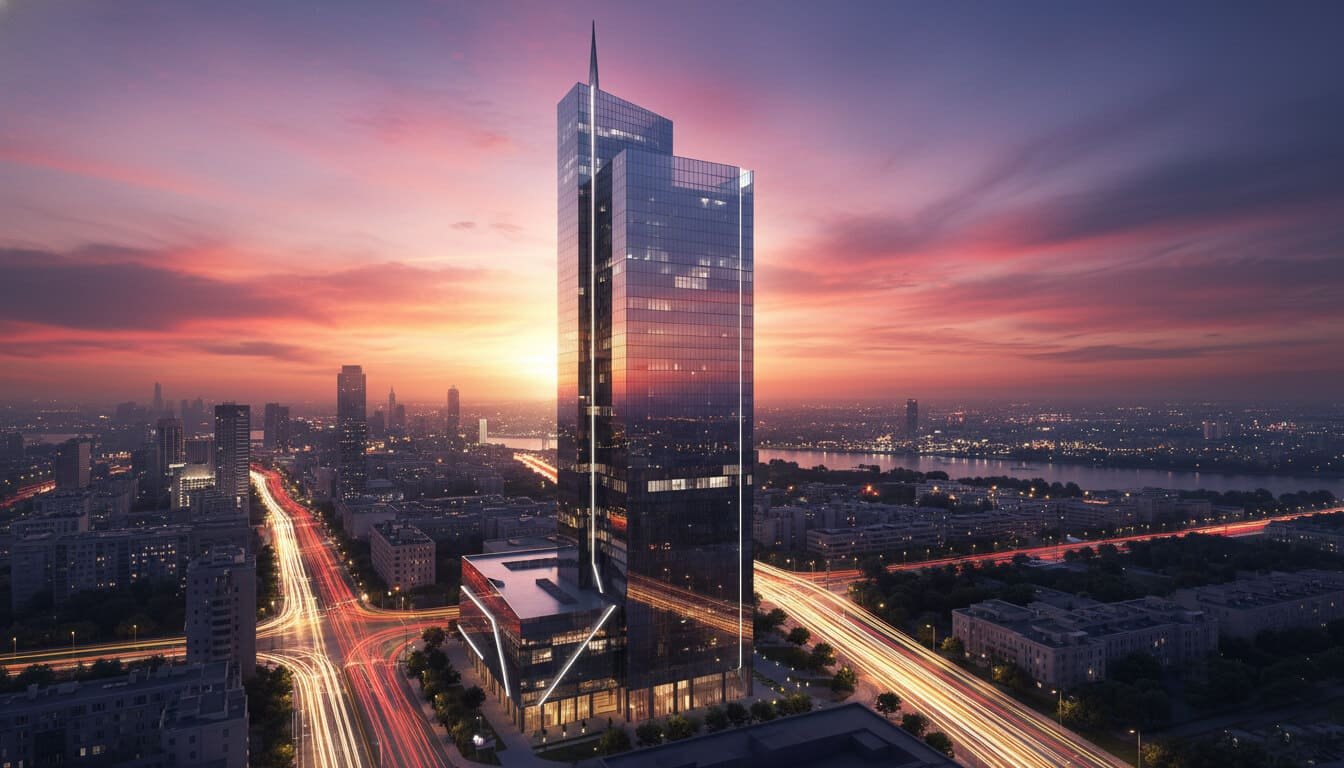
สำหรับสถาปนิกสมัยใหม่, 3การสร้างภาพ D ไม่ได้เป็นเพียงเครื่องมือในการนำเสนอเท่านั้น; มันเป็นเครื่องมือวินิจฉัยและสร้างสรรค์. ช่วยให้สถาปนิกได้อาศัยการสร้างสรรค์ของตนก่อนที่จะมีอยู่, การแก้ปัญหาที่การเขียนแบบ 2 มิติซ่อนเร้นอยู่.
2.1 การตรวจจับและแก้ไขปัญหาข้อผิดพลาดตั้งแต่เนิ่นๆ
ประโยชน์ที่สำคัญที่สุดทางการเงินประการหนึ่งของการแสดงภาพ 3 มิติคือ “การตรวจจับการปะทะ” ในขั้นตอนการทำงาน 2D แบบดั้งเดิม, สถาปนิกกำลังวาดกำแพง, วิศวกรโครงสร้างกำลังดึงคาน, และวิศวกรเครื่องกลเป็นผู้ดึงท่อ. สิ่งเหล่านี้มักจะซ้อนกันเป็นชั้นๆ ในแผน 2 มิติ.
เป็นเรื่องยากอย่างฉาวโฉ่ที่จะแสดงภาพความขัดแย้งในแนวดิ่งด้วยแผนผังราบ. สิ่งนี้มักจะนำไปสู่ความหวาดกลัว “ความประหลาดใจในสถานที่,” โดยที่ผู้รับเหมาพบว่าท่อน้ำเสียไหลผ่านคานเหล็กโดยตรง.
ที่ “แฮอุนแด แอล” บทเรียน:
ในกรณีศึกษาที่โดดเด่นเกี่ยวกับ “แฮอุนแด แอล” โครงการในประเทศเกาหลีใต้, นักวิเคราะห์พบว่าผลกระทบด้านต้นทุนจากข้อผิดพลาดในการวางแผนมีมหาศาล. ผลการศึกษาพบว่าต้นทุนรวมของข้อผิดพลาดในการวางแผนที่นำไปสู่ความล่าช้าของกำหนดการอยู่ที่เกือบหมด 195% สูงกว่า กว่าข้อผิดพลาดในการวางแผนง่ายๆ ที่เกิดขึ้นตั้งแต่เนิ่นๆ. โดยใช้การสร้างแบบจำลองข้อมูลอาคาร 3 มิติ (บีไอเอ็ม), ทีมงานโครงการสามารถระบุข้อบกพร่องในการออกแบบที่อาจเกิดขึ้นและความขัดแย้งทางโครงสร้างในระหว่างขั้นตอนการออกแบบ, ไม่ใช่ขั้นตอนการก่อสร้าง. การปรับเปลี่ยนเชิงรุกนี้ช่วยลดต้นทุนการทำงานซ้ำลงได้อย่างมาก.
2.2 ปรับปรุงความคิดสร้างสรรค์และการสำรวจการออกแบบ
เมื่อสถาปนิกทำงานในรูปแบบ 2 มิติเพียงอย่างเดียว, พวกเขามักจะถูกจำกัดด้วยสิ่งที่พวกเขาสามารถเป็นตัวแทนได้. ซับซ้อน, อินทรีย์, หรือรูปร่างที่ไม่เป็นเส้นตรงเป็นเรื่องยากมากในการวาดและอธิบายในมุมมองแผนงาน/ส่วนต่างๆ.
3ซอฟต์แวร์ D ปลดปล่อยสถาปนิกจากข้อจำกัดเหล่านี้. พิจารณาของเหลว, เส้นโค้งอันกว้างไกลของสถาปัตยกรรมของ Zaha Hadid หรือรูปแบบการแยกส่วนของ Frank Gehry. อาคารเหล่านี้แทบจะเป็นไปไม่ได้เลยที่จะออกแบบและสร้างหากไม่มีการสร้างแบบจำลอง 3 มิติขั้นสูง. ซอฟต์แวร์ทำหน้าที่เป็นแซนด์บ็อกซ์, ช่วยให้สถาปนิกสามารถทดลองกับโครงสร้างที่ท้าทายแรงโน้มถ่วง และดูได้ทันทีว่าโครงสร้างเหล่านั้นสวยงามและเป็นไปได้ทางโครงสร้างหรือไม่.
การสร้างต้นแบบอย่างรวดเร็ว:
นอกจากนี้, การแสดงภาพช่วยให้สามารถวนซ้ำได้อย่างรวดเร็ว. สถาปนิกสามารถทดสอบได้ 20 วัสดุผนังอาคารที่แตกต่างกันภายในหนึ่งชั่วโมง.
“จะเป็นอย่างไรถ้าเราใช้การหุ้มทองแดงแทนอิฐ?”
“แล้วถ้ากระจกเป็นสีฟ้าล่ะ?”
ในโลกดิจิทัล, การเปลี่ยนแปลงเหล่านี้เกิดขึ้นทันที. ช่วยให้สถาปนิกสามารถนำเสนอวิสัยทัศน์ในรูปแบบที่ดีที่สุดได้อย่างแท้จริง, แทนที่จะเป็นอันแรกที่ทำงานบนกระดาษ.
2.3 การวิเคราะห์ความยั่งยืนและสิ่งแวดล้อม
ในยุคที่สภาพอากาศเปลี่ยนแปลง, การออกแบบที่ยั่งยืนเป็นสิ่งสำคัญยิ่ง. 3เครื่องมือสร้างภาพ D ได้รับการพัฒนาเพื่อรวมเครื่องจำลองสภาพแวดล้อมที่ทรงพลัง. ขณะนี้สถาปนิกสามารถป้อนตำแหน่งทางภูมิศาสตร์ที่แน่นอนของโครงการเพื่อจำลองได้:
- พลังงานแสงอาทิตย์ศึกษา: ติดตามเส้นทางของดวงอาทิตย์ข้ามท้องฟ้าเพื่อปรับตำแหน่งหน้าต่างให้เหมาะสมเพื่อให้เกิดความร้อนแบบพาสซีฟในฤดูหนาวและบังแดดในฤดูร้อน.
- การวิเคราะห์ลม: จำลองการไหลเวียนของอากาศผ่านคอมเพล็กซ์เพื่อปรับปรุงการระบายอากาศตามธรรมชาติและลดการพึ่งพาเครื่องปรับอากาศ.
- ประสิทธิภาพการใช้พลังงาน: การคำนวณปริมาณการปล่อยก๊าซคาร์บอนไดออกไซด์ของตัวเลือกการออกแบบต่างๆ.
จากการศึกษาของสถาบันสถาปนิกแห่งอเมริกา, อาคารที่ได้รับการสร้างแบบจำลองพลังงานประเภทนี้ในระหว่างขั้นตอนการออกแบบ ได้แก่, โดยเฉลี่ย, 25% ประหยัดพลังงานมากขึ้น กว่าผู้ที่ไม่ได้.
2.4 การทำงานร่วมกันและการประสานงาน (บีไอเอ็ม)
โครงการก่อสร้างเป็นซิมโฟนีของสาขาวิชาที่แตกต่างกัน: สถาปนิก, วิศวกรโยธา, นักออกแบบตกแต่งภายใน, และภูมิสถาปนิก. 3โมเดล D ทำหน้าที่เป็นโน้ตเพลงที่ช่วยให้ทุกคนอยู่ในจังหวะ.
เรื่องราวของผู้ใช้: อันเดรียส เลบิสช์ & ซีแอลที คอนสตรัคชั่น
อันเดรียส เลบิสช์, ผู้ออกแบบกระท่อมไม้สมัยใหม่, ใช้การแสดงภาพสามมิติเพื่อลดช่องว่างระหว่างการออกแบบและการประดิษฐ์. ด้วยการจัดเตรียมภาพ 3 มิติควบคู่ไปกับเอกสาร 2 มิติ, เขารับรองว่าผู้ผลิตใช้เครื่องจักร CNC (เครื่องมือตัดที่ควบคุมด้วยคอมพิวเตอร์) เข้าใจอย่างถ่องแท้ว่า Cross-Laminated Timber แต่ละชิ้นเป็นอย่างไร (ซีแอลที) พอดีกับส่วนรวม. สิ่งนี้ช่วยขจัดความคลุมเครือที่มักนำไปสู่วัสดุสิ้นเปลือง.
ในทำนองเดียวกัน, บริษัทออกแบบตกแต่งภายในเช่น สตูดิโอ เมซอง บจก. ใช้โมเดล 3 มิติเพื่อสร้างทั้งการเรนเดอร์ไคลเอ็นต์และเอกสารทางเทคนิคที่จำเป็นสำหรับผู้สร้างเฟอร์นิเจอร์ตามสั่ง. นี้ “หน้าที่สองเท่า” ขั้นตอนการทำงานช่วยประหยัดเวลาและทำให้แน่ใจว่าเก้าอี้ที่ลูกค้าชื่นชอบในภาพนั้นเป็นเก้าอี้ที่มาถึงไซต์งานอย่างแน่นอน.
การแสดงภาพ 3 มิติช่วยเพิ่มศักยภาพให้กับลูกค้าได้อย่างไร
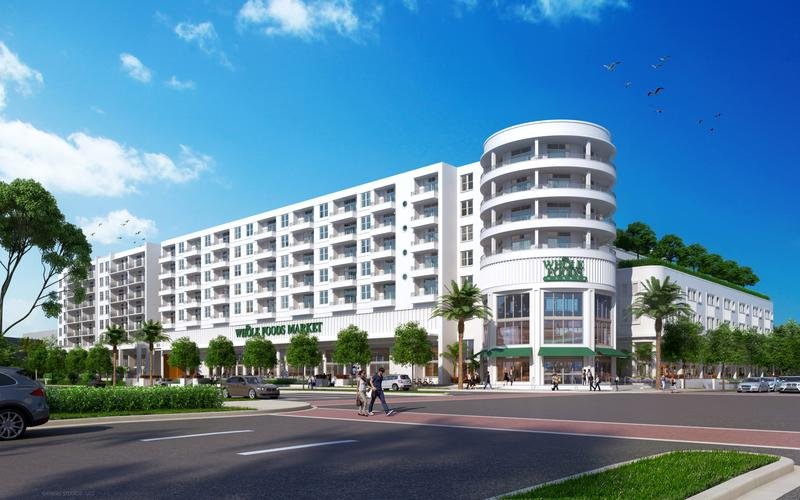
ในขณะที่สถาปนิกใช้ 3D เพื่อความแม่นยำทางเทคนิค, ลูกค้าใช้เพื่อความสบายใจ. สำหรับเจ้าของบ้านหรือนักลงทุนทั่วไป, การอ่านพิมพ์เขียวก็เหมือนกับการพยายามอ่านภาษาต่างประเทศ. พวกเขาอาจพยักหน้าและบอกว่าเข้าใจ, แต่บ่อยครั้งที่พวกเขาปกปิดความสับสน.
3.1 ไขปริศนาความสัมพันธ์เชิงพื้นที่
ลูกค้าร้องเรียนที่พบบ่อยที่สุดระหว่างการก่อสร้างคือ, “ไม่คิดว่าห้องจะเล็กขนาดนี้,” หรือ “ฉันคิดว่าเพดานสูงกว่านี้” นี่คือ “แบนกับ. ปริมาณ” ตัดการเชื่อมต่อ.
3การแสดงภาพ D ขจัดสิ่งนี้โดยทำให้การออกแบบเป็นประชาธิปไตย. โดยจะแปลข้อมูลทางเทคนิคให้เป็นประสบการณ์ของมนุษย์. การเรนเดอร์เสมือนจริงช่วยให้ลูกค้ามองเห็นความสัมพันธ์ระหว่างโต๊ะเตรียมอาหารกับโต๊ะรับประทานอาหาร. ช่วยให้พวกเขาเข้าใจขนาดและสัดส่วนได้อย่างสังหรณ์ใจ.
ที่ “อิโซลินา มาลอน” เข้าใกล้:
นักออกแบบภายใน Isolina Mallon ทำงานในรูปแบบ 3 มิติโดยเฉพาะ เนื่องจากสร้างความไว้วางใจได้ในทันที. กระบวนการทำซ้ำของเธอช่วยให้ลูกค้ามองเห็นแนวคิดเชิงทดลองได้อย่างชัดเจน. เมื่อลูกค้าสามารถเห็นได้อย่างชัดเจนว่าเหตุใดเค้าโครงบางอย่างจึงใช้งานได้, พวกเขามีโอกาสน้อยที่จะคาดเดานักออกแบบเป็นครั้งที่สอง, นำไปสู่ความสัมพันธ์ที่ราบรื่นและการอนุมัติที่รวดเร็วยิ่งขึ้น.
3.2 ที่ “สำเร็จรูป” รายการช้อปปิ้ง
ประโยชน์ที่เป็นประโยชน์อย่างหนึ่งของลูกค้าแต่ถูกมองข้ามคือความสามารถในการใช้การเรนเดอร์เป็นแนวทางในการจัดซื้อ. ในอดีตที่ผ่านมา, ลูกค้าต้องซื้อเฟอร์นิเจอร์ “เป็นการสำรอง” หรือเดาว่าโซฟาจะเข้ากับพรมหรือไม่.
ศิลปิน 3D สมัยใหม่สามารถจัดฉากของตนด้วยโมเดลเฟอร์นิเจอร์ในโลกแห่งความเป็นจริงจากแค็ตตาล็อกจริง. พวกเขาสามารถใช้พื้นผิวที่สอดคล้องกับกระเบื้องหรือผ้าเฉพาะที่มีอยู่ในตลาด.
ผลลัพธ์: เมื่อลูกค้าอนุมัติการเรนเดอร์, พวกเขากำลังอนุมัติรายการช็อปปิ้งเป็นหลัก. พวกเขารู้ลามิเนตสำหรับพื้นอย่างแน่นอน, โคมไฟเพดานรุ่นเฉพาะ, และยี่ห้อโซฟา. ซึ่งช่วยลดความอัมพาตของการตัดสินใจและลดความซับซ้อนของกระบวนการซื้อบ้านใหม่อันวุ่นวาย.
3.3 การเชื่อมต่อทางอารมณ์: “การเห็นคือการเชื่อ”
อสังหาริมทรัพย์และการสร้างบ้านเป็นธุรกรรมทางอารมณ์. ผู้คนไม่เพียงแค่ซื้ออิฐและปูนเท่านั้น; พวกเขาซื้อวิถีชีวิต.
การแสดงภาพเป็นศิลปะของการเล่าเรื่อง. การเรนเดอร์ที่ยอดเยี่ยมไม่เพียงแค่แสดงห้องเท่านั้น; มันแสดงให้เห็นชีวิต. อาจพรรณนาถึงถ้วยกาแฟบนระเบียงเพื่อสื่อถึงยามเช้าอันเงียบสงบ, หรืออ่อนนุ่ม, แสงไฟอันอบอุ่นในห้องนั่งเล่นเพื่อแนะนำค่ำคืนอันแสนอบอุ่นของครอบครัว.
นี้ “การเล่าเรื่องด้วยภาพ” กระตุ้นให้เกิดการตอบสนองทางอารมณ์แบบที่พิมพ์เขียวไม่สามารถทำได้. ช่วยให้ลูกค้าได้เคลื่อนไหวจิตใจก่อนสร้างบ้าน. การยอมรับทางอารมณ์นี้เป็นสิ่งสำคัญในการทำให้ลูกค้าตื่นเต้นตลอดกระบวนการก่อสร้างที่ยาวนานและมักตึงเครียด.
กรณีศึกษา: สภาการวางแผนภูมิภาคแทมปาเบย์ & อาร์
ความท้าทาย: คุณจะโน้มน้าวชุมชนให้สนับสนุนโครงสร้างพื้นฐาน Stormwater ใหม่ราคาแพงได้อย่างไร? แผนที่ทางเทคนิคน่าเบื่อและสร้างความสับสนให้กับสาธารณชน.
โซลูชั่น: สภาร่วมมือกับ InCitu, ความเป็นจริงยิ่ง (อาร์) การเริ่มต้น. พวกเขาสร้างแอปที่อนุญาตให้ผู้อยู่อาศัยถือโทรศัพท์บนท้องถนนและดูโครงสร้างพื้นฐานที่นำเสนอซ้อนทับในโลกแห่งความเป็นจริง.
ผลลัพธ์: เกิน 250,000 ชาวบ้านมีส่วนร่วมกับข้อเสนอ. โดยการแสดงภาพวิธีแก้ปัญหาในสภาพแวดล้อมทางกายภาพ, โครงการนี้ได้รับข้อมูลจากสาธารณะที่ชัดเจนยิ่งขึ้นและได้รับการสนับสนุนจากหน่วยงานท้องถิ่นเร็วขึ้น. นี่เป็นการพิสูจน์ว่าการแสดงภาพเป็นเครื่องมือที่มีประสิทธิภาพสำหรับการมีส่วนร่วมของพลเมืองและการปฏิบัติตามกฎระเบียบของรัฐบาล.
ผลกระทบทางการเงิน: ROI และประสิทธิภาพด้านต้นทุน

ความเข้าใจผิดที่พบบ่อยคือการแสดงภาพ 3 มิติเป็นค่าใช้จ่ายเพิ่มเติม—ก “ดีที่มี” ในความเป็นจริง, มันเป็นกลไกการประหยัดต้นทุน. ผลตอบแทนจากการลงทุน (ผลตอบแทนการลงทุน) มาจากสองแหล่งหลัก: การป้องกันข้อผิดพลาดและการเร่งการตลาด.
4.1 ต้นทุนของการทำงานซ้ำเทียบกับ. การวนซ้ำเสมือนจริง
ในอุตสาหกรรมการก่อสร้าง, ค่าใช้จ่ายในการแก้ไขข้อผิดพลาดจะเพิ่มขึ้นแบบทวีคูณเมื่อพบในภายหลัง. สิ่งนี้เรียกว่า “ต้นทุนของเส้นโค้งการเปลี่ยนแปลง”
| เฟสโครงการ | การดำเนินการเพื่อแก้ไขข้อผิดพลาด | ผลกระทบด้านต้นทุนโดยประมาณ |
|---|---|---|
| ขั้นตอนการออกแบบ (3ดี) | คลิกเมาส์เพื่อย้ายกำแพง. | $ (น้อยที่สุด) |
| ขั้นตอนการจัดทำเอกสาร | กำลังวาดแผนใหม่, อัปเดตกำหนดการ. | $$ (ปานกลาง) |
| ขั้นตอนการก่อสร้าง | การรื้อถอน, ของเสีย, ความล่าช้าด้านแรงงาน. | $$$$$ (รุนแรง) |
ตามที่สถาบันอุตสาหกรรมก่อสร้าง, บัญชีการทำงานซ้ำประมาณ 5% ของต้นทุนการก่อสร้างทั้งหมด. บน $1 โครงการล้าน, นั่นคือ $50,000 สูญเปล่า—เงินที่สามารถครอบคลุมต้นทุนของการแสดงภาพ 3 มิติระดับไฮเอนด์ได้อย่างง่ายดายมากกว่าสิบเท่า. โดยสร้างโครงการเสมือนจริงก่อน, สถาปนิกจะระบุปัญหาเหล่านี้เมื่อแก้ไขได้ราคาถูก.
4.2 การจัดการสิ่งอำนวยความสะดวกและต้นทุนวงจรชีวิต
ผลประโยชน์ทางการเงินมีมากกว่าการก่อสร้าง. โมเดล 3 มิติที่มีความแม่นยำสูง (ดิจิตอล ทวิน) สามารถใช้ได้ตลอดวงจรชีวิตของอาคาร. ผู้จัดการสิ่งอำนวยความสะดวกสามารถใช้แบบจำลองเพื่อค้นหาท่อหรือสายไฟที่ซ่อนอยู่โดยไม่ต้องเจาะผนัง. การประมาณการชี้ให้เห็นว่าการใช้ข้อมูล BIM และ 3D สามารถลดต้นทุนการดำเนินงานของโรงงานได้สูงสุดถึง 30% ตลอดอายุของอาคาร.
การประยุกต์ในการตลาดอสังหาริมทรัพย์ & ฝ่ายขาย

สำหรับนักพัฒนาอสังหาริมทรัพย์, เป้าหมายคือการขายหรือเช่าทรัพย์สินโดยเร็วที่สุด. ในอดีตที่ผ่านมา, นี่หมายถึงการรอคอย “บ้านตัวอย่าง” ที่จะถูกสร้างขึ้น. วันนี้, 3การแสดงภาพ D ช่วยให้การขายเริ่มต้นได้ทันทีที่การออกแบบเสร็จสมบูรณ์.
5.1 ที่ “ฮีโร่ช็อต” และก่อนการขาย
แคมเปญการตลาดอาศัย “ฮีโร่ช็อต”—เป็นภาพภายนอกอาคารที่น่าทึ่งในยามพลบค่ำ, มีแสงอันอบอุ่นส่องสว่างอยู่ภายใน. ภาพนี้เป็นสมอป้ายโฆษณา, เว็บไซต์, และโบรชัวร์.
เนื่องจากการเรนเดอร์ 3 มิติมีความสมจริงเหมือนภาพถ่าย, นักพัฒนาซอฟต์แวร์สามารถเปิดตัวแคมเปญพรีเซลได้หลายเดือนหรือหลายปีก่อนที่จะสร้างเสร็จ. กระแสรายได้ในช่วงแรกนี้มีความสำคัญอย่างยิ่งต่อการจัดหาเงินทุนในการก่อสร้าง. ตรวจสอบความต้องการของตลาดและลดความเสี่ยงทางการเงินสำหรับนักพัฒนา.
กรณีศึกษา: เจแอลแอล และ “เรือ” โครงการ
บริบท: เจแอลแอล, บริษัทให้บริการด้านอสังหาริมทรัพย์ระดับโลก, ที่จำเป็นในการทำตลาด “อุทยานนวัตกรรมซิลิคอน ฮาร์ทแลนด์” (เรือ) ในนิวออลบานี, โอไฮโอ. โครงการนี้มีขนาดใหญ่มาก, แต่สถานที่นั้นเป็นเพียงที่ดินว่างเปล่า.
กลยุทธ์: แทนที่จะรอการก่อสร้าง, JLL ว่าจ้างชุดสินทรัพย์ 3 มิติที่ครอบคลุม: ภาพเคลื่อนไหว, การแมปโดยละเอียด, และการแสดงภาพแบรนด์ที่ปรับให้เหมาะกับผู้ชมที่เชี่ยวชาญด้านเทคโนโลยี.
ผลลัพธ์: การแสดงภาพข้อมูลมีความน่าสนใจมากจนช่วยบอกเล่าถึงคุณค่าของไซต์โดยไม่ต้องไปเยี่ยมชมสถานที่จริงแม้แต่ครั้งเดียว. ผลลัพธ์ที่ได้? อาคารเก็งกำไรทั้งสองแห่งถูกเช่าเต็มจำนวน, และ 60 ขายที่ดินเป็นเอเคอร์ในราคาบันทึก. นี่เป็นการพิสูจน์ว่าสินทรัพย์ 3 มิติคุณภาพสูงไม่ใช่แค่ค่าใช้จ่ายเท่านั้น; พวกเขาเป็นผู้สร้างรายได้.
5.2 การแสดงละครเสมือนเทียบกับ. การแสดงละครทางกายภาพ
การขายบ้านเปล่าเป็นเรื่องยาก; ห้องดูเล็กลงและเย็นลงโดยไม่มีเฟอร์นิเจอร์. การแสดงละครทางกายภาพ (เช่าเฟอร์นิเจอร์) มีราคาแพงและมีน้ำหนักมากในเชิงลอจิสติกส์.
การแสดงละครเสมือน ช่วยให้ศิลปินแทรกเฟอร์นิเจอร์ที่มีสไตล์ลงในภาพถ่ายห้องว่างได้แบบดิจิทัล. ตามที่สมาคมนายหน้าแห่งชาติ (นาร์), บ้านที่จัดฉากสามารถเพิ่มมูลค่าเงินดอลลาร์ที่เสนอระหว่างนั้นได้ 1% และ 5%. การจัดเตรียมเสมือนจริงทำให้ได้ผลลัพธ์นี้ด้วยต้นทุนเพียงเล็กน้อยและทำให้เกิดความยืดหยุ่น ห้องนอนสามารถจัดเป็นสถานรับเลี้ยงเด็กสำหรับลูกค้ารายหนึ่งและเป็นโฮมออฟฟิศของอีกรายหนึ่งได้.
5.3 ทลายอุปสรรคทางภูมิศาสตร์
เราอาศัยอยู่ในตลาดโลก. นักลงทุนจากเอเชียมักซื้ออสังหาริมทรัพย์ในยุโรป; ผู้เกษียณอายุในนิวยอร์กซื้อคอนโดในฟลอริดา. 3การสร้างภาพ D เชื่อมระยะทาง.
ทัวร์เสมือนจริง: ทัวร์แบบโต้ตอบ 360 องศาช่วยให้ผู้ซื้อจากระยะไกลสามารถ “เดิน” ผ่านทรัพย์สินจากแล็ปท็อปของพวกเขา. สถิติระบุว่าได้รับคุณสมบัติที่มีทัวร์เสมือนจริง 3 มิติ 87% มุมมองเพิ่มเติม กว่าผู้ที่ไม่มี. ช่วยให้ผู้ใช้อยู่ในรายการได้นานขึ้น และให้ความมั่นใจในการสอบถามข้อมูลโดยไม่ต้องเข้าไปเยี่ยมชม.
เครื่องยนต์เทคโนโลยี: มันทำงานอย่างไร & อนาคต

เพื่อชื่นชมคุณค่าของการแสดงภาพ 3 มิติอย่างแท้จริง, เราต้องเข้าใจความซับซ้อนของกระบวนการและอนาคตที่น่าตื่นเต้นบนขอบฟ้า.
6.1 ไปป์ไลน์การแสดงภาพ: คำแนะนำทีละขั้นตอน
การสร้างภาพเรนเดอร์เสมือนจริงเป็นการผสมผสานระหว่างวิศวกรรมทางเทคนิคและองค์ประกอบทางศิลปะ. นี่คือขั้นตอนการทำงานมาตรฐาน:
- การสร้างแบบจำลอง: ที่ “โครงกระดูก” ของโครงการ. ศิลปินใช้ซอฟต์แวร์เช่น SketchUp, การทบทวน, หรือ 3ds Max เพื่อสร้างเรขาคณิต—กำแพง, หน้าต่าง, หลังคา, และเฟอร์นิเจอร์.
- การทำพื้นผิว: ที่ “ผิว” ของโครงการ. ซึ่งเกี่ยวข้องกับการนำภาพ 2 มิติไปใช้กับพื้นผิว 3 มิติเพื่อจำลองวัสดุ. ขั้นสูง “พีบีอาร์” (การเรนเดอร์ตามทางกายภาพ) พื้นผิวรวมถึงแผนที่สำหรับความหยาบ, การสะท้อนกลับ, และความขรุขระ.
- แสงสว่าง: ที่ “วิญญาณ” ของโครงการ. ศิลปินวางดวงอาทิตย์แบบดิจิทัลและแสงประดิษฐ์. พวกเขาต้องเข้าใจหลักการถ่ายภาพ เช่น การเปิดรับแสง, รูรับแสง, และสมดุลสีขาว.
- กำลังเรนเดอร์: คอมพิวเตอร์ประมวลผลข้อมูล, คำนวณเส้นทางแสงนับล้าน. การดำเนินการนี้อาจใช้เวลาหลายนาทีหรือหลายชั่วโมง ขึ้นอยู่กับความซับซ้อน.
- หลังการประมวลผล: ขัดครั้งสุดท้าย. การใช้เครื่องมือเช่น Photoshop, ศิลปินจะปรับคอนทราสต์, เกรดสีของภาพ, และเพิ่มเอฟเฟ็กต์บรรยากาศ เช่น ดอกไม้บานหรือหมอก.
6.2 การปฏิวัติเอไอ
ปัญญาประดิษฐ์กำลังพลิกโฉมอุตสาหกรรมในปัจจุบัน, ทำให้การแสดงภาพข้อมูลเร็วขึ้นและเข้าถึงได้มากขึ้น.
- การสร้างพื้นผิว: เครื่องมือเช่น ตัวอย่าง Adobe Substance 3D สามารถถ่ายภาพกำแพงอิฐจริงและแปลงเป็นแผนที่พื้นผิว 3 มิติได้ทันที.
- AI ดีนอยซ์: การเรนเดอร์เคยใช้เวลาทั้งคืน. ตอนนี้, เครื่องมือ AI เช่น NVIDIA OptiX สามารถใช้ “เม็ดเล็ก” เรนเดอร์ที่ยังไม่เสร็จและใช้การเรียนรู้เชิงลึกเพื่อคาดเดาว่าภาพที่สะอาดตาจะเป็นอย่างไร, ลดเวลาในการเรนเดอร์ลงอย่างมาก.
- เจเนอเรทีฟดีไซน์: ซอฟต์แวร์เช่น เมชชี่ AI และ โพลีแคม อนุญาตให้ผู้ใช้สร้างโมเดล 3 มิติจากการแจ้งข้อความธรรมดาหรือการสแกนสมาร์ทโฟน, สร้างประชาธิปไตยในการสร้างเนื้อหา 3 มิติ.
6.3 อนาคต: ฝาแฝดดิจิตอลและ VR
อนาคตอยู่ที่ ดิจิตอล ทวิน—การดำรงชีวิต, หายใจแบบจำลอง 3 มิติที่มีอยู่ควบคู่ไปกับอาคารทางกายภาพ. มันจะเชื่อมต่อกับ IoT (อินเทอร์เน็ตของสรรพสิ่ง) เซ็นเซอร์, ช่วยให้เจ้าของเห็นภาพข้อมูลแบบเรียลไทม์ (อุณหภูมิ, อัตราการเข้าพัก, สุขภาพโครงสร้าง) บนโมเดล 3 มิติ.
นอกจากนี้, เป็นความจริงเสมือน (VR) ชุดหูฟังจะเบาลงและราคาถูกลง, วันที่ดูจอแบนก็จะจางหายไป. ลูกค้าจะสวมชุดหูฟังและเดินผ่านห้องครัวของตนเป็นประจำก่อนที่จะซื้อตู้, รับรองก 100% อัตราความพึงพอใจ.
คำถามที่พบบ่อย (คำถามที่พบบ่อย)
1. การสร้างภาพ 3 มิติสามารถช่วยประหยัดเงินในโครงการที่อยู่อาศัยขนาดเล็กได้จริงหรือไม่?ใช่. ในขณะที่ดูเหมือนเป็นค่าใช้จ่ายล่วงหน้า, 3การสร้างภาพข้อมูล D มักจะมีค่าใช้จ่ายน้อยกว่า 1% ของงบประมาณการจัดสร้างทั้งหมด. ถ้ามันช่วยให้คุณหลีกเลี่ยงการขยับกำแพงเพียงด้านเดียวหรือทาสีบ้านใหม่เพราะคุณเกลียดสีนี้, มันจะจ่ายเองทันที. อีกทั้งยังช่วยเร่งการทำงานของผู้รับเหมาอีกด้วย, ประหยัดค่าแรง.
2. ใช้เวลานานแค่ไหนในการเรนเดอร์คุณภาพสูง?มันขึ้นอยู่กับความซับซ้อน. ภายนอกบ้านครอบครัวเดี่ยวมาตรฐานอาจต้องใช้เวลา 3-5 วัน. การตกแต่งภายในที่ซับซ้อนด้วยเฟอร์นิเจอร์สั่งทำอาจต้องใช้เวลา 1-2 หลายสัปดาห์. แอนิเมชั่นเชิงพาณิชย์ขนาดใหญ่อาจใช้เวลาหนึ่งเดือนหรือมากกว่านั้น. อย่างไรก็ตาม, ด้วยเครื่องมือ AI ใหม่, ไทม์ไลน์เหล่านี้หดตัวลงทุกปี.
3. อะไรคือความแตกต่างระหว่าง “3D การเรนเดอร์” และ “3D การสร้างแบบจำลอง”?3D Modeling คือการสร้างรูปทรงโครงลวด (เรขาคณิต). 3D Rendering คือการกระทำของการนำโมเดลนั้นไปใช้, เพิ่มแสงและพื้นผิว, และ “กำลังถ่ายรูป” เพื่อสร้างภาพที่เหมือนจริงในขั้นสุดท้าย. คุณไม่สามารถเรนเดอร์ได้หากไม่มีโมเดล.
4. คุณเห็นภาพการปรับปรุงบ้านที่มีอยู่ได้ไหม?อย่างแน่นอน. นี่เป็นหนึ่งในกรณีการใช้งานที่ดีที่สุด. สถาปนิกก็ใช้ได้ “การจับคู่ภาพถ่าย,” โดยพวกเขาจะถ่ายรูปบ้านปัจจุบันของคุณและซ้อนทับส่วนต่อเติมหรือการปรับปรุงใหม่แบบดิจิทัล. นี่แสดงให้คุณเห็นอย่างชัดเจนว่าสิ่งใหม่ผสมผสานกับสิ่งเก่าได้อย่างไร.
5. ฉันจำเป็นต้องมีชุดหูฟัง VR เพื่อดูภาพ 3 มิติหรือไม่?เลขที่. การแสดงภาพส่วนใหญ่จะจัดส่งเป็นรูปภาพหรือไฟล์วิดีโอมาตรฐาน. สม่ำเสมอ “360-ทัวร์ระดับปริญญา” สามารถดูได้บนเว็บเบราว์เซอร์มาตรฐานบนโทรศัพท์หรือแล็ปท็อปของคุณ, โดยที่คุณคลิกและลากเพื่อดูไปรอบๆ.
6. AI จะมาแทนที่สถาปนิกที่เป็นมนุษย์และศิลปิน 3 มิติหรือไม่?ไม่น่าเป็นไปได้. AI เป็นเครื่องมือที่จัดการงานที่ซ้ำซ้อน (เช่นการสร้างพื้นผิวหรือการเรนเดอร์เร็วขึ้น). อย่างไรก็ตาม, การออกแบบสถาปัตยกรรมต้องอาศัยความเห็นอกเห็นใจของมนุษย์, ความเข้าใจกฎหมายท้องถิ่น, และการแก้ปัญหาที่ซับซ้อนซึ่ง AI ยังไม่สามารถทำซ้ำได้. AI ให้อำนาจแก่ศิลปิน; มันไม่ได้แทนที่พวกเขา.
บทสรุป: สร้างอนาคต, วันนี้
การเปลี่ยนจากพิมพ์เขียว 2 มิติเป็นการแสดงภาพ 3 มิติไม่ได้เป็นเพียงการอัพเกรดทางเทคโนโลยีเท่านั้น; มันเป็นการเปลี่ยนแปลงขั้นพื้นฐานในการสื่อสารของมนุษย์. มันเชื่อมช่องว่างระหว่างความคิดทางเทคนิคของสถาปนิกและความต้องการทางอารมณ์ของลูกค้า. มันเปลี่ยนความไม่แน่นอนเป็นความมั่นใจ, และความคิดเชิงนามธรรมสู่ความเป็นจริงที่จับต้องได้.
สำหรับ สถาปนิก, มันเป็นเครื่องมือแห่งการปลดปล่อย, ช่วยให้สร้างสรรค์ได้ไร้ขอบเขตและการตรวจสอบข้อผิดพลาดอย่างเข้มงวด.
สำหรับ นักพัฒนา, เป็นเครื่องมือทางการตลาดที่สร้างรายได้ก่อนเริ่มการก่อสร้าง.
สำหรับ ลูกค้า, ความอุ่นใจคือบ้านในฝันของพวกเขาจะออกมาตรงตามที่จินตนาการไว้.
ขณะที่เราก้าวไปข้างหน้าสู่โลกแห่งการออกแบบที่ขับเคลื่อนด้วย AI และ Digital Twins, ผู้ที่ยอมรับการสร้างภาพข้อมูลจะไม่เพียงแต่อยู่รอดเท่านั้น; พวกเขาจะเป็นผู้นำ. คำถามไม่มีอีกต่อไป “เราจะสามารถสร้างภาพ 3 มิติได้หรือไม่?” คำถามที่แท้จริงคือ, “เราจะไม่ทำได้ไหม?”
พร้อมมองเห็นวิสัยทัศน์ของคุณก่อนที่จะสร้างมัน?
อย่าปล่อยให้โปรเจ็กต์ต่อไปของคุณเป็นเกมที่ต้องคาดเดา. ไม่ว่าคุณจะเป็นสถาปนิกที่ต้องการปรับปรุงขั้นตอนการทำงานของคุณ, นักพัฒนาจำเป็นต้องขายหน่วยล่วงหน้า, หรือเจ้าของบ้านที่ฝันอยากจะปรับปรุงใหม่ให้สมบูรณ์แบบ, เรามาที่นี่เพื่อลดช่องว่างระหว่างแนวคิดและความเป็นจริง.
ทีมผู้เชี่ยวชาญของเราใช้ประโยชน์จากการเรนเดอร์ภาพเสมือนจริงและเทคโนโลยี VR ล่าสุดเพื่อช่วยคุณประหยัดเวลา, เงิน, และความเครียด.