Trong thế giới kiến trúc ngày nay, nơi màn hình máy tính chứa đầy thông tin chi tiết 3kết xuất D, bạn có thể nghĩ là thủ công Mô hình quy mô đã là quá khứ. Ngạc nhiên thay, những tòa nhà thu nhỏ này vẫn còn sống động trong mắt nhiều kiến trúc sư’ studio. Tại sao? Bởi vì ngay cả với tất cả công nghệ ưa thích, các mô hình vật lý cung cấp những điều đặc biệt mà máy tính không thể sánh được. Chúng giúp các kiến trúc sư suy nghĩ, thiết kế, và truyền đạt ý tưởng của họ một cách độc đáo.
Trong nhiều thế kỷ, các kiến trúc sư đã sử dụng các mô hình để biến thiết kế của họ thành hiện thực. Hãy nghĩ về các mô hình chi tiết được tạo ra trong thời kỳ Phục hưng! Hôm nay, những phiên bản thu nhỏ của tòa nhà, cảnh quan thành phố, hay thậm chí không gian nội thất vẫn tiếp tục là một phần quan trọng của quá trình thiết kế. Chúng không chỉ là những đồ vật đẹp; chúng là những công cụ mạnh mẽ giúp kiến trúc sư tinh chỉnh thiết kế của họ, giải thích chúng cho khách hàng, và thậm chí đảm bảo nguồn tài trợ cho các dự án. Hãy cùng khám phá lý do tại sao những tuyệt tác thu nhỏ này vẫn quan trọng trong lĩnh vực kiến trúc.
Mục lục

Tầm quan trọng cơ bản của mô hình tỷ lệ đối với kiến trúc sư
Tại sao kiến trúc sư sử dụng mô hình tỷ lệ?
Thu hẹp khoảng cách giữa khái niệm và thực tế
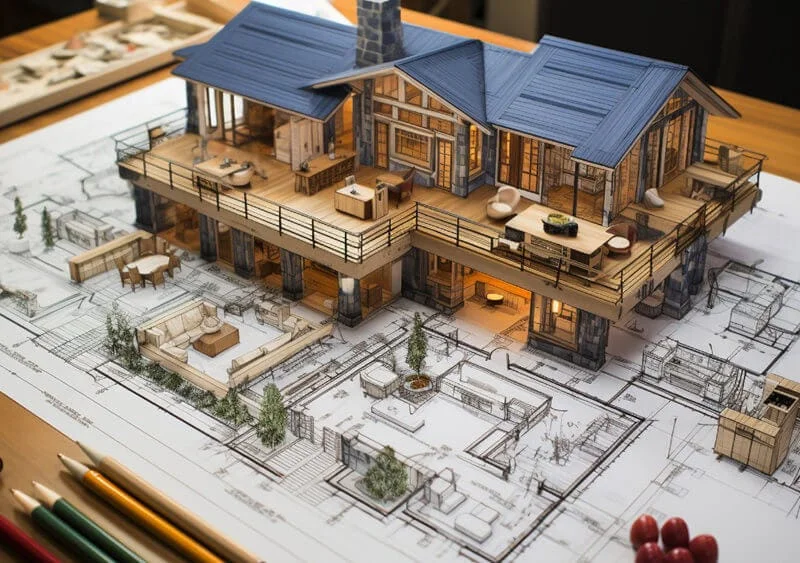
Hãy tưởng tượng bạn đang cố gắng hiểu một thiết kế tòa nhà phức tạp chỉ từ bản thiết kế. Thật khó khăn! Mô hình tỷ lệ làm cho những bản vẽ phẳng đó trở nên sống động. Kiến trúc sư sử dụng mô hình như một cách để bước vào thiết kế của mình, chuyển từ những ý tưởng trừu tượng sang một vật thể hữu hình mà họ có thể nắm giữ, nghiên cứu, và sửa đổi. Như Beth Mills, Giám đốc Modelshop tại Squire & Đối tác, đặt nó:“Chúng tôi tự gọi mình là người mẫu, nhưng chúng tôi thiên về không gian sáng tạo hơn, xưởng hoạt động đầy đủ, Trong khi chúng tôi tạo ra các mô hình kiến trúc và quy mô, chúng tôi có thể làm bất cứ điều gì từ việc tạo nguyên mẫu tay nắm cửa và lắp đặt cửa sổ cho đến đồ nội thất theo yêu cầu riêng cho Squire & Đội ngũ nội thất của đối tác.”Trích dẫn này cho thấy các mô hình giúp thu hẹp khoảng cách giữa ý tưởng mang tính khái niệm và thực tế vật lý của công trình như thế nào.
Trực quan nâng cao và hiểu biết không gian
Các mô hình không chỉ thể hiện một tòa nhà sẽ trông như thế nào; họ giúp các kiến trúc sư *cảm nhận* không gian. Bằng cách giữ và xoay mô hình, kiến trúc sư có được cảm nhận thực sự về kích thước của tòa nhà, tỷ lệ, và các phần khác nhau liên quan với nhau như thế nào. Họ có thể thấy ánh sáng mặt trời có thể chiếu vào phòng như thế nào hoặc cầu thang kết nối các tầng khác nhau như thế nào.- Hiểu biết trực quan về quy mô: Một mô hình ngay lập tức truyền tải quy mô và quy mô của dự án theo cách mà bản vẽ không thể làm được. Bạn ngay lập tức nắm bắt được căn phòng rộng bao nhiêu hoặc tòa nhà sẽ cao bao nhiêu.
- Trải nghiệm không gian ba chiều: Khác với màn hình phẳng, một mô hình cho phép bạn dạo quanh thiết kế, nhìn nó từ những góc độ và quan điểm khác nhau. Điều này giúp kiến trúc sư hiểu được cách mọi người sẽ di chuyển và trải nghiệm không gian.
- Hình dung ánh sáng và bóng tối: Kiến trúc sư có thể đặt mô hình dưới đèn hoặc mang ra ngoài để xem ánh sáng tự nhiên sẽ tương tác với tòa nhà như thế nào vào các thời điểm khác nhau trong ngày. Điều này giúp họ đưa ra quyết định về vị trí đặt cửa sổ và thiết bị che nắng.
Tạo điều kiện phát triển và cải tiến thiết kế
Người mẫu không chỉ để trưng bày; chúng là công cụ làm việc. Kiến trúc sư sử dụng chúng để thử các ý tưởng thiết kế khác nhau, nhanh chóng thử nghiệm các biến thể và xem kết quả theo ba chiều. Cách tiếp cận thực hành này thường dẫn đến những khám phá và cải tiến bất ngờ.- Thử nghiệm và lặp lại: Thật dễ dàng để thực hiện các thay đổi đối với mô hình vật lý. Kiến trúc sư có thể trao đổi các bộ phận, thêm các yếu tố mới, hoặc điều chỉnh tỷ lệ, nhanh chóng khám phá các tùy chọn thiết kế khác nhau.
- Xác định lỗi thiết kế: Xây dựng mô hình thường bộc lộ những vấn đề không rõ ràng trên giấy hoặc màn hình. Một kiến trúc sư có thể phát hiện ra rằng hành lang quá hẹp hoặc đường mái không hoạt động hiệu quả.. Những khám phá này có thể được thực hiện sớm trong quá trình thiết kế, tiết kiệm thời gian và tiền bạc sau này.
- Giải quyết vấn đề: Việc xây dựng mô hình buộc kiến trúc sư phải suy nghĩ xuyên suốt quá trình xây dựng. Họ phải tìm ra cách các phần khác nhau khớp với nhau, có thể dẫn tới những thiết kế thực tế hơn và dễ xây dựng hơn.
Một công cụ mạnh mẽ để giao tiếp và cộng tác
Giải thích một thiết kế phức tạp cho một người không phải là kiến trúc sư có thể là một thách thức. Mô hình quy mô làm cho nó dễ dàng hơn nhiều. Chúng cung cấp một ngôn ngữ hình ảnh chung mà mọi người đều có thể hiểu được, từ khách hàng đến công nhân xây dựng.- Bài thuyết trình của khách hàng: Một mô hình được xây dựng tốt có thể có sức thuyết phục đáng kinh ngạc. Khách hàng có thể xem và chạm vào thiết kế, làm cho nó cảm thấy thực tế và thú vị hơn. Như một khách hàng của kiến trúc sư đã nói, “Có điều gì đó khi cầm một mô hình trên tay. Bạn không cần phải giải thích bất cứ điều gì. Bạn chỉ cần hiểu nó.”
- Hợp tác nhóm: Mô hình giúp kiến trúc sư, kỹ sư, và các chuyên gia tư vấn khác làm việc cùng nhau hiệu quả hơn. Họ cung cấp một điểm tham chiếu chung cho các cuộc thảo luận, đảm bảo mọi người ở trên cùng một trang.
- Sự tham gia của công chúng: Đối với các dự án lớn, các mô hình có thể được sử dụng để cho công chúng thấy những gì đang được lên kế hoạch. Điều này giúp mọi người hiểu được tác động của dự án đối với cộng đồng của họ và có thể tạo ra sự hỗ trợ.
Các loại mô hình quy mô và ứng dụng của chúng
Các loại mô hình tỷ lệ chính được sử dụng trong kiến trúc là gì?
Mô hình khái niệm hoặc đại chúng
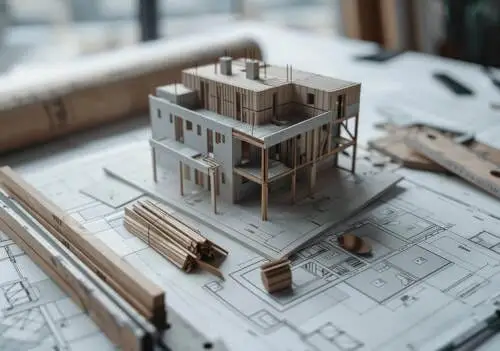
Đây là những mô hình đầu tiên mà một kiến trúc sư có thể xây dựng. Chúng giống như những bản phác thảo thô sơ của thế giới người mẫu. Được làm nhanh chóng từ những vật liệu đơn giản như bìa cứng hoặc xốp, họ khám phá hình dạng cơ bản, kích cỡ, và bố trí tòa nhà.- Mục đích: Để nhanh chóng thử nghiệm các ý tưởng khác nhau và xem chúng trông như thế nào trong không gian ba chiều.
- Đặc trưng: Đơn giản, trừu tượng, và thường thiếu chi tiết.
- Nguyên vật liệu: Tấm bìa cứng, bọt, Gỗ Balsa.
Mô hình làm việc hoặc học tập
Khi thiết kế phát triển, kiến trúc sư xây dựng các mô hình chi tiết hơn để nghiên cứu các khía cạnh cụ thể của dự án. Những mô hình này giúp họ tinh chỉnh thiết kế, tìm hiểu chi tiết cấu trúc, và giải quyết vấn đề.- Mục đích: Để phân tích và cải tiến thiết kế, kiểm tra kỹ thuật thi công, và giải quyết các thách thức thiết kế.
- Đặc trưng: Chi tiết hơn các mô hình khối, có thể bao gồm các yếu tố cấu trúc và một số tính năng nội thất.
- Nguyên vật liệu: Bảng bọt, gỗ, nhựa, 3Các bộ phận in D.
Mô hình thuyết trình
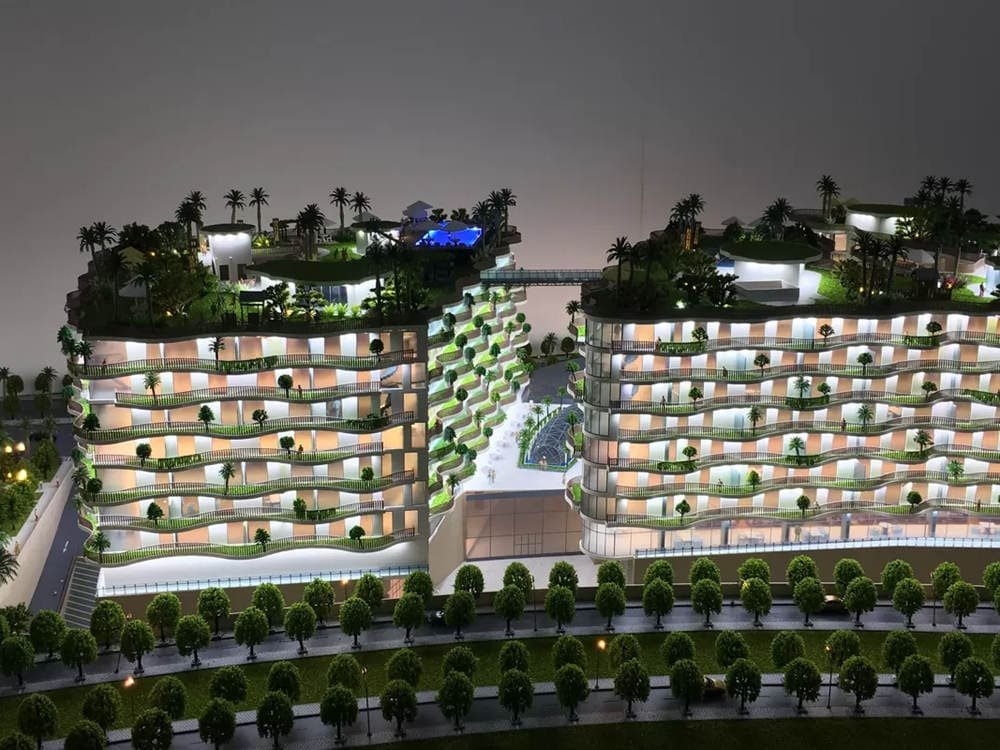
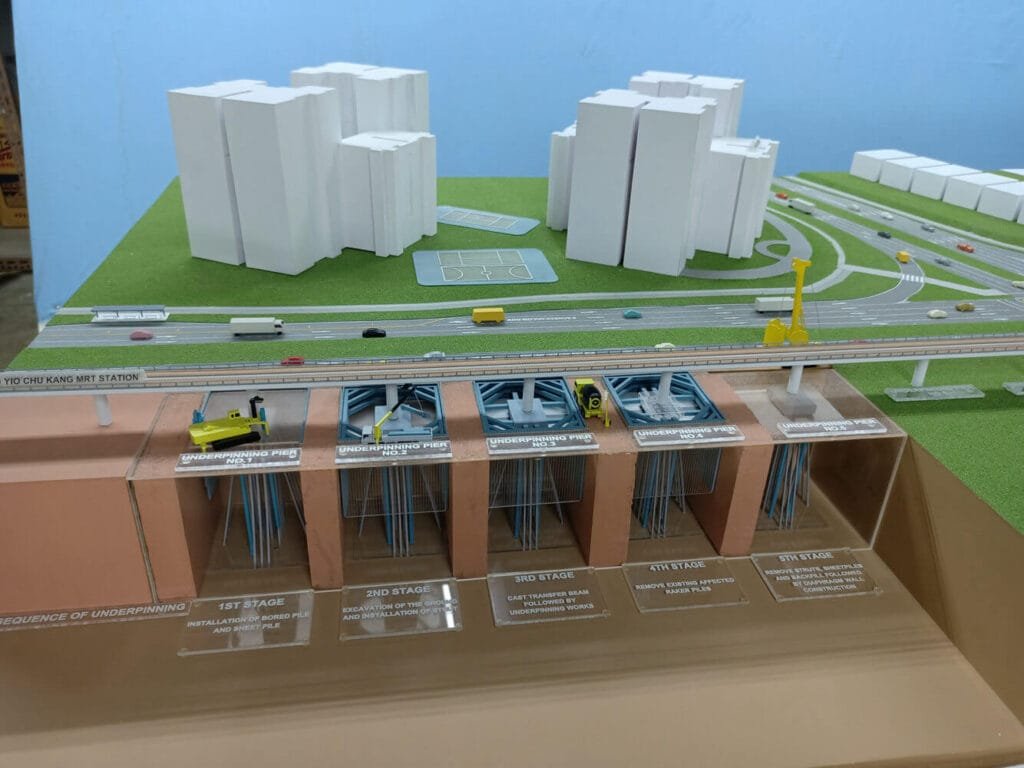
Đây là những người trình diễn. Được xây dựng để gây ấn tượng với khách hàng, nhà đầu tư, hoặc công chúng, những mô hình này rất chi tiết và thực tế. Chúng thường bao gồm cảnh quan, những con người nhỏ bé, và thậm chí cả đèn làm việc.- Mục đích: Để giới thiệu thiết kế cuối cùng một cách hấp dẫn và thuyết phục.
- Đặc trưng: Rất chi tiết, thực tế, thường bao gồm cảnh quan, ánh sáng, và những hình ảnh thu nhỏ.
- Nguyên vật liệu: Chất liệu cao cấp như gỗ, acrylic, kim loại, và các thành phần in 3D.
Mô hình chi tiết
Thỉnh thoảng, kiến trúc sư cần tập trung vào một phần cụ thể của tòa nhà, như một mặt tiền phức tạp hoặc một không gian nội thất phức tạp. Các mô hình chi tiết được xây dựng ở quy mô lớn hơn để kiểm tra các yếu tố này một cách chặt chẽ.- Mục đích: Để nghiên cứu và cải tiến các tính năng thiết kế cụ thể, chẳng hạn như thiết kế cửa sổ độc đáo hoặc cấu trúc mái nhà phức tạp.
- Đặc trưng: quy mô lớn hơn, rất chi tiết, tập trung vào một phần cụ thể của tòa nhà.
- Nguyên vật liệu: Gỗ, nhựa, kim loại, 3Các bộ phận in D.
Mô hình đô thị hoặc địa điểm
Những mô hình này cho thấy một tòa nhà hoặc khu phát triển phù hợp với môi trường xung quanh như thế nào. Chúng đặc biệt hữu ích cho các dự án lớn hoặc khi mối quan hệ giữa tòa nhà và môi trường của nó là rất quan trọng..- Mục đích: Để hình dung dự án trong bối cảnh của nó, hiểu tác động của nó đối với khu vực xung quanh, và kế hoạch phát triển trang web.
- Đặc trưng: Có thể bao gồm từ các mô hình khối đơn giản đến các mô hình trình bày rất chi tiết về địa điểm và các tòa nhà xung quanh.
- Nguyên vật liệu: Tấm bìa cứng, bọt, gỗ, nhựa, 3Các bộ phận in D.
Mô hình nội thất
Những mô hình này tập trung vào bên trong tòa nhà, thể hiện cách bố trí các phòng, nội thất, và kết thúc. Họ giúp khách hàng hiểu thiết kế nội thất và đưa ra quyết định về vật liệu và đồ đạc.- Mục đích: Để hình dung và tinh chỉnh thiết kế nội thất của một tòa nhà.
- Đặc trưng: Thể hiện chi tiết các không gian nội thất, thường bao gồm đồ nội thất, đồ đạc, và kết thúc.
- Nguyên vật liệu: Gỗ, nhựa, vải vóc, 3Các bộ phận in D.
Mô hình lai
Những mô hình này kết hợp tốt nhất cả thế giới vật lý và kỹ thuật số. Ví dụ, một mô hình vật lý có thể có các phép chiếu kỹ thuật số được ánh xạ lên nó, hoặc nó có thể được tích hợp với thực tế tăng cường (AR) công nghệ.- Mục đích: Để tạo các bài thuyết trình mang tính tương tác và hấp dẫn, kết hợp tính hữu hình của mô hình vật lý với tính linh hoạt của thông tin kỹ thuật số.
- Đặc trưng: Kết hợp các thành phần mô hình vật lý với các phép chiếu kỹ thuật số, lớp phủ AR, hoặc các công nghệ tương tác khác.
- Nguyên vật liệu: Vật liệu tạo mô hình truyền thống kết hợp với màn hình kỹ thuật số và hệ thống trình chiếu.
Vật liệu và tay nghề làm mô hình
Những vật liệu nào được sử dụng để xây dựng mô hình quy mô kiến trúc?
Vật liệu truyền thống:
Các nhà sản xuất mô hình có nhiều loại vật liệu để lựa chọn, mỗi loại có đặc tính và công dụng riêng. Dưới đây là một số cái phổ biến nhất:| Vật liệu | Sự miêu tả | Thuận lợi | Bất lợi | Sử dụng chung |
|---|---|---|---|---|
| Tấm bìa cứng | Vật liệu làm từ giấy được làm từ các lớp bột giấy. | Rẻ tiền, Nhẹ, dễ dàng cắt và tạo hình. | Không bền lắm, dễ bị hư hại do độ ẩm. | Mô hình khái niệm, nghiên cứu đại chúng, mô hình tạm thời. |
| Bảng bọt | Vật liệu nhẹ bao gồm lõi xốp polystyrene được kẹp giữa các lớp giấy hoặc nhựa. | Nhẹ, dễ dàng cắt và tạo hình, tương đối rẻ, cung cấp một bề mặt mịn. | Có thể dễ dàng bị móp hoặc hư hỏng, không bền như các vật liệu khác. | Mô hình khối lượng, mô hình nghiên cứu, Mô hình trình bày. |
| Gỗ | Một vật liệu tự nhiên có thể cắt được, chạm khắc, và được tạo thành nhiều hình dạng khác nhau. (Balsa, gỗ trầm thường được sử dụng) | Mạnh, bền, có thể được chà nhám và sơn để đạt được nhiều kiểu hoàn thiện khác nhau, mang tính thẩm mỹ. | Có thể đắt hơn các vật liệu khác, đòi hỏi nhiều kỹ năng hơn để làm việc với. | Mô hình trình bày, mô hình chi tiết, mô hình đòi hỏi trình độ tay nghề cao. |
| Nhựa | Một vật liệu tổng hợp có thể đúc được, ép đùn, hoặc đúc thành nhiều hình dạng khác nhau. (Styrene, acrylic là phổ biến) | Bền, chống nước, có thể trong suốt hoặc mờ đục, có sẵn trong nhiều màu sắc và kết cấu. | Có thể khó cắt và tạo hình hơn các vật liệu khác, có thể yêu cầu chất kết dính chuyên dụng. | Mô hình trình bày, mô hình chi tiết, mô hình yêu cầu độ trong suốt hoặc bề mặt hoàn thiện cụ thể. |
| Đất sét | Một cách tự nhiên, vật liệu đất có thể được đúc và tạo hình khi ướt và cứng lại bằng cách sấy khô hoặc nung. | Dễ dàng tạo khuôn, có thể được sử dụng để tạo ra các hình dạng và kết cấu hữu cơ, rẻ tiền. | Có thể dễ vỡ khi khô, đòi hỏi kỹ năng làm việc với. | Mô hình khái niệm, mô hình nghiên cứu, chi tiết điêu khắc. |
| Kim loại | Một người mạnh mẽ, vật liệu bền có thể cắt được, uốn cong, và hàn thành nhiều dạng khác nhau. | Cực kỳ bền, có thể được sử dụng để tạo ra các chi tiết phức tạp, mang tính thẩm mỹ. | Có thể đắt tiền, đòi hỏi các công cụ và kỹ năng chuyên dụng để làm việc với. | Mô hình chi tiết, các yếu tố cấu trúc, mô hình đòi hỏi độ chính xác và độ bền cao. |
Vai trò của chất kết dính và kỹ thuật hoàn thiện
Xây dựng mô hình không chỉ là cắt và tạo hình vật liệu; đó còn là việc kết nối chúng lại với nhau một cách an toàn và bổ sung các bước hoàn thiện để làm cho mô hình trở nên sống động.- Chất kết dính: Việc lựa chọn loại keo phù hợp là rất quan trọng.
- Keo PVA: Một sự lựa chọn toàn diện tốt cho giấy, Tấm bìa cứng, và gỗ. Nó khô rõ ràng và tương đối mạnh.
- keo siêu dính (Cyanoacrylat): Lý tưởng để liên kết nhựa và kim loại. Nó tạo ra một liên kết rất bền gần như ngay lập tức nhưng có thể dễ gãy..
- Xịt keo: Hữu ích cho việc gắn lớn, bề mặt phẳng, giống như dán mặt tiền bằng giấy lên mặt sau bằng tấm xốp.
- Keo nóng: Nhanh chóng và dễ dàng để dán tạm thời hoặc gắn các bộ phận nhẹ.
- Kỹ thuật hoàn thiện: Những điều này làm cho người mẫu trông bóng bẩy và chuyên nghiệp.
- Chà nhám: Làm mịn các cạnh thô và tạo mối nối liền mạch.
- Bức vẽ: Thêm màu sắc và tính chân thực vào mô hình. Các loại sơn khác nhau (acrylics, men) được sử dụng tùy thuộc vào vật liệu được sơn.
- Hoạ tiết: Tạo bề mặt thực tế như gạch, bê tông, hay thảm thực vật sử dụng sơn chuyên dụng, bột, hoặc các vật liệu khác.
- phong hóa: Làm cho người mẫu trông già đi hoặc cũ kỹ, có thể hữu ích cho các dự án lịch sử hoặc để thêm cảm giác hiện thực.
Những công cụ nào được sử dụng trong việc tạo mô hình kiến trúc?
Công cụ cắt
Cắt chính xác là nền tảng để tạo mô hình. Kiến trúc sư và người tạo mô hình sử dụng nhiều công cụ khác nhau để đạt được sự sạch sẽ, vết cắt chính xác:- Dao thủ công: Đây là những con ngựa của việc tạo ra mô hình, dùng để cắt giấy, Tấm bìa cứng, Bảng bọt, và nhựa mỏng. Chúng đi kèm với lưỡi dao có thể thay thế để duy trì độ sắc nét.
- Dao mổ: Được sử dụng cho công việc rất tốt và chi tiết, chẳng hạn như cắt các cửa sổ nhỏ hoặc các mẫu phức tạp.
- Kéo: Hữu ích để cắt giấy và vật liệu mỏng.
- Thảm cắt: Thảm tự phục hồi bảo vệ bề mặt làm việc và tạo nền tảng ổn định để cắt. Chúng cũng giúp duy trì độ sắc bén của lưỡi dao.
Công cụ đo lường
Các phép đo chính xác là điều cần thiết để đảm bảo rằng mô hình được chia tỷ lệ và cân đối chính xác.- Thước kẻ: Thước kim loại được ưa chuộng vì độ bền và cạnh thẳng.
- Đặt hình vuông: Dùng để vẽ và đo góc vuông.
- La bàn: Dùng để vẽ hình tròn và hình cung.
- thước đo góc: Dùng để đo và vẽ góc.
- Caliper kỹ thuật số: Để đo chính xác các bộ phận nhỏ và độ dày.
Công cụ nâng cao:
Công nghệ đã cách mạng hóa việc tạo ra mô hình, giới thiệu các công cụ mang lại độ chính xác và hiệu quả cao hơn.- Cắt laser: Công nghệ này sử dụng chùm tia laser để cắt các thiết kế phức tạp thành nhiều loại vật liệu khác nhau, bao gồm cả gỗ, acrylic, và bìa cứng.
- Thuận lợi: Độ chính xác cao, có thể tạo ra những hình dạng rất chi tiết và phức tạp, nhanh chóng và hiệu quả.
- Công dụng: Cắt mặt tiền, tạo ra các mẫu phức tạp, cắt nhiều phần giống hệt nhau.
- Vật liệu: Ván ép, Laser Trotec cung cấp nhiều loại tấm acrylic có thể cắt bằng laser.
- 3D in: Công nghệ này xây dựng các đối tượng theo từng lớp từ một tệp kỹ thuật số.
- Thuận lợi: Có thể tạo các hình dạng phức tạp và hữu cơ mà khó hoặc không thể thực hiện bằng tay, cho phép tạo mẫu nhanh.
- Công dụng: Tạo các thành phần xây dựng chi tiết, in các bộ phận tùy chỉnh, tạo mô hình khối lượng phức tạp.
- Nguyên vật liệu: Các loại nhựa khác nhau (PLA, Abs, PETG), nhựa, và thậm chí cả kim loại. Bạn có thể tìm thấy nhiều lựa chọn về sợi in 3D tại vấn đềtin tặc.
Vật lý vs. Mô hình kỹ thuật số: Hiểu những lợi thế
Tại sao các mô hình quy mô vật lý vẫn phù hợp trong thời đại thiết kế kỹ thuật số?
Sự khác biệt hữu hình: Sự xúc giác và trực giác không gian
Có điều gì đó đặc biệt khi cầm một vật thể trên tay. Nó thu hút các giác quan của bạn theo cách mà màn hình máy tính không thể làm được.- Trải nghiệm xúc giác: Việc chạm và thao tác trên một mô hình vật lý sẽ mang lại cho bạn kết quả trực tiếp, hiểu biết trực quan về thiết kế. Bạn có thể cảm nhận được sức nặng của tòa nhà, kết cấu của vật liệu, và mối quan hệ giữa các bộ phận khác nhau.
“Bàn tay, phối hợp với tâm trí, vẫn là một công cụ mạnh mẽ để sáng tạo và hiểu biết.”
- Trực giác không gian: Bằng cách di chuyển xung quanh một mô hình vật lý, bạn hiểu rõ hơn về quy mô của tòa nhà và các không gian khác nhau liên quan với nhau như thế nào. Đây là điều mà ngay cả những trải nghiệm thực tế ảo tốt nhất cũng phải vật lộn để tái tạo.
Tăng cường sự tương tác và giao tiếp với khách hàng
Mô hình vật lý có thể là công cụ vô cùng hiệu quả để giao tiếp với khách hàng, đặc biệt là những người không quen đọc bản vẽ kiến trúc.- Hình ảnh rõ nét: Một mô hình cung cấp một cách rõ ràng, sự thể hiện rõ ràng của thiết kế mà bất cứ ai cũng có thể hiểu được.
- Kết nối cảm xúc: Việc nhìn và chạm vào mô hình vật lý có thể tạo ra kết nối cảm xúc mạnh mẽ hơn với dự án, làm cho khách hàng đầu tư nhiều hơn vào thiết kế.
- Phản hồi và hợp tác: Các mô hình hỗ trợ các cuộc trò chuyện hiệu quả hơn với khách hàng. Họ có thể chỉ vào các khu vực cụ thể, đặt câu hỏi, và đề xuất những thay đổi một cách rất trực tiếp.
Một kiểu sáng tạo khác: Giá trị của “Làm”
Quá trình xây dựng một mô hình vật lý tự nó là một hành động sáng tạo. Đó là một kiểu sáng tạo khác với những gì bạn có được khi làm việc trên máy tính.- Khám phá thực hành: Làm việc với các vật liệu vật lý buộc bạn phải suy nghĩ khác về thiết kế. Bạn phải xem xét mọi thứ sẽ được xây dựng như thế nào, không chỉ là cách họ nhìn trên màn hình.
“Có tốc độ và tính trực quan để tạo ra một mô hình khối, giúp việc khám phá các giải pháp thiết kế khác nhau trở nên dễ dàng hơn. Một mô hình 'sai' thường có thể cho bạn biết nhiều thông tin như một mô hình 'đúng'.”
- Những khám phá bất ngờ: Quá trình thực hiện có thể dẫn đến những tai nạn thú vị và những ý tưởng mới mà có thể bạn chưa nghĩ ra được.
Ngoài màn hình: Những cân nhắc trong thế giới thực
Các mô hình vật lý có thể giúp kiến trúc sư nghiên cứu các khía cạnh của thiết kế khó mô phỏng chính xác trên máy tính.- Nghiên cứu ánh sáng tự nhiên: Bằng cách đặt mô hình dưới nguồn sáng, Các kiến trúc sư có thể thấy ánh sáng mặt trời sẽ chiếu vào tòa nhà như thế nào và bóng sẽ đổ như thế nào vào những thời điểm khác nhau trong ngày.
- Tính trọng yếu: Trong khi các mô hình kỹ thuật số có thể mô phỏng vật liệu, họ không thể tái tạo hoàn toàn cách nhìn và cảm nhận của vật liệu thực trong các điều kiện ánh sáng khác nhau.

Tác động của công nghệ đến việc tạo mô hình kiến trúc
Các công nghệ như in 3D và cắt laser được sử dụng như thế nào trong chế tạo mô hình?
Chế tạo kỹ thuật số: Tốc độ, Độ chính xác, và độ phức tạp
Các công cụ chế tạo kỹ thuật số đang cách mạng hóa cách xây dựng mô hình. Chúng cho phép mức độ chi tiết và độ phức tạp mà việc đạt được bằng tay là cực kỳ khó khăn..- 3D in:
- Tạo nguyên mẫu nhanh: Kiến trúc sư có thể nhanh chóng in ra các phiên bản khác nhau của thiết kế để kiểm tra và so sánh chúng.
- Hình dạng phức tạp: 3In D có thể tạo ra các hình dạng hữu cơ và phức tạp mà sẽ rất khó thực hiện bằng các phương pháp truyền thống.
- Bộ phận tùy chỉnh: Kiến trúc sư có thể thiết kế và in các thành phần độc đáo phù hợp với một dự án cụ thể.
- Nguyên vật liệu: Các vật liệu in 3D phổ biến cho mô hình kiến trúc bao gồm:
- PLA (Axit polylactic): Một loại nhựa phân hủy sinh học, dễ in và có nhiều màu sắc. Đó là một lựa chọn tốt để làm mô hình chung. (Nguồn: All3DP)
- Abs (Acrylonitrile Butadiene Styrene): Mạnh mẽ hơn, nhựa bền hơn thường được sử dụng cho các bộ phận chức năng. (Nguồn: chiến lược)
- Nhựa: Được sử dụng trong in SLA và DLP, nhựa tạo ra các bản in có độ phân giải rất cao với các chi tiết đẹp. Nó thường được sử dụng cho các mô hình thuyết trình. (Nguồn: Formlabs)
- Cắt laser:
- Cắt chính xác: Máy cắt laser có thể cắt các hình dạng và hoa văn cực kỳ chính xác thành nhiều loại vật liệu khác nhau.
- Hiệu quả: Họ có thể nhanh chóng cắt nhiều phần giống hệt nhau, tiết kiệm thời gian và công sức.
- Tính linh hoạt của vật liệu: Máy cắt laser có thể được sử dụng trên gỗ, acrylic, Tấm bìa cứng, Và thậm chí một số loại vải.
- Nguyên vật liệu: Các vật liệu cắt laser phổ biến cho mô hình kiến trúc bao gồm:
- Acrylic: Thường dùng cho windows, mặt tiền, và các yếu tố trong suốt hoặc mờ khác. (Nguồn: Tốt)
- Ván ép: Một vật liệu linh hoạt có thể được sử dụng cho các phần tử kết cấu, mặt tiền, và cảnh quan. (Nguồn: phát minh)
- Giấy bìa/giấy: Được sử dụng để tạo bề mặt kết cấu, thảm thực vật, hoặc các chi tiết phức tạp. (Nguồn: Thủy triều Cerulean)
Sự trỗi dậy của các mô hình hybrid: Pha trộn vật lý và kỹ thuật số
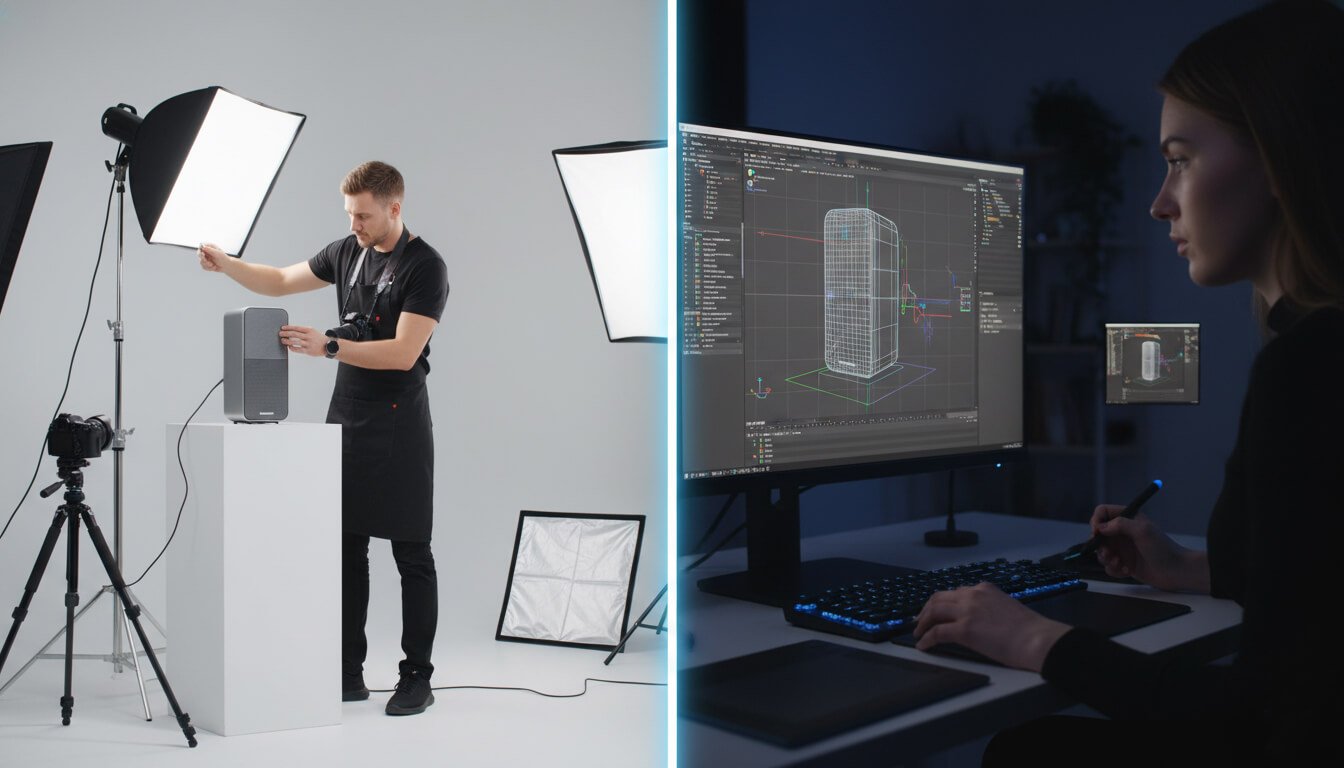
Những bước phát triển thú vị nhất trong việc tạo mô hình thường liên quan đến việc kết hợp các yếu tố vật lý và kỹ thuật số.. Điều này tạo ra những khả năng mới cho sự tương tác và trực quan hóa.- Ánh xạ chiếu: Chiếu hình ảnh kỹ thuật số lên mô hình vật lý có thể thêm màu sắc, kết cấu, Và thậm chí hoạt hình. Điều này có thể được sử dụng để hiển thị mặt tiền của tòa nhà có thể thay đổi như thế nào với các điều kiện ánh sáng khác nhau hoặc để hiển thị thông tin về dự án.
- Thực tế tăng cường (AR): AR phủ thông tin kỹ thuật số lên thế giới thực. Bằng cách sử dụng ứng dụng AR, bạn có thể xem mô hình vật lý và xem nội dung số bổ sung, chẳng hạn như hoạt hình 3D, trực quan hóa dữ liệu, hoặc các yếu tố tương tác.
- Mô hình tương tác: Một số kiểu máy kết hợp cảm biến và thiết bị điện tử cho phép chúng phản hồi khi chạm hoặc các đầu vào khác. Ví dụ, chạm vào một bộ phận cụ thể của mô hình có thể kích hoạt màn hình ánh sáng hoặc kích hoạt video trên màn hình gần đó.
Thực tế ảo và tăng cường: Các chiều hướng trực quan mới
Công nghệ VR và AR đang thay đổi cách chúng ta trải nghiệm các thiết kế kiến trúc, cung cấp những cách sống động và tương tác để khám phá những không gian chưa được xây dựng.- Thực tế ảo (Vr): VR tạo ra một môi trường kỹ thuật số hoàn toàn đắm chìm. Bằng cách đeo tai nghe VR, bạn có thể “đi qua” một mô hình kỹ thuật số của một tòa nhà, có được cảm giác về quy mô và không gian mà khó đạt được bằng các mô hình hoặc kết xuất truyền thống.
- Thực tế tăng cường (AR): AR phủ nội dung số lên thế giới thực. Bạn có thể sử dụng ứng dụng AR để xem mô hình kỹ thuật số của một tòa nhà được đặt chồng lên địa điểm xây dựng thực tế của nó, cho phép bạn xem nó sẽ phù hợp như thế nào với bối cảnh của nó.
Tương lai của mô hình quy mô trong kiến trúc
Các mô hình quy mô vật lý sẽ trở nên lỗi thời trong tương lai?
Giá trị lâu dài của tính hữu hình
Trong một thế giới ngày càng trở nên kỹ thuật số, ngày càng có nhiều sự đánh giá cao đối với những thứ chúng ta có thể chạm vào và cảm nhận. Các mô hình vật lý mang lại sự kết nối hữu hình với thiết kế mà các mô hình kỹ thuật số không thể sánh được.- Kết nối cảm xúc: Cầm một mô hình vật lý trong tay có thể tạo ra phản ứng cảm xúc mạnh mẽ. Đó là một trải nghiệm khác với việc nhấp qua kết xuất kỹ thuật số.
- Hiểu biết trực quan: Trải nghiệm xúc giác khi tương tác với một mô hình mang lại sự hiểu biết trực quan về thiết kế khó có thể tái tạo bằng kỹ thuật số.
Tăng cường tích hợp với công nghệ kỹ thuật số
Tương lai của việc tạo mô hình có thể sẽ liên quan đến việc tích hợp chặt chẽ hơn nữa với các công cụ kỹ thuật số. Chúng ta sẽ thấy nhiều mẫu xe hybrid kết hợp những gì tốt nhất của cả hai thế giới.- Quy trình làm việc liền mạch: Kiến trúc sư sẽ có thể di chuyển dễ dàng giữa các mô hình vật lý và kỹ thuật số, sử dụng từng cái cho những gì nó làm tốt nhất. Ví dụ, họ có thể in 3D một mô hình từ thiết kế kỹ thuật số, sau đó sử dụng mô hình đó để trình bày với khách hàng, và sau đó kết hợp nó vào trải nghiệm AR.
- Tương tác nâng cao: Các mô hình trong tương lai có thể kết hợp các cảm biến phức tạp hơn, thiết bị điện tử, và màn hình kỹ thuật số, làm cho chúng trở nên tương tác và hấp dẫn hơn.
Tập trung vào tính bền vững
Khi ngành kiến trúc và thiết kế trở nên có ý thức hơn về môi trường, việc tạo mô hình sẽ cần phải thích ứng.- Vật liệu thân thiện với môi trường: Chúng ta có thể sẽ thấy việc sử dụng vật liệu bền vững và tái chế ngày càng tăng trong việc chế tạo mô hình, chẳng hạn như tre, nút chai, và nhựa sinh học.
- Phòng thí nghiệm tre: Cung cấp nhiều loại sản phẩm tre cho nhiều ứng dụng khác nhau.
- làm bằng không khí: Tạo ra vật liệu carbon âm có thể được sử dụng trong xây dựng và thiết kế.
- Thực hành kỹ thuật số có trách nhiệm: Các kiến trúc sư sẽ cần lưu ý đến tác động môi trường của các công cụ kỹ thuật số, bao gồm mức tiêu thụ năng lượng của trung tâm dữ liệu và chất thải điện tử do phần cứng bị loại bỏ.
Tầm quan trọng tiếp tục trong giáo dục, Giao tiếp, và Đổi mới
Mô hình quy mô sẽ tiếp tục là công cụ thiết yếu cho việc giảng dạy, chia sẻ ý tưởng, và vượt qua ranh giới của thiết kế.- Giáo dục kiến trúc: Các mô hình mang lại trải nghiệm học tập thực tế cho học sinh, giúp các em phát triển kỹ năng suy luận không gian và hiểu biết về các nguyên tắc xây dựng.
- Giao tiếp khách hàng: Chúng vẫn là một công cụ mạnh mẽ để giải thích các thiết kế cho khách hàng và thu hút sự đồng tình của họ..
- Sự tham gia của công chúng: Đối với dự án cộng đồng, các mô hình có thể giúp công chúng hiểu và tham gia vào những phát triển mới.
- Khám phá sáng tạo: Việc xây dựng mô hình sẽ tiếp tục là nguồn cảm hứng và sự đổi mới cho các kiến trúc sư.
Phần kết luận
Các mô hình quy mô kiến trúc không còn là di tích lỗi thời. Chúng là những công cụ năng động tiếp tục đóng vai trò quan trọng trong quá trình thiết kế. Chúng giúp kiến trúc sư hình dung, tinh chỉnh, và truyền đạt ý tưởng của họ theo cách mà chỉ riêng các công cụ kỹ thuật số không thể. Trong khi công nghệ đang thay đổi cách chế tạo và sử dụng các mô hình, giá trị cơ bản của mô hình vật lý tồn tại. Khả năng kết nối chúng ta với thiết kế một cách hữu hình, mức độ trực quan đảm bảo rằng nó sẽ vẫn là một phần thiết yếu trong bộ công cụ của kiến trúc sư trong nhiều năm tới.
Sức hấp dẫn lâu dài của các mô hình thu nhỏ nằm ở khả năng độc đáo của chúng trong việc thu hẹp khoảng cách giữa trí tưởng tượng và thực tế.. Họ biến những khái niệm trừu tượng thành những hình thức hữu hình, cho phép kiến trúc sư khám phá, tinh chỉnh, và truyền đạt thiết kế của họ một cách rõ ràng và chính xác. Khi công nghệ tiếp tục phát triển, sự tích hợp của các công cụ vật lý và kỹ thuật số chắc chắn sẽ định hình lại cảnh quan của sự thể hiện kiến trúc. Tuy nhiên, Mong muốn cơ bản của con người về trải nghiệm xúc giác và giá trị vốn có của sáng tạo thực hành cho thấy rằng các mô hình quy mô sẽ tiếp tục giữ một vị trí đặc biệt trong thế giới kiến trúc.
Suy nghĩ của bạn về vai trò của mô hình quy mô trong kiến trúc? Bạn đã từng trải nghiệm trong đó một mô hình vật lý giúp bạn hiểu rõ hơn về thiết kế chưa? Chia sẻ suy nghĩ của bạn trong phần bình luận bên dưới!