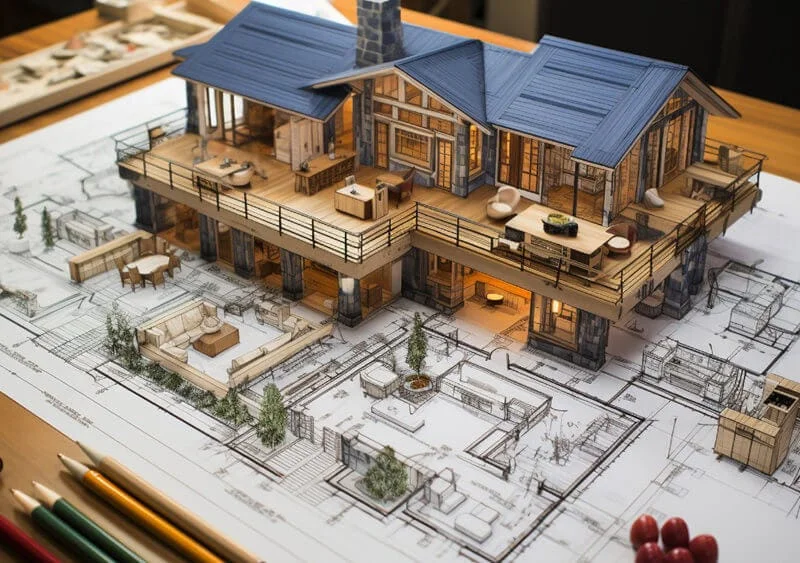
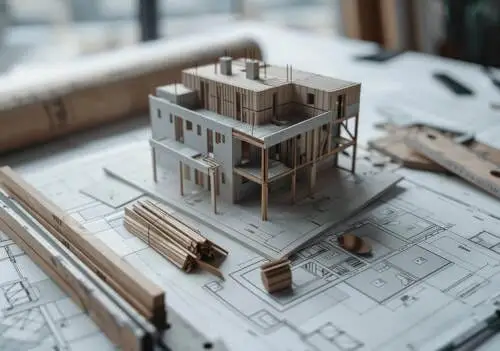
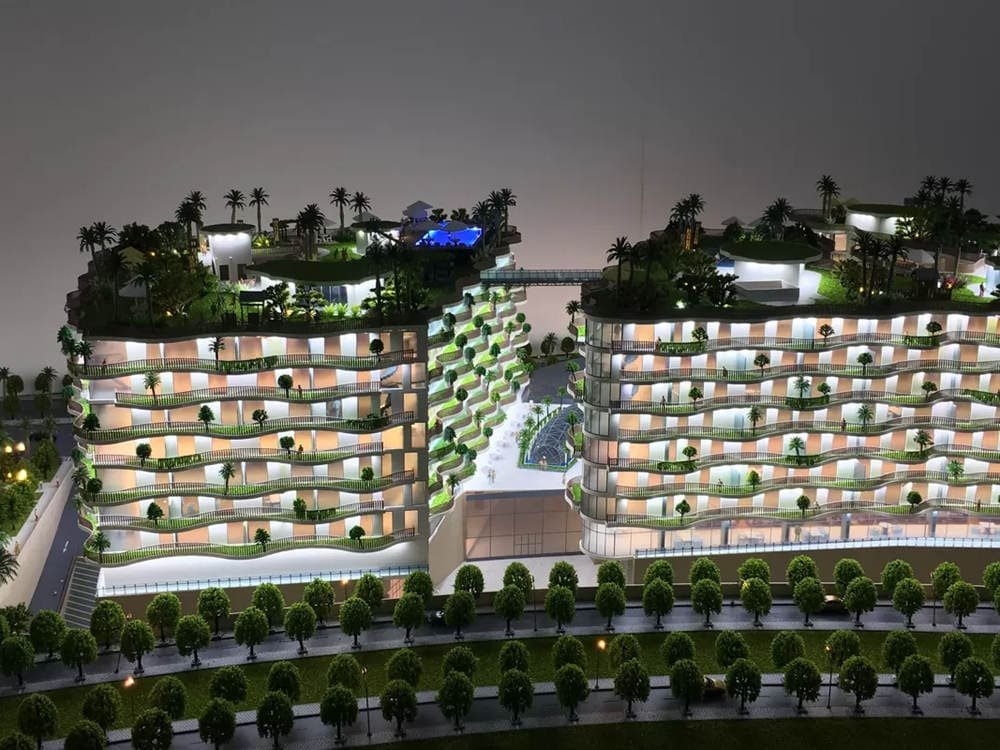
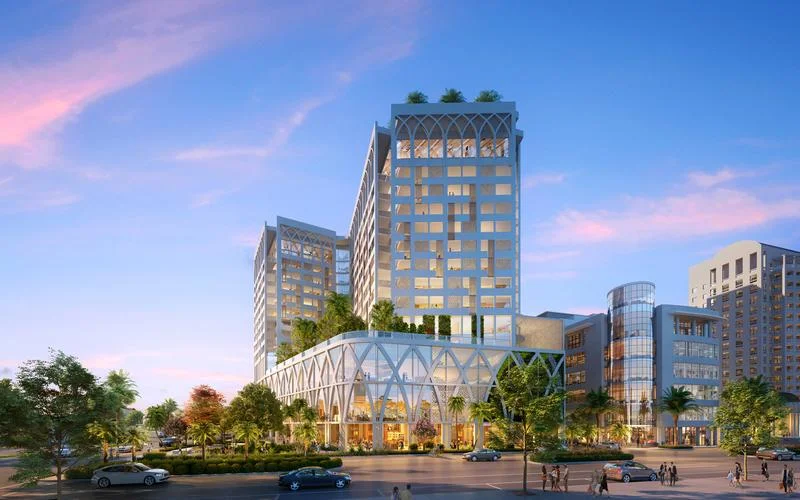
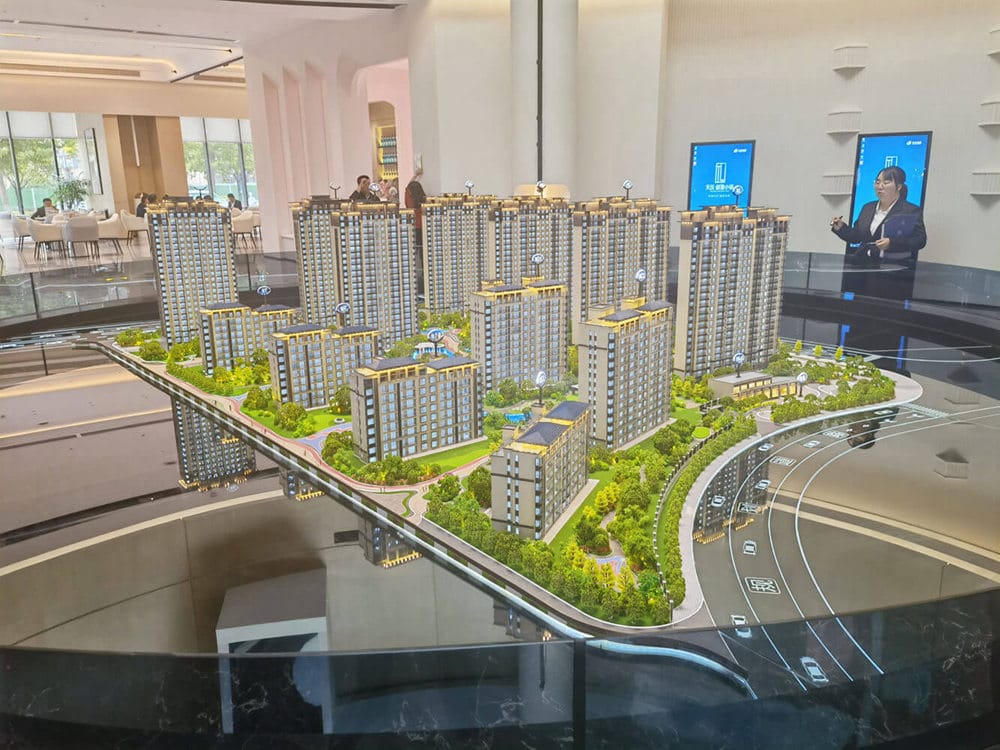
Kết xuất ngoại thất 3D chính xác là gì?
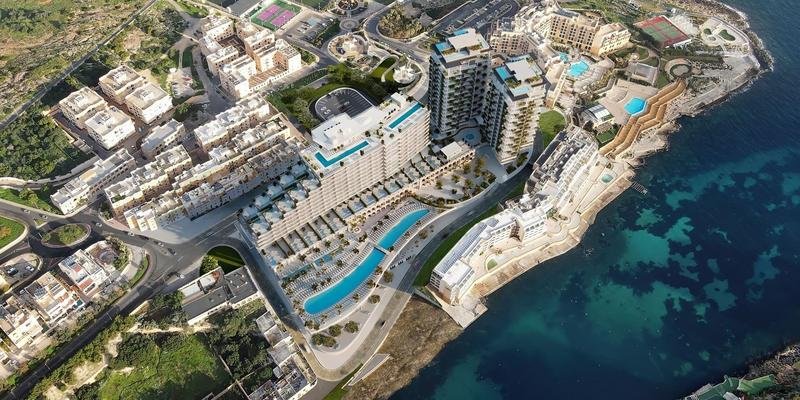
A Foundational Definition: Không chỉ là một bức tranh đẹp
Vì thế,
what are we talking about when we say “3Kết xuất ngoại thất D”? Tại cốt lõi của nó,
it’s a digital process that feels a bit like magic.
Think of a 3D artist as a digital photographer for buildings that haven’t been built yet.
They start with the raw data—the architectural plans and elevations—and use specialized computer software to construct a three-dimensional digital model of a building’s exterior and its surrounding environment. Sau đó,
through a computational process,
this 3D model is transformed into a lifelike,
two-dimensional image or a moving animation.
But it’s so much more than just a digital snapshot.
A great rendering captures the interplay of light and shadow,
the texture of brick and stone,
the reflections in the glass,
and the way the structure sits within its landscape. Nó vượt xa sự biểu diễn đơn giản để tạo ra một
trải nghiệm hình ảnh hữu hình—một điều gợi lên cảm xúc, truyền đạt một lối sống, và làm cho thế giới chưa được xây dựng có cảm giác như thật.
Ba loại kết xuất ngoại thất chính
Trong khi chủ nghĩa quang học là mục tiêu phổ biến nhất, 3Kết xuất D là một loại hình nghệ thuật linh hoạt. Phong cách bạn chọn tùy thuộc vào giai đoạn và mục đích của dự án. Hãy chia nhỏ ba loại chính bạn sẽ gặp.
- Kết xuất ảnh thực tế: Đây là tiêu chuẩn vàng của ngành. Mục tiêu cuối cùng ở đây là tạo ra một hình ảnh chi tiết và sống động đến mức không thể phân biệt được với một bức ảnh thực tế.. Các nghệ nhân tỉ mỉ gia công từng chi tiết, từ sự phong hóa tinh tế trên dầm gỗ cho đến cách những ngọn cỏ đón ánh nắng. Phong cách này không thể thiếu cho các tài liệu tiếp thị cuối cùng, đảm bảo sự chấp thuận của khách hàng, và trình bày trước các ban quản lý nơi tính chân thực và chính xác được đặt lên hàng đầu.
- Hiển thị không ảnh thực (NPR): Thỉnh thoảng, chủ nghĩa siêu thực không phải là mục tiêu, đặc biệt là trong giai đoạn đầu của thiết kế. NPR mang lại tính nghệ thuật hơn, phong cách khái niệm có thể trông giống như một bức tranh màu nước, một bản phác thảo bút chì, hoặc bản vẽ kỹ thuật. Cách tiếp cận này là hoàn hảo để truyền đạt một khái niệm chung hoặc ý định thiết kế mà không bị sa lầy vào việc lựa chọn vật liệu cụ thể. Nó tập trung vào hình thức và khối lượng, cho phép đối thoại thiết kế trôi chảy và sáng tạo hơn.
- Kết xuất thời gian thực: Hãy tưởng tượng bạn đang xem qua thiết kế của mình và thay đổi màu tường hoặc thời gian trong ngày chỉ bằng một nút bấm. Đó là sức mạnh của kết xuất thời gian thực. Sử dụng công nghệ tương tự như trong trò chơi điện tử hiện đại, phần mềm như Lumion, Enscape, Và chuyển động song sinh cho phép hiển thị ngay lập tức. Đây là yếu tố thay đổi cuộc chơi cho các phiên thiết kế tương tác với khách hàng, cho phép lặp lại nhanh chóng và trải nghiệm phong phú, bao gồm cả thực tế ảo (Vr) hướng dẫn.
Tại sao kết xuất ngoại thất 3D lại là một công cụ thiết yếu? Những lợi ích chưa từng có
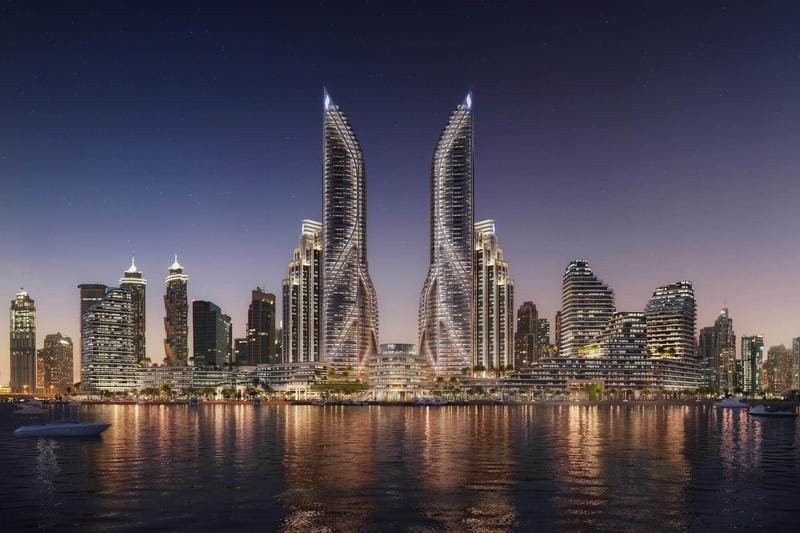
Việc áp dụng kết xuất 3D không chỉ là bắt kịp xu hướng; đó là việc mở khóa một loạt các lợi thế mạnh mẽ có tác động trực tiếp đến kết quả cuối cùng và sự thành công của dự án. Hãy cùng khám phá lý do tại sao công nghệ này lại trở thành tài sản không thể thiếu trong bối cảnh kiến trúc và bất động sản hiện đại.
Mở khóa sự trực quan và rõ ràng chưa từng có
Bản thiết kế truyền thống là một bản đồ trừu tượng gồm các đường và số, thường không thể giải mã được đối với bất cứ ai nếu không được đào tạo kỹ thuật. 3Kết xuất D phá vỡ rào cản này. Họ dịch các kế hoạch kiến trúc phức tạp sang ngôn ngữ hình ảnh phổ quát mà mọi người đều có thể hiểu được. Một khách hàng, một nhà đầu tư, hoặc thành viên hội đồng cộng đồng có thể nắm bắt ngay quy mô, cảm thấy, và sự xuất hiện cuối cùng của một dự án, loại bỏ sự mơ hồ và thúc đẩy sự chia sẻ, tầm nhìn rõ ràng từ ngày đầu tiên.
Thúc đẩy quá trình ra quyết định và sàng lọc thiết kế tốt hơn
Điều gì sẽ xảy ra nếu bạn có thể phát hiện ra một lỗi thiết kế trước khi một viên gạch được đặt?? Với kết xuất 3D, bạn có thể. Các kiến trúc sư và nhà thiết kế có thể tạo ra một bản sao kỹ thuật số cho dự án của họ, cho phép họ thử nghiệm một cách tự do. Họ có thể kiểm tra các vật liệu khác nhau, xem sự thay đổi vị trí cửa sổ ảnh hưởng như thế nào đến ánh sáng tự nhiên, hoặc hình dung cách phối màu mới thay đổi đặc điểm của tòa nhà—tất cả đều không tốn bất kỳ chi phí thực tế nào. Khả năng lặp lại và tinh chỉnh trong không gian ảo này dẫn đến sự chu đáo hơn, chính xác, và cuối cùng là thiết kế tốt hơn.
Đạt được sự tiết kiệm đáng kể về thời gian và chi phí
“Khả năng xác định sớm các sai sót trong thiết kế trong quy trình là rất quan trọng để giảm thiểu sai sót và giảm nhu cầu sửa đổi tốn kém trong quá trình xây dựng.”
Đây là nơi giá trị hiển thị trở nên rõ ràng. Mọi vấn đề gặp phải trong giai đoạn kỹ thuật số đều là những yêu cầu thay đổi tốn kém được tránh trong quá trình xây dựng. Bằng cách ngăn ngừa sai lầm trước khi chúng xảy ra, 3Trực quan hóa trực tiếp làm giảm lãng phí vật liệu, giảm thiểu sự chậm trễ trong xây dựng, và bảo vệ ngân sách dự án. Trong một số trường hợp, sự rõ ràng và hấp dẫn được nâng cao đã được chứng minh là thúc đẩy yêu cầu của người mua nhiều như 30% và dẫn đến tỷ lệ bán hết nhanh hơn đáng kể cho các dự án phát triển mới.
Một thế lực tiếp thị, Việc bán hàng, và phê duyệt dự án
Trong thị trường cạnh tranh ngày nay, bạn không thể bán một giấc mơ với một loạt kế hoạch khô khan. 3
D renderings are the engine of modern architectural marketing.
- Revolutionizing Real Estate Marketing: High-quality visuals are no longer a luxury; they are an expectation. Renderings create captivating content for websites, tài liệu quảng cáo, Phương tiện truyền thông xã hội, và biển quảng cáo. They enable developers to launch powerful pre-selling campaigns long before construction is complete. A compelling case study is the Skyline Tower in New York, which used photorealistic renderings to pre-sell over $223 million worth of units before the building was finished. This is the power of selling a tangible, visualized future.
- Streamlining Approvals: Presenting a lifelike rendering to a planning committee or a group of investors is far more persuasive than showing them line drawings. The visual clarity aligns expectations, answers questions before they are asked, và xây dựng niềm tin vào khả năng tồn tại của dự án. Điều này làm thông thoáng con đường đảm bảo giấy phép, tài trợ, và sự tham gia của các bên liên quan, dẫn đến tỷ lệ phê duyệt dự án cao hơn.
Kích hoạt tùy chỉnh và bản địa hóa hiệu quả
Một tòa nhà không tồn tại trong chân không. Nó cần phải nói chuyện với môi trường và đối tượng mục tiêu của nó. 3Kết xuất D giúp thực hiện được điều này với độ chính xác đáng kinh ngạc. Ví dụ, trong thị trường kiến trúc Ấn Độ đa dạng, trình kết xuất có thể tích hợp liền mạch các yếu tố thiết kế truyền thống như *jaalis* trang trí công phu hoặc kết hợp các nguyên tắc Vastu Shastra. Họ có thể kiểm tra các vật liệu địa phương như đá sa thạch hoặc gỗ tếch để xem chúng trông như thế nào trong điều kiện khí hậu khu vực. Mức độ tùy chỉnh này đảm bảo rằng dự án cuối cùng tạo được tiếng vang sâu sắc với sở thích về văn hóa và thẩm mỹ của thị trường mục tiêu..
Ai được hưởng lợi từ hình ảnh ngoại thất 3D?
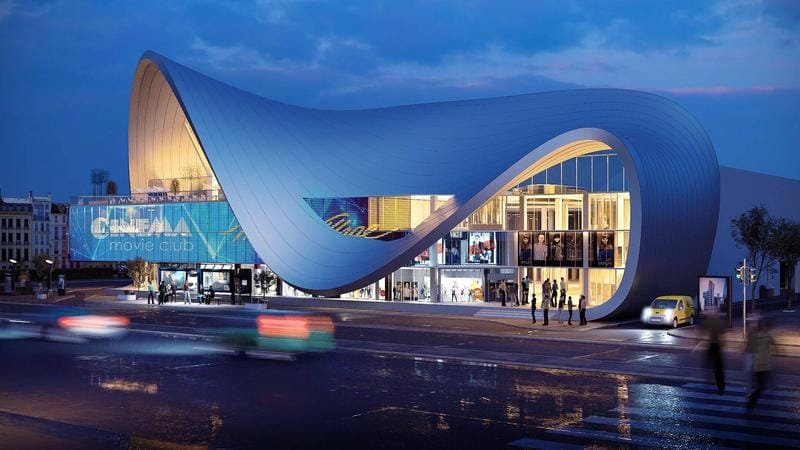 The impact of 3D exterior rendering extends across the entire ecosystem of building and development
.
It’s a multidisciplinary tool that provides unique,
game-changing advantages to a wide range of professionals and stakeholders.
A Multidisciplinary Game-Changer
Kiến trúc sư & Nhà thiết kế
Dành cho kiến trúc sư và nhà thiết kế, 3
D rendering is a digital sandbox for creativity.
It’s the ultimate tool for design exploration,
allowing them to push boundaries and experiment with forms, nguyên vật liệu,
and light in ways that were previously impossible.
It’s also their primary communication device,
translating their complex vision into a stunning,
easy-to-understand presentation that wows clients and builds a powerful,
visually-rich portfolio.
Real Estate Developers & Marketers
Developers and marketers live and breathe by their ability to sell a vision. 3
D rendering is their most powerful asset.
It enables them to create compelling marketing campaigns and begin pre-sales long before breaking ground,
securing crucial early-stage capital. Đối với họ,
renderings aren’t just pictures;
they are investment tools that attract buyers,
justify premium pricing,
and deliver a higher return on investment.
Construction Firms & Builders
On the ground,
clarity is everything.
Builders and construction firms use 3D visualizations for better project planning and coordination.
By seeing a detailed model of the final product,
they can anticipate potential construction challenges,
optimize resource allocation,
and avoid costly on-site errors.
It provides a clear visual reference that helps manage client expectations and ensures the entire team is building toward the same goal.
Các nhà hoạch định đô thị & Municipalities
When planning a new community hub or a large-scale development,
visualizing its impact is essential.
Urban planners use 3D renderings to see how a new project will fit into the existing city fabric.
These visuals are critical for public consultations,
allowing them to clearly communicate proposed changes to the community and gather informed feedback,
fostering transparency and collaboration.
Homeowners
For an individual planning their dream home,
the process can be daunting. 3
D rendering demystifies it.
It allows homeowners to see their future home come to life,
make confident decisions about everything from siding colors to window styles,
and communicate their personal vision to their architect and builder with perfect clarity.
It turns an abstract dream into a visible,
exciting reality.
From Blueprint to Photorealism: The 3D Exterior Rendering Process Unveiled
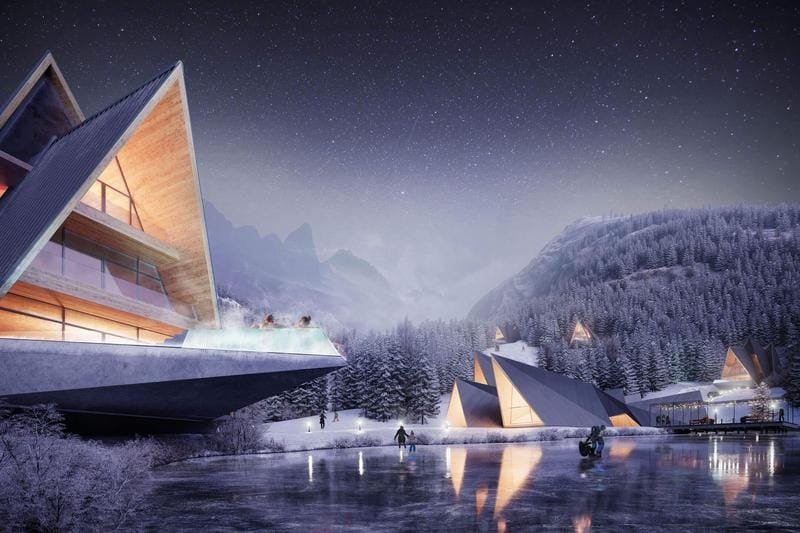 Creating a breathtakingly realistic 3D rendering is a sophisticated process that blends technical precision with artistic vision
.
It’s a journey with several distinct stages,
each building upon the last to transform a simple concept into a visual masterpiece.
Let’s walk through this step-by-step journey.
| Bước chân |
Hoạt động |
Mục đích & Key Tools |
| 1 |
Information Gathering |
Assemble all project files (blueprints, CAD, material specs) to create a solid foundation and prevent revisions. |
| 2 |
3D mô hình |
Construct the digital structure with accurate scale and geometry. Công cụ: Autocad, Bản phác thảo, Revit, 3DS Max. |
| 3 |
Hoạ tiết & Nguyên vật liệu |
Apply lifelike surfaces (gạch, thủy tinh, gỗ) to the model for realism. Công cụ: PBR textures, shader maps. |
| 4 |
Scene Composition |
Add context with landscaping, mọi người, and vehicles to create a believable environment. |
| 5 |
Ánh sáng |
Set up natural and artificial light sources to define mood, độ sâu, và chủ nghĩa hiện thực. Công cụ: HDRI skies, virtual sun/lamps. |
| 6 |
Kết xuất |
The computer generates the final 2D image from all the 3D data. Công cụ: V-Ray, Vương miện, Lumion. |
| 7 |
Xử lý hậu kỳ |
Refine the final image with color correction and effects for a polished, cái nhìn chuyên nghiệp. Công cụ: Photoshop, GIMP. |
A Step-by-Step Journey from Concept to Creation
Bước chân 1: Information Gathering & Project Briefing
Every great rendering starts with great information.
This foundational stage is all about gathering the “
ingredients.”
The rendering team collects every piece of relevant documentation from the client,
including architectural plans (
blueprints, tập tin CAD),
elevation drawings,
landscape plans, và thông số vật liệu.
Crucially,
they also ask for reference images that convey the desired mood, phong cách, và bầu không khí.
A clear and detailed brief at this stage is the single best way to prevent time-consuming and costly revisions down the line.
Bước chân 2: 3D mô hình – Building the Digital Skeleton
With the plans in hand,
the 3D artists begin constructing the digital skeleton of the building.
Using specialized software like Autocad, Bản phác thảo, Revit, hoặc
3DS Max,
they meticulously build the geometry of the structure.
This is a precision-oriented task where every wall, cửa sổ,
door,
and roofline is created to the exact scale and proportions specified in the plans.
The result is a clean,
untextured 3D model—a blank canvas ready for its artistic layers.
Bước chân 3: Hoạ tiết & Material Application – Breathing Life into Surfaces
This is where the model starts to feel real.
Artists apply materials and textures to every surface of the 3D model.
This isn’t just about adding a “
brick color”;
it’s about simulating the actual properties of the material.
They use advanced techniques and high-resolution texture maps (
like bump maps for roughness,
reflection maps for shininess,
and displacement maps for 3D depth)
to make brick look coarse,
glass look reflective,
and wood look grained.
For top-tier realism,
they often use resources from professional libraries like Poliigon hoặc
Texture Haven.
Bước chân 4: Scene Composition & Environment Setup – Thiết lập sân khấu
A building is only as believable as the world it inhabits.
In this step,
artists build out the surrounding environment to give the project context. Điều này bao gồm:
- Cảnh quan: Adding 3D models of trees, flowers, cỏ, và đặc điểm nước.
- Đoàn tùy tùng: Placing 3D models of people (often called “scalies”), xe ô tô, and street furniture to add life and a sense of scale.
- Surroundings: Modeling adjacent buildings or using photographic backplates to situate the project in its real-world location.
Bước chân 5: Ánh sáng – Sculpting with Light and Shadow
Lighting is arguably the most critical artistic element in 3D rendering. Nó quyết định tâm trạng,
highlights architectural features,
and creates the illusion of depth.
Artists will set up a virtual lighting system that often includes:
- Natural Light: A virtual sun positioned to simulate a specific time of day (VÍ DỤ., the long, soft shadows of late afternoon or the bright, direct light of noon).
- Sky Light: Often achieved using a High Dynamic Range Image (HDRI), which is a 360-degree photograph that wraps around the scene, casting realistic, nuanced light and reflections.
- Ánh sáng nhân tạo: Placing virtual lights inside the building, on the porch, or as street lamps to create a warm, inviting glow for evening or twilight scenes.
Bước chân 6: Kết xuất – The Computational Climax
Once everything is modeled,
textured,
and lit,
it’s time to “chụp ảnh.”
The rendering engine—powerful software like V-Ray, Vương miện, hoặc
Lumion—takes all the 3D data in the scene and performs millions of calculations to determine how light bounces off every surface.
It generates the final 2D image,
pixel by pixel.
This process can be computationally intensive,
taking anywhere from a few minutes to many hours,
depending on the scene’s complexity,
the desired resolution, và sức mạnh của phần cứng máy tính.
Bước chân 7: Xử lý hậu kỳ – The Final Polish
The raw render is rarely the final product.
The last step is post-processing,
where the rendered image is imported into an image-editing program like Adobe Photoshop. Đây,
artists perform the final tweaks and refinements,
much like a professional photographer touching up a photo.
This can include adjusting color balance and contrast,
sharpening details,
adding atmospheric effects like a subtle fog or a lens flare,
and compositing in extra elements to create a perfectly polished,
emotive,
and professional final image.
The Art of Composition: Mastering the 10 Essential Camera Angles

Trong kết xuất 3D,
the camera is your paintbrush.
The angle you choose is not merely a technical setting;
it’s a powerful storytelling device.
Where you place your virtual camera determines what the viewer sees,
what they feel,
and what message they receive about the project.
A single building can appear welcoming and human-scaled from one angle,
and monumental and awe-inspiring from another.
Mastering these viewpoints is key to creating a compelling visual narrative that showcases a design in its best possible light.
A Comprehensive Guide to the Most Effective Exterior Views
Let’s explore the ten most effective camera angles and how to strategically use them to tell your project’s unique story.
Each view serves a different purpose,
from creating a personal connection to showcasing a grand vision.
1. The Eye-Level View (Street View)
The Human Perspective. This is the most relatable and commonly used angle, positioned at a height of about 1.8 mét (6 bàn chân) to simulate how a person would naturally see the building.
- Mục đích: To create an immediate, personal connection with the viewer. It makes the space feel accessible and real.
- Sử dụng trường hợp: Perfect for residential homes, commercial storefronts, and any marketing material designed to help potential buyers envision themselves at the property.
2. The Façade View (Front View)
The Classic First Impression. This is a straight-on shot that captures the front of the building. Nó sạch sẽ, formal, and direct.
- Mục đích: To clearly and beautifully highlight the primary architectural style, curb appeal, and key design elements like the main entrance and window patterns.
- Sử dụng trường hợp: Essential for official portfolio images, real estate listings, and any presentation where the core design identity needs to be established.
3. The Rear View
The Private Sanctuary. While the front is for the public, the rear view showcases the building’s private haven.
- Mục đích: To highlight lifestyle amenities and features like a sprawling patio, a sparkling swimming pool, lush gardens, or a cozy fire pit.
- Sử dụng trường hợp: Crucial for lifestyle-focused marketing of residential properties, helping buyers imagine their personal and family time.
4. The Elevated Perspective (Semi-Aerial)
The Contextual View. Taken from a slightly elevated position, this angle shows the building and its immediate surroundings.
- Mục đích: To illustrate how the structure integrates with its site, including landscaping, driveways, and nearby outdoor spaces. It provides a better sense of the property’s layout than an eye-level shot.
- Sử dụng trường hợp: Ideal for townhouse complexes, homes on large lots, and projects where the landscape design is a key selling point.
5. The Aerial View (Nhìn từ trên cao)
The Master Plan Perspective. This is a high-level shot looking down from above, often from a great height.
- Mục đích: To showcase the full scope and scale of a large project. It reveals the layout of the entire site, its relationship to neighboring properties, and its connection to infrastructure like roads and parks.
- Sử dụng trường hợp: Indispensable for master-planned communities, large commercial or industrial developments, and urban planning presentations to city officials.
6. The Worm’s Eye View
The Heroic Perspective. Shot from a very low angle looking up, this view creates a powerful, dramatic, and imposing effect.
- Mục đích: To emphasize grandeur, soaring height, and verticality. It makes the building feel monumental and awe-inspiring.
- Sử dụng trường hợp: A favorite for showcasing skyscrapers, tall monuments, and corporate headquarters where an impression of dominance and prestige is desired.
7. The Close-Up View (Detail Shot)
The Craftsman’s Perspective. This view zooms in to focus on specific, intricate details of the design and construction.
- Mục đích: To highlight the quality of materials, the craftsmanship of the construction, and unique architectural features like custom metalwork, intricate stonework, or high-end window frames.
- Sử dụng trường hợp: Essential for luxury real estate marketing, specification documents, and convincing clients of the project’s high-end quality.
8. The Side View
The Dimensional Perspective. This angle provides a comprehensive look at the building’s depth, tỷ lệ, và hình thức.
- Mục đích: To reveal the relationship between different parts of the property, showcase side entrances, and give a better understanding of the building’s three-dimensional massing.
- Sử dụng trường hợp: Useful for complex architectural designs and for providing a more complete set of views in a project portfolio.
9. The Zoom-Out View
The Environmental Context. Stepping back even further than an aerial view, ảnh này đặt tòa nhà trong môi trường rộng lớn hơn của nó.
- Mục đích: Để thể hiện vị trí độc đáo của bất động sản và mối quan hệ của nó với cảnh quan xung quanh, dù đó là con đường rợp bóng cây quyến rũ, khung cảnh núi non ngoạn mục, hay bờ biển thanh bình.
- Sử dụng trường hợp: Hiệu quả cao đối với các bất động sản hoặc khu phát triển điểm đến mà vị trí là đặc điểm chính.
10. Thay đổi góc nhỏ
Quan điểm năng động. Một sự thay đổi tinh tế khỏi góc nhìn hoàn toàn thẳng thắn có thể tạo nên một thế giới khác biệt.
- Mục đích: Để thêm chiều sâu, kích thước, và sự quan tâm trực quan. Một góc nhỏ có thể tiết lộ những chi tiết kiến trúc có thể bị bỏ sót trong một căn hộ, bắn trực diện, làm cho hình ảnh có cảm giác năng động và hấp dẫn hơn.
- Sử dụng trường hợp: Một lựa chọn thông minh để làm cho mặt tiền hoặc mặt sau tiêu chuẩn có cảm giác bớt cứng nhắc, hấp dẫn và nghệ thuật hơn.
Đạt được chủ nghĩa siêu thực: Advanced Techniques for Stunning Visuals
 Moving from a good rendering to an unforgettable one lies in the details
.
It’s the subtle nuances and artistic touches that trick the human eye into believing what it sees is real.
Hyper-realism isn’t just about technical accuracy;
it’s about capturing the perfect imperfections of the real world.
Let’s dive into the advanced techniques that artists use to elevate their work to the next level.
It’s All in the Details: Moving from Good to Unforgettable
Mastering Light and Atmosphere
Light is the soul of a rendering.
It’s not just about illumination;
it’s about mood, cảm xúc, và chủ nghĩa hiện thực.
- The Position of the Sun: The sun’s position is a critical choice. The crisp, high-contrast light of midday can convey energy and clarity, making it ideal for commercial projects. Ngược lại, the low, warm, and soft light of the “golden hour” (just after sunrise or before sunset) creates long, gentle shadows and a sense of tranquility and warmth, perfect for residential scenes.
- The Nuance of Shadows: Amateur renderings often have shadows that are harsh and unnaturally black. In reality, shadows are filled with bounced, ambient light from the sky and surrounding surfaces. Professional artists ensure shadows have a subtle blue tint on a clear, ngày nắng, which adds a significant layer of realism. The key is to keep them soft and natural, not overly theatrical.
- Atmospheric Effects: The air around us is never perfectly clear. Adding subtle atmospheric effects like a light haze in the distance (độ sâu trường ảnh), a gentle fog on a cool morning, hoặc hiệu ứng phát sáng của ống kính lóa khi hướng về phía mặt trời có thể làm tăng đáng kể độ chân thực và tâm trạng của cảnh.
Sức mạnh của bối cảnh và tường thuật
Một tòa nhà chỉ là một công trình kiến trúc cho đến khi con người mang lại sự sống cho nó. Việc thêm ngữ cảnh sẽ biến kết xuất từ mô tả đơn giản thành một câu chuyện.
| Kỹ thuật |
Mục đích |
Thực hành tốt nhất |
| Bao gồm mọi người (Đoàn tùy tùng) |
Để thêm cảm giác về quy mô, mạng sống, và cảm xúc. Giúp người xem hình dung mình trong không gian. |
Tạo một câu chuyện. Thay vì vị trí ngẫu nhiên, cho thấy một gia đình đang làm vườn hoặc trẻ em đang chơi để truyền tải một “thân thiện với gia đình” cảm thấy. Đảm bảo chúng phù hợp với nhân khẩu học và không quá đông đúc hoặc làm xao lãng kiến trúc. |
| Thêm xe & Động vật |
Để làm cho khung cảnh trở nên năng động và sống động. Thêm một lớp hiện thực và bối cảnh khác. |
Kết hợp phương tiện với môi trường (VÍ DỤ., xe sang cho biệt thự cao cấp, bicycles for an eco-friendly community). Animals like birds in the sky or a pet in the yard can add a touch of warmth. |
| Botanical Elements |
To frame the building, add color, and create depth. |
Use a mix of 2D vegetation in the background and highly detailed 3D trees and plants in the foreground. Varying the colors and types of flora can create a stunning sense of layering and naturalism. |
The goal is to create a believable ecosystem around the building. Ví dụ,
a rendering of a suburban neighborhood comes alive when you see a woman jogging on the sidewalk,
children playing on a lawn,
and someone relaxing on a patio.
These small stories combine to create a powerful,
multi-layered narrative of community, an ủi,
and safety.
Perfecting Materials and Imperfections
The real world isn’t flawless,
and your renderings shouldn’t be either.
It’s the subtle imperfections that sell the illusion of reality.
- Glass Reflections: Windows are the eyes of a building. In a poor rendering, they can look like flat, dead surfaces. In a great one, they are alive with realistic reflections. They should accurately reflect the sky, surrounding trees, và các tòa nhà lân cận. This not only looks real but also adds incredible depth and complexity to the image.
- The Beauty of Imperfection: Nothing screams “fake” like a perfectly uniform, digitally clean surface. To achieve hyper-realism, artists intentionally add subtle imperfections:
- phong hóa: A slight fading or staining on wood or brick.
- Surface Variations: Slightly uneven paving stones or a subtle bumpiness on a concrete wall.
- Debris: A few fallen leaves on a pathway or a tiny bit of dust in a corner.
These small details break the digital perfection and convince the viewer’s brain that the scene is authentic.
The Business of Visualization: Giá cả, ROI, và lựa chọn nhà cung cấp
 Understanding the business side of 3D rendering is just as important as appreciating the art
.
How much should it cost?
What is the real return on that investment?
And how do you find the right partner to bring your vision to life?
Let’s demystify the financial and logistical aspects of procuring high-quality rendering services.
Demystifying 3D Rendering Costs: What Should You Expect to Pay?
The price of a 3D exterior rendering can vary dramatically,
from as little as $99 kết thúc tốt đẹp $10,000
for a single image.
This vast range can be confusing,
but it generally reflects different levels of quality,
service,
and expertise.
Here’s a breakdown of the typical pricing tiers to help you understand what you’re paying for.
| Bậc giá |
Typical Cost per Image |
Những gì mong đợi |
Tốt nhất cho |
| cấp 1: “Đáy thùng” |
$99 – $200 |
Often outsourced to overseas firms with very cheap labor. Quality can be inconsistent, and communication may be difficult due to language and time zone differences. Watch out for misleading portfolios and hidden fees for revisions or high-resolution images. |
Personal projects or early-stage conceptualization where budget is the absolute primary concern and quality is secondary. Buyer beware. |
| cấp 2: “Basic / Giá trị” |
$300 – $900 |
A significant step up in quality and professionalism. Projects may still be outsourced but are typically managed by a local or fluent project manager. Delivers good, clean visuals. |
Standard residential house renderings, gaining approval from regulatory bodies, and basic real estate marketing for architects, realtors, and home builders. |
| cấp 3: “Mid-Level Professional” |
$900 – $3,000 |
This is the sweet spot for most professional projects. The quality is high, with excellent attention to detail, ánh sáng, và vật liệu. This is the standard for marketing high-end homes and medium-to-large-scale developments. |
Nhà phát triển, Kiến trúc sư, and designers working on projects that need to stand out in a competitive market. The quality is designed to impress and sell. |
| cấp 4: “Cao cấp / Boutique” |
$3,000 – $14,000+ |
This tier is for landmark projects where perception and branding are paramount. The renders are top-tier, art-directed, and often indistinguishable from award-winning photography. Service is bespoke and highly collaborative. |
Large corporations and developers marketing new high-rise towers, super malls, or luxury resorts. The cost is a small fraction of the project budget but plays a massive role in pre-sales and branding. |
Calculating the Return on Investment (ROI)
While the upfront cost of a high-quality rendering might seem significant,
the return on investment can be substantial.
It’s crucial to think beyond the line-item expense and consider the value it generates:
- Increased Property Values: Some studies suggest that effective visual marketing can increase final property values by up to 15-20%.
- Faster Sales & Pre-Sales: Compelling visuals attract more buyers and can dramatically shorten the sales cycle.
- Giảm chi phí xây dựng: Như đã thảo luận, identifying design issues before construction saves enormous amounts on change orders.
- Faster Project Approvals: Clear communication with regulatory bodies can save months of costly delays.
- Improved Client Satisfaction: A happy client who feels their vision was understood and realized is more likely to provide referrals and repeat business.
How to Choose the Best 3D Exterior Rendering Company
Selecting the right rendering partner can make or break your project’s visual presentation.
Here is a practical checklist to guide your decision:
- Examine Their Portfolio Critically: Don’t just glance at the images. Do they look like real client projects or just a few portfolio-padding showpieces? Does the quality consistently match the price point they are quoting? Do they have experience in your specific architectural style?
- Check for Relevant Experience: If you’re designing a contemporary urban facade, a company that only shows traditional suburban homes may not be the right fit. Look for specialization that aligns with your needs.
- Evaluate Their Technical Capabilities: Ask what software they use. While you don’t need to be an expert, a professional studio should be using industry-standard tools like 3ds Max, V-Ray, and Photoshop.
- Assess Communication and Project Management: Is there a dedicated project manager you can speak to? Are they responsive and easy to communicate with? A smooth process is just as important as a good final image.
- Inquire About Revisions: Understand their revision process. How many rounds of revisions are included in the price? What is the cost for additional changes? A flexible and fair revision policy is a sign of a good partner.
- Look for Genuine Reviews and Testimonials: Search for reviews on third-party sites. Ask if they can connect you with past clients for a reference. Authentic feedback is invaluable.
Navigating Challenges and Embracing the Future
 Even with advanced technology
,
the path to a perfect rendering isn’t always smooth.
Professionals face common hurdles that can impact workflow and quality.
By understanding these challenges,
you can better navigate them. Đồng thời,
the industry is constantly evolving,
with exciting new trends on the horizon that promise to make visualization even more powerful.
Common Challenges in 3D Rendering and How to Overcome Them
Here are some of the most frequent issues encountered in 3D rendering and practical solutions for overcoming them.
| Thử thách |
The Problem |
The Solution |
| Prolonged Render Times |
Rendering a complex, high-resolution scene can take an excessive amount of time, slowing down the workflow and delaying project delivery. |
Optimize the scene by removing unnecessary details and using proxy objects for complex elements like trees. Adjust render settings for an optimal balance of speed and quality. For tight deadlines, consider using a cloud rendering farm to distribute the computational load across thousands of machines. |
| Unconvincing Realism |
Materials look flat or artificial, lighting appears unnatural, and the scene lacks the depth and complexity of a real-world environment. |
Invest in high-quality, physically-based rendering (PBR) nguyên vật liệu. Study real-world photography to understand how light interacts with different surfaces. Intentionally add subtle imperfections like dirt, smudges, and weathering to break the “too perfect” digital look. |
| Managing Client Revisions |
Continuous or late-stage requests for changes can be time-consuming and disruptive, especially in a complex, finalized scene. |
Start with a highly detailed and clear project brief to minimize misunderstandings. Structure the project with defined feedback rounds. For quick adjustments, use a real-time rendering engine to show the client changes interactively before committing to a final, lengthy render. |
| Technical Glitches |
Software can crash, files can become corrupted, and processing errors can occur, leading to lost work and frustration. |
This is non-negotiable: save progress frequently and in iterations (VÍ DỤ., project_v01, project_v02). Implement a robust backup system, using both local and cloud storage to prevent catastrophic data loss. |
The Future is Now: Emerging Trends in Exterior Visualization
The world of 3D rendering is moving at a breakneck pace.
Here are the trends that are shaping the future of the industry:
- Real-Time Rendering is the New Standard: The ability to see high-quality results instantly is transforming workflows. Real-time engines are becoming powerful enough for final outputs, allowing for faster iterations, more collaborative client meetings, and the creation of dynamic animations with ease.
- Immersive Experiences with VR and AR: Virtual and Augmented Reality are no longer novelties. With VR, clients can put on a headset and “đi dạo xung quanh” a full-scale model of their future building, getting a true sense of space and scale. AR will allow users to overlay a digital model onto a real-world construction site using their phone or tablet.
- The Rise of Artificial Intelligence (Ai): AI is beginning to play a significant role in automating tedious tasks. This includes AI-powered tools that can generate realistic textures from a simple text prompt, intelligently populate a scene with entourage, or denoise a render to speed up the process.
- A Focus on Sustainable Visualization: As sustainability becomes a core principle in architecture, renderings are evolving to reflect this. We are seeing a growing trend of visualizations that specifically highlight green features like solar panels, rainwater harvesting systems, mái nhà xanh, and energy-efficient design, telling a story of environmental responsibility.
- Emotional Storytelling: The most forward-thinking trend is a move away from simply showcasing a building and toward creating an emotional response. Future renderings will focus more on telling a story about the lifestyle, community, or feeling that the architecture facilitates, creating a deeper and more lasting connection with the viewer.
Phần kết luận
We’ve journeyed through the entire universe of 3D exterior rendering,
from its foundational definition and profound benefits to the intricate step-by-step process of creation.
We’ve explored the artistic mastery of camera angles and lighting,
delved into the business of pricing and choosing the right creative partner,
and looked ahead to a future powered by AI and immersive reality.
The key takeaway is clear: 3
D exterior rendering is far more than a tool for making pretty pictures.
It is a powerful,
indispensable engine for communication,
problem-solving, tiếp thị,
and storytelling in the modern world of architecture and real estate.
Mastering this technology allows you to bridge the gap between your boldest vision and tangible reality,
ensuring that every stakeholder,
from client to community,
can see and believe in the future you are building.
By embracing these techniques,
you can elevate your projects,
captivate your audience,
and bring your architectural dreams to life with stunning,
unparalleled clarity and impact.
Câu hỏi thường gặp
Q1: How long does a typical 3D exterior rendering take to create?
The time required can vary significantly based on the project’s complexity.
A basic rendering of a small house in a simple daylight scene might take 8-15 giờ.
A medium-sized commercial building with more detailed lighting could take 20-40 giờ.
A highly complex urban landscape with high realism and lots of detail can easily take 100 hours or more.
Q2: What software is best for 3D exterior rendering?
There isn’t one single “tốt nhất” phần mềm;
professionals use a combination of tools in a workflow.
The most common combination includes:
- Làm người mẫu: Autodesk 3ds Max, Bản phác thảo, hoặc Revit
- Kết xuất: V-Ray or Corona Renderer for photorealism; Lumion or Enscape for real-time visualization.
- Xử lý hậu kỳ: Adobe Photoshop for final touches.
Q3: Can 3D rendering really increase property sales?
Tuyệt đối.
High-quality renderings create a strong emotional connection with potential buyers,
making a property far more appealing.
They are a cornerstone of effective pre-selling campaigns,
which secure revenue before construction is finished.
Studies and industry experience show this can lead to faster sales cycles and final property values that are lên tới 15-20% higher than projects marketed with traditional methods.
Q4: Is it better to include people in renderings or not?
It depends entirely on the rendering’s goal.
If you want to convey a sense of scale, mạng sống,
and a specific atmosphere (VÍ DỤ.,
a bustling urban plaza or a peaceful,
family-friendly neighborhood),
then including people is essential.
They help the viewer imagine themselves in the space. Tuy nhiên,
if the purpose is purely to showcase the pristine,
unadorned architecture itself,
it can be more effective to omit them to keep the focus entirely on the building’s form and materials.