คืออะไร รูปแบบการเรนเดอร์สถาปัตยกรรม และเหตุใดจึงมีความสำคัญในการออกแบบสมัยใหม่?
ลองจินตนาการถึงการเรนเดอร์สถาปัตยกรรมด้วยการผสมผสานระหว่างศิลปะและทักษะทางเทคนิคอย่างมีเอกลักษณ์. เป็นกระบวนการที่สถาปนิกและนักออกแบบใช้เพื่อสร้างการแสดงภาพของอาคารหรือพื้นที่ที่นำเสนอ, นานก่อนที่การก่อสร้างจะเริ่มขึ้น. ในโลกการออกแบบในปัจจุบัน, สิ่งนี้สำคัญอย่างยิ่งเพราะมันแปลแนวคิดที่ซับซ้อนให้ชัดเจน, ภาพที่เข้าใจง่ายสำหรับทุกคนที่เกี่ยวข้อง, ทำให้การเดินทางของการออกแบบทั้งหมดราบรื่นยิ่งขึ้น.
การกำหนดการแสดงผลทางสถาปัตยกรรม: มากกว่าแค่การมองเห็น
ดังนั้น, การเรนเดอร์ทางสถาปัตยกรรมคืออะไรกันแน่? ที่แก่นแท้ของมัน, เป็นเรื่องเกี่ยวกับการนำวิสัยทัศน์ของสถาปนิกซึ่งอาจมีอยู่ในรูปแบบพิมพ์เขียวที่ซับซ้อนหรือเป็นเพียงแนวคิดมาแปลงเป็นภาพหรือแอนิเมชั่นที่น่าสนใจ. ภาพเหล่านี้ทำให้ผู้คนรับรู้ถึงคุณสมบัติสามมิติของการออกแบบ, แม้ว่าจะนำเสนอบนสื่อสองมิติแบนๆ เช่น หน้าจอคอมพิวเตอร์หรือหน้าที่พิมพ์ก็ตาม. โดยพื้นฐานแล้ว, การเรนเดอร์เป็นวิธีหลักในการนำเสนอ ลักษณะสามมิติของการออกแบบผ่านภาพสองมิติ.
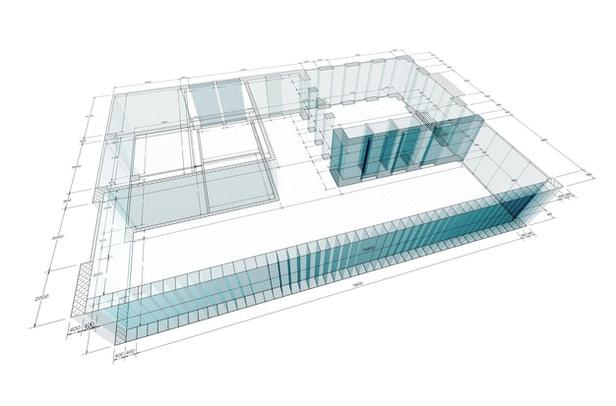
- การทำความเข้าใจวัตถุประสงค์หลัก: เป้าหมายพื้นฐานของการเรนเดอร์คือการสื่อสารอย่างมีประสิทธิภาพว่าการออกแบบสามมิติจะปรากฏขึ้นจริงเมื่อสร้างเสร็จแล้วอย่างไร. เป็นวิธีที่มีประสิทธิภาพในการแบ่งปันวิสัยทัศน์ที่สถาปนิกตั้งใจไว้อย่างชัดเจน.
- สำรวจสเปกตรัม: ในขณะที่หลายคน รูปแบบการเรนเดอร์สถาปัตยกรรม มุ่งสู่ความสมจริงที่น่าทึ่ง, นั่นไม่ใช่วัตถุประสงค์เพียงอย่างเดียวเสมอไป. บางครั้ง, การเรนเดอร์เน้นไปที่การถ่ายทอดเรื่องราวที่เฉพาะเจาะจงมากกว่า, อารมณ์, หรือลักษณะเฉพาะของอาคาร. มันทำหน้าที่เป็นวิธีการสำคัญในการแบ่งปันและพัฒนาความคิดทางสายตา.
- พลังของการดูตัวอย่าง: รูปภาพเหล่านี้ช่วยให้ทุกคนที่เกี่ยวข้องได้เห็นตัวอย่างอันทรงคุณค่า—ตัวอย่าง—ว่าโปรเจ็กต์สุดท้ายจะออกมาเป็นอย่างไร. รูปลักษณ์ในช่วงแรกๆ นี้เหมาะอย่างยิ่งสำหรับการรวบรวมคำติชม, ทำการปรับเปลี่ยน, และสร้างความมั่นใจว่าการออกแบบสอดคล้องกับความคาดหวังของทุกคนก่อนที่จะเริ่มการก่อสร้างที่มีราคาแพง.
- ประเด็นสำคัญ: การเรนเดอร์ได้กลายเป็นเครื่องมือที่ขาดไม่ได้สำหรับการสื่อสารด้วยภาพและการเล่าเรื่องในสาขาสถาปัตยกรรม, ทำให้แนวคิดที่เป็นนามธรรมเป็นรูปธรรม.
วิวัฒนาการของการแสดงภาพสถาปัตยกรรม: ตั้งแต่วาดด้วยมือไปจนถึง CGI ที่สมจริง
วิธีการที่สถาปนิกใช้ในการนำเสนอแนวคิดการออกแบบของตนได้รับการเปลี่ยนแปลงอย่างน่าทึ่งตลอดหลายปีที่ผ่านมา. เป็นการเดินทางที่ไม่ได้เริ่มต้นด้วยเทคโนโลยีคอมพิวเตอร์ที่ซับซ้อนในปัจจุบัน, แต่ง่ายกว่ามาก, แต่แสดงออกได้เท่าเทียมกัน, วิธี.
การแสดงผลของศิลปินแบบดั้งเดิม: ความน่าดึงดูดเหนือกาลเวลาของ สีน้ำ & รูปแบบการเรนเดอร์สถาปัตยกรรมดินสอ
กลับมาแล้ว, ก่อนที่คอมพิวเตอร์จะกลายเป็นเครื่องมือในชีวิตประจำวัน, สถาปนิกมีวิธีหลักๆ สองสามวิธีในการแสดงการออกแบบของตน. พวกเขาสามารถนำเสนอภาพวาดทางเทคนิคโดยละเอียดได้ (มักเรียกว่าพิมพ์เขียว), หรืออาจมอบหมายให้ศิลปินสร้างภาพประกอบก็ได้. ศิลปินเหล่านี้จะนำแผนมาสู่ชีวิตอย่างชำนาญ, ทำให้เข้าถึงและมีส่วนร่วมได้มากขึ้นผ่านภาพวาดที่เรนเดอร์ด้วยมือ.
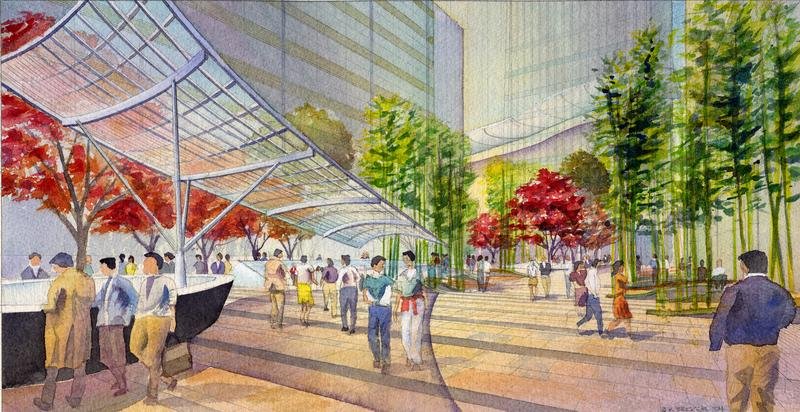
- บริบททางประวัติศาสตร์: ภาพวาดด้วยมือเหล่านี้, มักสร้างขึ้นโดยใช้สื่อเช่นสีน้ำหรือดินสอ, เป็นวิธีการหลักในการมองเห็นรูปลักษณ์ภายนอกของอาคารในอนาคต.
- ความสำคัญที่ยั่งยืนของพวกเขา: แม้แต่ในยุคที่เราก้าวหน้าทางเทคโนโลยีในปัจจุบัน, ภาพวาดที่มีเสน่ห์และหลากหลายเหล่านี้ยังคงรักษาคุณค่าไว้. ภาพร่างดินสอ, เช่น, มีประสิทธิผลโดยเฉพาะอย่างยิ่งสำหรับ สำรวจการตกแต่งวัสดุที่แตกต่างกันและปรับแต่งรายละเอียดที่ซับซ้อน ก่อนการตัดสินใจขั้นสุดท้ายจะถูกล็อค. ในฐานะผู้นำเสนองานออกแบบมานับไม่ถ้วน, ฉันสามารถบอกคุณได้ว่าลูกค้ามักจะชื่นชมสัมผัสทางศิลปะที่เป็นเอกลักษณ์และความอบอุ่นที่การเรนเดอร์ด้วยมือนำมาสู่โปรเจ็กต์.
การเพิ่มขึ้นของเครื่องมือดิจิทัล: ยังไง Photoshop สร้างการเรนเดอร์ เปลี่ยนเกม
การมาถึงของดิจิทัล ซอฟต์แวร์, โดยเฉพาะโปรแกรมอย่าง Adobe Photoshop, เปิดขอบเขตใหม่ของความเป็นไปได้สำหรับการแสดงภาพสถาปัตยกรรม. ศิลปินสามารถใช้รูปแบบ 3 มิติพื้นฐานที่สร้างโดย CAD ได้แล้ว (การออกแบบโดยใช้คอมพิวเตอร์ช่วย) ซอฟต์แวร์แล้วจึงลงสีแบบดิจิทัล, ยกระดับ, และปรับแต่งเพื่อสร้างภาพที่น่าทึ่ง.
- กระบวนการทั่วไป: ซึ่งมักเกี่ยวข้องกับการส่งออกมุมมองเปอร์สเปคทีฟจากโมเดล 3 มิติ จากนั้นใช้เทคนิคการวาดภาพดิจิทัลใน Photoshop อย่างพิถีพิถันเพื่อเพิ่มสีสัน, พื้นผิว, เอฟเฟกต์แสง, และรายละเอียดที่สำคัญอื่นๆ.
- การเปรียบเทียบผลลัพธ์ทางศิลปะ: ศิลปินดิจิทัลที่มีทักษะสามารถสร้างภาพที่ทัดเทียมกันได้, และในบางกรณีก็ทะลุไป, คุณภาพความสวยงามของภาพวาดที่เรนเดอร์ด้วยมือแบบดั้งเดิม. แม้ว่าจะเป็นกระบวนการที่ใช้เวลานานก็ตาม, การควบคุมเชิงสร้างสรรค์และผลลัพธ์ที่เป็นไปได้ทำให้เกิดการเปลี่ยนแปลงอย่างแท้จริง.
การปฏิวัติ CGI: ความเข้าใจ 3D การแสดงภาพทางสถาปัตยกรรม ตามมาตรฐานอุตสาหกรรม
วันนี้, ภาพสถาปัตยกรรมส่วนใหญ่สร้างขึ้นโดยใช้ซอฟต์แวร์เรนเดอร์ 3D เฉพาะทาง. วิธีการนี้, มักเรียกว่า CGI (จินตภาพที่สร้างโดยคอมพิวเตอร์), ได้สร้างชื่อเสียงให้กับตัวเองอย่างมั่นคงเป็นมาตรฐานอุตสาหกรรมที่แพร่หลาย. และด้วยเหตุผลที่ดี มันจึงมีข้อได้เปรียบที่น่าสนใจมากมาย!
- ข้อได้เปรียบที่สำคัญของความทันสมัย 3D รูปแบบการเรนเดอร์:
- ประสิทธิภาพ: โดยทั่วไปแล้วการเปลี่ยนแปลงและการอัปเดตจะเร็วกว่ามาก. หากจำเป็นต้องมีการปรับเปลี่ยนในฉาก 3 มิติ, ภาพสามารถแสดงผลซ้ำได้อย่างง่ายดายเพื่อสะท้อนการปรับเปลี่ยนเหล่านั้น.
- ความยืดหยุ่น: นักออกแบบสามารถทดลองใช้วัสดุต่างๆ มากมายได้อย่างง่ายดาย, การตั้งค่าแสงสว่าง, และมุมกล้องเพื่อให้ได้ลุคที่สมบูรณ์แบบ.
- การทำซ้ำอย่างรวดเร็ว: ซึ่งช่วยให้สามารถสร้างเวอร์ชันต่างๆ และการสำรวจการออกแบบได้หลายเวอร์ชันในระยะเวลาอันสั้น, ช่วยปรับแต่งการออกแบบได้อย่างมีประสิทธิภาพ.
- การนำสินทรัพย์กลับมาใช้ใหม่ได้: สตูดิโอสามารถพัฒนาไลบรารีของวัตถุ 3 มิติที่ใช้กันทั่วไป เช่น โมเดลรถยนต์โดยละเอียด, พืชพรรณหลากหลายชนิด, และเฟอร์นิเจอร์ที่มีสไตล์—แล้วปรับใช้สินทรัพย์เหล่านี้กับหลายโครงการ. แนวทางปฏิบัตินี้ช่วยประหยัดเวลาและทรัพยากรได้อย่างมาก.
แม้ว่าขั้นตอนการสร้างแบบจำลอง 3 มิติ, การใช้พื้นผิว, และการจัดแสงที่ซับซ้อนสามารถมีส่วนร่วมได้ค่อนข้างมาก, สตูดิโอแสดงภาพสถาปัตยกรรมที่มีประสบการณ์ได้ฝึกฝนขั้นตอนการทำงานเพื่อสร้างผลลัพธ์คุณภาพสูงอย่างมีประสิทธิภาพ.
ทำไมจึงแตกต่าง รูปแบบการเรนเดอร์สถาปัตยกรรม สิ่งที่ขาดไม่ได้สำหรับโครงการ?
การเรนเดอร์สถาปัตยกรรมเป็นมากกว่าแค่การสร้างภาพที่น่าดึงดูดใจ; มันเป็นเครื่องมือพื้นฐานที่สำคัญที่ให้ประโยชน์ที่สำคัญมากมายตลอดวงจรชีวิตของโครงการออกแบบ.
- เสริมสร้างการสื่อสารกับลูกค้า: หนึ่งในความท้าทายที่ใหญ่ที่สุดในสถาปัตยกรรมคือการถ่ายทอดแนวคิด 3 มิติที่ซับซ้อนให้กับผู้ที่ไม่ได้รับการฝึกฝนให้อ่านแบบทางเทคนิค. แตกต่าง รูปแบบการเรนเดอร์สถาปัตยกรรม เชื่อมช่องว่างความเข้าใจนี้อย่างสวยงาม, ทำให้วิสัยทัศน์ของสถาปนิกชัดเจนและเข้าถึงได้.
- อำนวยความสะดวกในการตัดสินใจอย่างมีข้อมูล: เมื่อลูกค้าและผู้มีส่วนได้ส่วนเสียสามารถมองเห็นการออกแบบที่สมจริงหรือชัดเจนตามแนวคิด, พวกเขามีความพร้อมที่ดีกว่ามากในการตัดสินใจเรื่องสำคัญเกี่ยวกับวัสดุ, โทนสี, การจัดพื้นที่, และฟังก์ชั่นโดยรวม. ภาพช่วยให้ตัดสินใจได้อย่างมั่นใจ.
- ขับเคลื่อนการตลาดและการขายล่วงหน้า: สำหรับโครงการที่ต้องการดึงดูดนักลงทุนหรือขายหน่วยก่อนการก่อสร้างแล้วเสร็จ, น่าสนใจ รูปแบบการเรนเดอร์สถาปัตยกรรม จำเป็นอย่างยิ่ง. ภาพคุณภาพสูงสามารถสร้างความตื่นเต้นได้, สร้างความไว้วางใจ, และแสดงศักยภาพของโครงการได้อย่างมีประสิทธิภาพ.
- การนำทางการอนุมัติตามกฎข้อบังคับ: ในเขตอำนาจศาลหลายแห่ง, การได้รับใบอนุญาตก่อสร้างจำเป็นต้องแสดงให้เห็นว่าโครงสร้างใหม่จะส่งผลกระทบต่อสภาพแวดล้อมอย่างไร. รูปแบบการเรนเดอร์ทางเทคนิค, เช่น การจำลองการวิเคราะห์เงาสำหรับการวางผังเมือง, จัดทำหลักฐานภาพที่จำเป็นสำหรับการปฏิบัติตามกฎระเบียบด้านการแบ่งเขตและสิ่งแวดล้อม.
- การระบุปัญหาเบื้องต้น: การแสดงภาพการออกแบบในรูปแบบ 3 มิติก่อนการก่อสร้างสามารถช่วยระบุข้อบกพร่องในการออกแบบที่อาจเกิดขึ้นได้, ความขัดแย้งเชิงพื้นที่, หรือปัญหาด้านความสวยงามที่อาจพลาดได้ง่ายในแผน 2D. การแก้ไขปัญหาเหล่านี้ช่วยประหยัดเวลาและเงินได้อย่างมาก.
- การสร้างการเชื่อมต่อทางอารมณ์: การเรนเดอร์ที่ได้รับการออกแบบมาอย่างดีไม่เพียงแต่แสดงสิ่งปลูกสร้างเท่านั้น; มันกระตุ้นความรู้สึก. สไตล์ที่เหมาะสมสามารถช่วยผู้มีส่วนได้ส่วนเสียได้, ผู้ซื้อที่มีศักยภาพ, หรือผู้ที่ในอนาคตจินตนาการถึงตัวเองในพื้นที่นี้ และพัฒนาความสัมพันธ์ทางอารมณ์เชิงบวกกับโครงการ.
ทำความเข้าใจกับสเปกตรัม: หมวดหมู่หลักและแนวทางใน รูปแบบการเรนเดอร์สถาปัตยกรรม
เมื่อเราเริ่มพูดถึงเรื่องมากมายมหาศาลของ รูปแบบการเรนเดอร์สถาปัตยกรรม มีอยู่, การทำความเข้าใจหมวดหมู่กว้างๆ บางหมวดหมู่ก่อนจะเป็นประโยชน์. สิ่งนี้ช่วยให้เราเข้าใจว่าทำไมภาพสถาปัตยกรรมจึงมีรูปลักษณ์และความรู้สึกที่หลากหลาย.
เทียบกับภาพเสมือนจริง. ไม่สมจริงเหมือนภาพถ่าย รูปแบบการเรนเดอร์สถาปัตยกรรม: การแบ่งแยกขั้นพื้นฐาน
นี่เป็นวิธีหลักในการจำแนกแนวทางการเรนเดอร์. รูปภาพพยายามที่จะดูเหมือนรูปถ่ายทุกประการหรือไม่, หรือเป็นการจงใจใช้เส้นทางศิลปะที่แตกต่างออกไป? การแสดงภาพสถาปัตยกรรมที่ไม่สมจริง ถือได้ว่าเป็นการตีความทางศิลปะโดยมุ่งเป้าไปที่เอฟเฟกต์เฉพาะ, ในขณะที่ การเรนเดอร์สถาปัตยกรรมเสมือนจริง มุ่งมั่นที่จะสร้างแบบจำลองภาพที่สมบูรณ์แบบของโครงสร้างที่ยังไม่ได้สร้าง.
| คุณสมบัติ | ไม่สมจริงเหมือนภาพถ่าย รูปแบบการเรนเดอร์สถาปัตยกรรม | เหมือนจริง รูปแบบการเรนเดอร์สถาปัตยกรรม |
|---|---|---|
| เป้าหมายหลัก | บรรลุรูปลักษณ์ทางศิลปะหรือแนวความคิด; แบ่งปันความคิดอย่างมีประสิทธิภาพ, ทำให้เกิดความรู้สึกที่เฉพาะเจาะจง, หรือเน้นข้อมูลเฉพาะ. | สร้างภาพที่แทบจะแยกไม่ออกจากภาพถ่ายจริง. |
| จุดสนใจ | แนวคิดหลัก, อารมณ์ที่ต้องการ, หรือข้อมูลเฉพาะเจาะจง. ความสมจริงที่สมบูรณ์ไม่ใช่ประเด็นหลัก. | ความแม่นยำในการแสดงแสงอย่างพิถีพิถัน, วัสดุ, พื้นผิว, การสะท้อนกลับ, และรายละเอียดนาทีทั้งหมด. มักมุ่งเป้าไปที่ลัทธิเหนือจริง. |
| เข้าใกล้ | มักจงใจเบี่ยงเบนไปจากการนำเสนอความเป็นจริงตามตัวอักษรเพื่อสร้างผลกระทบทางศิลปะหรือการสื่อสาร. | มุ่งมั่นอย่างมากที่จะจำลองสิ่งที่สายตามนุษย์จะรับรู้ในโลกแห่งความเป็นจริง, ภายใต้เงื่อนไขเฉพาะ. |
| ตัวอย่างทั่วไป | สเก็ตช์, ภาพต่อกัน, ภาพประกอบประเภทต่างๆ, แบบจำลองมวลแนวคิด. | ภาพการตลาดที่สมจริงเกินจริง, การสร้างภาพข้อมูล CGI โดยละเอียดสำหรับการนำเสนอลูกค้า. |
ตัวตนของบริษัทและกลุ่มเป้าหมายมีอิทธิพลต่อการเลือกของคุณอย่างไร สไตล์การเรนเดอร์สถาปัตยกรรม
เหตุใดจึงเลือกสไตล์หนึ่งโดยเฉพาะมากกว่าอีกสไตล์หนึ่ง? การตัดสินใจไม่ได้ขึ้นอยู่กับความชอบด้านสุนทรียะเท่านั้น. ปัจจัยสำคัญสองประการมีอิทธิพลอย่างมากต่อตัวเลือกนี้: เอกลักษณ์ที่ชัดเจนของบริษัทสถาปัตยกรรมและกลุ่มเป้าหมายเฉพาะที่ต้องการให้เข้าถึงได้.
- การสร้างแบรนด์ผ่านภาพ: เฉกเช่นจิตรกรผู้มีชื่อเสียงพัฒนารูปแบบอันเป็นที่จดจำ, บริษัทสถาปัตยกรรมหรือสถาปนิกรายบุคคลอาจปลูกฝังลายเซ็น “ดู” สำหรับการเรนเดอร์ของพวกเขา. ความสอดคล้องของภาพนี้กลายเป็นส่วนหนึ่งของเอกลักษณ์ของแบรนด์, ช่วยให้พวกเขาโดดเด่นและเป็นที่น่าจดจำ.
- ปรับแต่งข้อความของคุณ: การพิจารณาว่าใครจะเป็นผู้รับชมการเรนเดอร์เป็นสิ่งสำคัญ. สไตล์ที่เลือกควรสะท้อนและสื่อสารกับกลุ่มเฉพาะนั้นอย่างมีประสิทธิภาพ.
- ตัวอย่างเช่น, หากคุณกำลังนำเสนอการออกแบบบ้านใหม่ให้กับครอบครัว, อบอุ่น, แสงแดด สไตล์การเรนเดอร์สถาปัตยกรรมในเวลากลางวันที่สดใส อาจจะน่าดึงดูดและมั่นใจที่สุด.
- ในทางกลับกัน, หากคุณกำลังนำเสนอคอนโดมิเนียมหรูในเมืองให้กับคนรุ่นใหม่, น่าทึ่งมากขึ้น รูปแบบการเรนเดอร์สถาปัตยกรรมในเวลาพลบค่ำหรือรุ่งเช้า การจัดแสงที่หรูหราอาจสร้างผลกระทบได้มากกว่า.
- สำหรับการแข่งขันการออกแบบที่มีเดิมพันสูง, มีศิลปะสูงหรือแม้กระทั่งท้าทาย รูปแบบการเรนเดอร์สถาปัตยกรรมสภาพอากาศเลวร้าย อาจถูกนำมาใช้เพื่อดึงดูดความสนใจของคณะลูกขุนและกล่าวถ้อยคำที่เป็นตัวหนา.
คำแนะนำของฉันสำหรับทีมออกแบบนั้นสอดคล้องกันเสมอ: “เข้าใจผู้ชมของคุณ, ตกผลึกข้อความหลักของคุณ, จากนั้นเลือก สไตล์การเรนเดอร์สถาปัตยกรรม ที่บอกเล่าเรื่องราวนั้นได้อย่างทรงพลังและโน้มน้าวใจที่สุด”
เจาะลึกความหลากหลาย รูปแบบการเรนเดอร์สถาปัตยกรรม: จากคลาสสิกไปจนถึงล้ำสมัย
ตอนนี้, มาเริ่มต้นการสำรวจที่น่าตื่นเต้นของสิ่งต่าง ๆ กัน รูปแบบการเรนเดอร์สถาปัตยกรรม ที่สถาปนิกและนักออกแบบใช้. ช่วงกว้างใหญ่, ครอบคลุมทุกอย่างตั้งแต่ความรวดเร็ว, ภาพดูเดิลแนวความคิดไปจนถึงภาพที่สมจริงอย่างน่าทึ่งซึ่งอาจเข้าใจผิดได้ง่ายว่าเป็นฉากจากภาพยนตร์แนวอนาคต.
รากฐานเหนือกาลเวลา: แบบดั้งเดิมและแบบร่าง รูปแบบการเรนเดอร์สถาปัตยกรรม
สิ่งเหล่านี้แสดงถึงวิธีการบางอย่างที่ยั่งยืนที่สุดในการแสดงแนวคิดทางสถาปัตยกรรมด้วยภาพ. แม้ว่าเทคโนโลยีดิจิทัลจะเติบโตขึ้นก็ตาม, รูปแบบพื้นฐานเหล่านี้ยังคงมีประโยชน์และมีประสิทธิภาพอย่างน่าทึ่งในหลาย ๆ สถานการณ์.
รูปแบบการเรนเดอร์สถาปัตยกรรมสเคตช์: พลังแห่งการแสดงออกทางความคิดที่รวดเร็ว
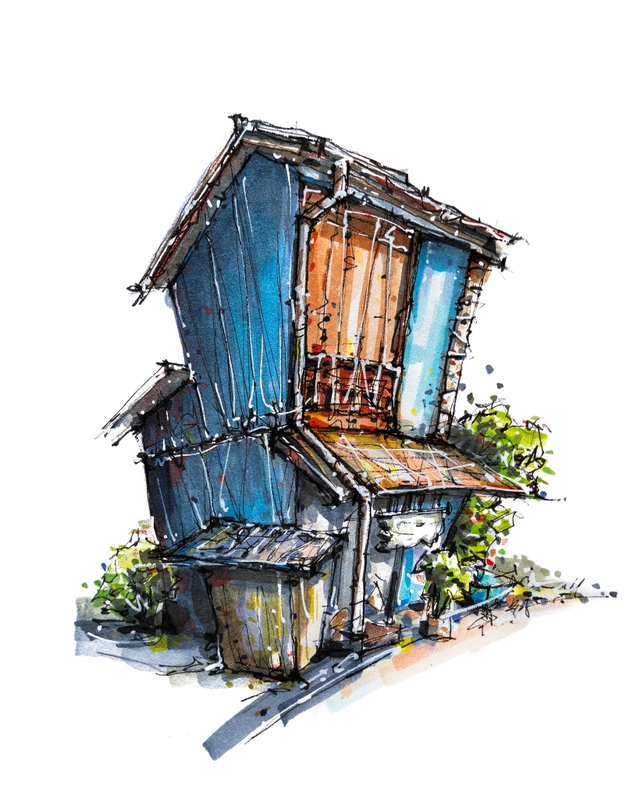
ภาพร่างถือได้ว่าเป็นภาพเริ่มต้น, บทสนทนาที่เกิดขึ้นเองในกระบวนการออกแบบ. โดยทั่วไปแล้วจะหยาบ, ภาพวาดที่ไม่ขัดเงาซึ่งมีจุดประสงค์เพื่อถ่ายทอดความคิดหรือแนวความคิดอย่างรวดเร็วและสั้นมาก.
- การแสดงภาพร่างคืออะไร? สิ่งเหล่านี้รวดเร็ว, มักเป็นภาพวาดที่ไม่ประณีต. ความสมบูรณ์แบบไม่ใช่เป้าหมาย; ความชัดเจนของแนวคิดหลักก็คือ.
- สื่อ:
- วาดด้วยมือ: การใช้กระดาษผสมผสานแบบคลาสสิก, ดินสอ, และปากกาสำหรับ ภาพร่างสถาปัตยกรรมด้วยมือเปล่า.
- ร่างดิจิตอล รูปแบบการเรนเดอร์สถาปัตยกรรม: เครื่องมือสมัยใหม่อย่าง Morpholio Trace, สมุดสเก็ตช์ภาพ Autodesk, และ Paper ได้รับความนิยมเพิ่มมากขึ้นในการสร้างภาพร่างดิจิทัลบนแท็บเล็ตและอุปกรณ์พกพา.
- การใช้งาน: แบบร่างมีคุณค่าอย่างยิ่งไม่เพียงแต่ในขั้นตอนก่อนเริ่มโครงการสำหรับการระดมความคิดเท่านั้น แต่ยังรวมถึงในระหว่างกระบวนการก่อสร้างเพื่อชี้แจงคำถามหรือรายละเอียดใด ๆ ที่อาจเกิดขึ้นในสถานที่ได้อย่างรวดเร็ว.
- ข้อดี: ข้อได้เปรียบหลักคือความเร็ว, ความตรงไปตรงมา, และง่ายต่อการสร้างสรรค์. นักออกแบบที่มีทักษะสามารถสร้างภาพร่างที่เข้าใจได้จากเครื่องมือพื้นฐานโดยใช้ความพยายามเพียงเล็กน้อย. ข้อเสีย: ความเรียบง่ายโดยธรรมชาติอาจไม่เหมาะกับบริบทการนำเสนอทั้งหมด, โดยเฉพาะอย่างยิ่งเมื่อต้องการรายละเอียดหรือการขัดเงาในระดับสูง.
- ประโยชน์ของรูปแบบการเรนเดอร์สถาปัตยกรรมแบบร่างสำหรับการออกแบบแนวความคิด: ช่วยให้สามารถสำรวจแนวคิดต่างๆ ได้อย่างรวดเร็วโดยไม่ต้องลงทุนเวลามากนัก.
วิทยาลัยสถาปัตยกรรมการเรนเดอร์สไตล์: การตีข่าวทางศิลปะเพื่อการเล่าเรื่องที่ไม่ซ้ำใคร
Collage นำเสนอวิธีการที่สร้างสรรค์อย่างน่าอัศจรรย์ในการแสดงภาพสถาปัตยกรรมโดยการรวมองค์ประกอบที่แตกต่างกัน. ในขณะที่มันเกิดขึ้นจากการลงมือทำ, เทคนิคศิลปะแบบอะนาล็อก, ได้รับการดัดแปลงให้ใช้งานร่วมกับซอฟต์แวร์ดิจิทัลได้อย่างมีประสิทธิภาพ.
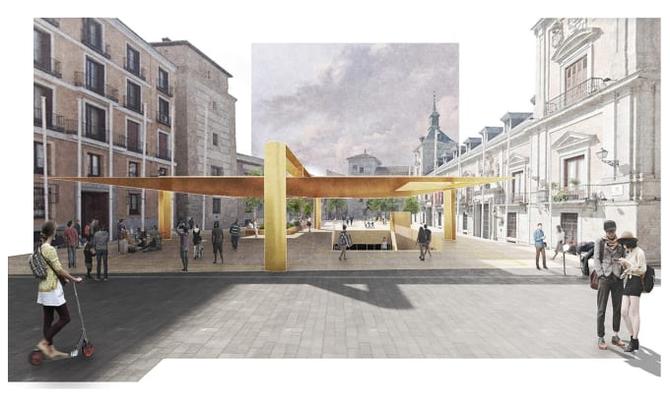
- การเรนเดอร์ภาพต่อกันคืออะไร? เป็นการจัดองค์ประกอบภาพที่เกิดจากการรวบรวมภาพต่างๆ, พื้นผิว, ร่างมนุษย์, และองค์ประกอบอื่นๆ ให้เป็นอันหนึ่งอันเดียวกัน.
- กระบวนการ: พื้นผิว, วัตถุ, และผู้คนมักจะได้รับแหล่งที่มาแล้วรวมเข้ากับฉากต่างๆ ซึ่งอาจมาจากโมเดล 3 มิติพื้นฐาน โดยใช้โปรแกรมแก้ไขภาพอันทรงพลัง เช่น Adobe Photoshop.
- ลักษณะสำคัญ: โดยทั่วไปแล้วภาพสุดท้ายจะมีพื้นผิวที่สมบูรณ์ แต่มักจะละเว้นเงาที่สมจริงโดยสมบูรณ์, การสะท้อนที่แม่นยำ, หรือความแม่นยำในการมองเห็นที่เข้มงวด, เหมือนกับภาพตัดปะจากกระดาษแบบดั้งเดิม. สิ่งนี้ทำให้เกิด “ไม่จริงเลย” แต่สุนทรีย์ที่เร้าใจอย่างมาก.
- วัตถุประสงค์: การนำเสนอตามตัวอักษรที่น้อยลงเหล่านี้ทำให้เกิดการสร้างเรื่องราวที่หลากหลายและจินตนาการมากขึ้นเกี่ยวกับการออกแบบ.
- เมื่อจะใช้: ภาพต่อกันมีประสิทธิภาพโดยเฉพาะอย่างยิ่งในช่วงเริ่มต้นของแนวคิดหรือเมื่อต้องการการนำเสนอที่มีศิลปะและไม่ใช่แบบดั้งเดิมอย่างชัดเจน.
ภาพประกอบทางสถาปัตยกรรมการเรนเดอร์สไตล์: เหนือกว่าไดอะแกรมสู่สภาพแวดล้อมแห่งจินตนาการ
ภาพประกอบทางสถาปัตยกรรมสามารถสร้างสรรค์ได้อย่างยอดเยี่ยม, ก้าวไปไกลกว่าแผนงานทางเทคนิคและไดอะแกรมธรรมดาๆ เพื่อพรรณนาถึงการตระหนักรู้อย่างเต็มที่, แม้ว่ามักจะมีสไตล์ก็ตาม, สภาพแวดล้อม.
- การแสดงภาพประกอบคืออะไร? สิ่งเหล่านี้เป็นการพรรณนาสภาพแวดล้อมทางสถาปัตยกรรมอย่างมีศิลปะซึ่งไม่ได้มุ่งเป้าไปที่ความสมจริงของภาพถ่ายเสมอไป.
- ลักษณะเฉพาะ: พวกเขามักจะโดดเด่นเนื่องจากคุณภาพเชิงจินตนาการและความสามารถในการแนะนำความเป็นไปได้ที่ไม่ชัดเจนหรือทางเลือกอื่นสำหรับสภาพแวดล้อมที่สร้างขึ้น. เน้นการตีความทางศิลปะ.
- รูปแบบการแสดงผลทางสถาปัตยกรรมของเวกเตอร์: ผลิตบ่อยครั้งโดยใช้ซอฟต์แวร์ เช่น Adobe Illustrator หรือแอปพลิเคชันมือถือ เช่น Illustrator Draw. กราฟิกแบบเวกเตอร์ใช้สมการทางคณิตศาสตร์เพื่อสร้างเส้นและรูปร่าง, ช่วยให้สามารถปรับขนาดได้ทุกขนาดโดยไม่สูญเสียคุณภาพหรือพิกเซล.
- วัตถุประสงค์: เพื่อแสดงความคิดสร้างสรรค์, สำรวจโซลูชันการออกแบบที่แหวกแนว, และนำเสนอสถาปัตยกรรมที่มีกลิ่นอายทางศิลปะอันแข็งแกร่ง.
การแสวงหาความสมจริงอันน่าพิศวง: สมจริงเหมือนจริงและเหนือจริง รูปแบบการเรนเดอร์สถาปัตยกรรม
ในการนำเสนอทางสถาปัตยกรรมมากมาย, โดยเฉพาะอย่างยิ่งสำหรับการตลาดและการอนุมัติจากลูกค้า, วัตถุประสงค์หลักคือการสร้างภาพที่ดูเหมือนจริงมากที่สุด. นี่คือจุดที่ขอบเขตของความสมจริงของแสงและพี่น้องที่เข้มข้นยิ่งขึ้น, เหนือจริง, เข้ามาเล่น.
เหมือนจริง รูปแบบการเรนเดอร์สถาปัตยกรรม: มุ่งสู่ความแม่นยำในการถ่ายภาพ
เป้าหมายที่ตรงไปตรงมาคือการสร้างภาพจำลองที่แทบแยกไม่ออกจากภาพถ่ายจริงของอาคารที่สร้างเสร็จ. สิ่งนี้จำเป็นต้องใส่ใจอย่างพิถีพิถันในทุกองค์ประกอบภาพภายในฉาก.
- องค์ประกอบสำคัญสำหรับความสมจริงด้วยแสง:
- แสงสว่างที่แม่นยำ: นี่เป็นสิ่งสำคัญยิ่ง. แสงสว่างที่มีประสิทธิภาพ, ครอบคลุมทั้งการส่องสว่างโดยรอบโดยรวมและแสงเฉพาะส่วน, มีบทบาทสำคัญในการบรรลุผลภาพเสมือนจริงที่น่าเหลือเชื่อ.
- วัสดุที่สมจริง: คุณภาพพื้นผิวของวัตถุทั้งหมด - พื้นมีความแวววาวเพียงใด, ความหยาบของอิฐ, พื้นผิวของผ้าต้องจำลองอย่างถูกต้อง.
- พื้นผิวและการสะท้อนที่น่าเชื่อ: รายละเอียดเหมือนลายไม้, ความเงางามบนโลหะ, และแสงที่สะท้อนจากกระจกหรือน้ำมีความสำคัญอย่างยิ่งต่อรูปลักษณ์ที่ดูสมจริง.
- ความท้าทายทั่วไป: ถ่ายทอดพฤติกรรมที่ซับซ้อนของแสงได้อย่างแม่นยำ, ให้ภาพสะท้อนและการหักเหของแสงบนพื้นผิวต่างๆ ที่น่าเชื่อ, และการสร้างพืชพรรณที่ดูเป็นธรรมชาติตั้งแต่เริ่มต้นอาจเป็นอุปสรรคสำคัญได้.
- ปรับปรุงกระบวนการ: โชคดี, อุตสาหกรรมได้รับประโยชน์จากห้องสมุดที่กว้างขวางของการตกแต่งวัสดุที่กำหนดไว้ล่วงหน้าและคอลเลกชันสินทรัพย์ 3 มิติคุณภาพสูงมากมาย (เหมือนต้นไม้, เฟอร์นิเจอร์, และผู้คน). ทรัพยากรเหล่านี้ช่วยเร่งขั้นตอนการทำงานได้อย่างมาก.
- ผลกระทบ: โดยทั่วไปแล้ว ภาพที่สมจริงสูงเหล่านี้ดึงดูดใจทั้งลูกค้าและสถาปนิกได้เป็นอย่างดี เนื่องจากภาพเหล่านี้แสดงการออกแบบที่มีความชัดเจนและรายละเอียดเป็นเลิศ.
- บรรลุรูปแบบการเรนเดอร์สถาปัตยกรรมที่เหมือนจริงด้วย V-Ray หรือซอฟต์แวร์ที่คล้ายกัน: ต้องใช้ทักษะในการจัดการการตั้งค่าขั้นสูงสำหรับแสง, วัสดุ, และกล้อง.
เกินจริง รูปแบบการเรนเดอร์สถาปัตยกรรม: ผลักดันขอบเขตการมองเห็นไปสู่ความสมบูรณ์แบบ
ไฮเปอร์เรียลลิซึมนำหลักการของโฟโตเรียลลิสม์มายกระดับให้มีรายละเอียดและความน่าเชื่อถือในระดับสูงสุดยิ่งขึ้นไปอีก. วัตถุประสงค์คือเพื่อสร้างภาพที่มีรายละเอียดดิจิทัลที่ซับซ้อนจนคล้ายคลึงหรือเหนือกว่าความชัดเจนและผลกระทบของภาพถ่ายความละเอียดสูงของอาคารจริง.
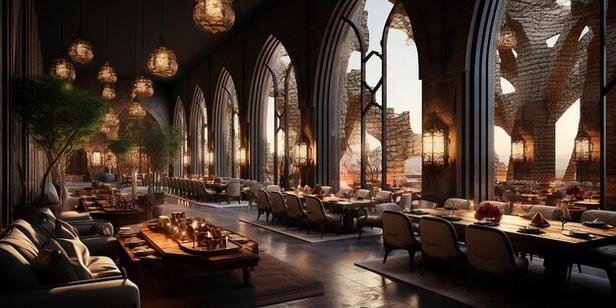
- อะไรเป็นตัวกำหนดไฮเปอร์เรียลลิซึมในการเรนเดอร์? มันเป็นเรื่องของการใส่ใจอย่างพิถีพิถันในรายละเอียดที่เล็กที่สุด, มั่นใจทุกองค์ประกอบ, จากการตกกระทบของแสงเล็กน้อยไปจนถึงพื้นผิวขนาดเล็กบนพื้นผิว, ก่อให้เกิดความรู้สึกมั่นคงของความเป็นจริง.
- กระบวนการที่พิถีพิถัน: การบรรลุความสมจริงแบบไฮเปอร์เรียลลิสม์นั้นต้องใช้ความอุตสาหะในการสร้างสรรค์แบบจำลอง, การทำพื้นผิว, และแสงสว่าง. พฤติกรรมแสง, คุณสมบัติของวัสดุ (รวมทั้งการสะท้อนแสงและการหักเหของแสง), และความไม่สมบูรณ์เล็กๆ น้อยๆ ล้วนได้รับการพิจารณาอย่างรอบคอบ.
- ความสมจริงตามบริบท: เพื่อเพิ่มความน่าเชื่อถือ, การเรนเดอร์ที่สมจริงเกินจริงมักจะรวมการแสดงรายละเอียดของอาคารโดยรอบไว้ด้วย, ทิวทัศน์, และแม้แต่องค์ประกอบของมนุษย์ที่ให้ความรู้สึกถึงขนาดและชีวิต.
- เทคนิคขั้นสูง: ศิลปินใช้วิธีการที่ซับซ้อนในการสร้างสภาพแสงแบบไดนามิก, จำลองผลกระทบสภาพอากาศต่างๆ, และแสดงให้เห็นว่าอาคารอาจมีลักษณะอย่างไรในแต่ละฤดูกาล.
- ข้อดี: ไฮเปอร์เรียลลิสม์มอบเอฟเฟกต์ภาพสูงสุด, อำนวยความสะดวกในการสื่อสารโครงการที่ชัดเจนเป็นพิเศษ, และทำหน้าที่เป็นเครื่องมือทางการตลาดที่ทรงพลังอย่างเหลือเชื่อ. ข้อเสีย: รายละเอียดระดับนี้ต้องใช้เวลามาก, มักจะต้องการ 3 ถึง 10 วันหรือมากกว่าต่อภาพ, ซึ่งมีส่วนช่วยในการก ต้นทุนที่สูงขึ้น. อย่างไรก็ตาม, หลายคนเชื่อว่าผลลัพธ์ที่เหนือกว่าจะพิสูจน์การลงทุนได้, เป็นสุภาษิต “สิ่งที่ดีที่สุดต้องใช้เวลา” มักจะถือเป็นความจริง.
- ไฮเปอร์เรียลลิซึมเชิงโต้ตอบ: อีกระดับของการมีส่วนร่วม.
- กำลังสำรวจ 360-มุมมองแบบพาโนรามาและทัวร์เสมือนจริงในรูปแบบการเรนเดอร์สถาปัตยกรรม อนุญาตให้ผู้ใช้มองไปรอบ ๆ พื้นที่ราวกับว่าพวกเขามีอยู่จริง.
- ประสบการณ์ VR ที่สมจริงช่วยให้ลูกค้ามีประสิทธิภาพ “เดินผ่าน” พื้นที่ที่ไม่ได้สร้างขึ้นโดยใช้ชุดหูฟัง VR, นำเสนอความเข้าใจเรื่องขนาดที่ไม่มีใครเทียบได้, สัดส่วน, และความสัมพันธ์เชิงพื้นที่.
- แอปพลิเคชัน AR สามารถซ้อนทับการเรนเดอร์ดิจิทัลบนไซต์จริงที่รับชมผ่านอุปกรณ์ได้, ช่วยให้ลูกค้าเห็นภาพว่าการออกแบบสามารถรวมเข้ากับบริบทที่มีอยู่ได้อย่างไร.
- การควบคุมแบบโต้ตอบอาจอนุญาตให้ผู้ใช้เปลี่ยนสภาพแสงได้, ทดลองโดยใช้วัสดุเคลือบหรือโทนสีที่แตกต่างกัน, หรือเรียกภาพเคลื่อนไหวภายในฉากที่เรนเดอร์.
- ประโยชน์ของรูปแบบการเรนเดอร์สถาปัตยกรรมไฮเปอร์เรียลลิสติกเชิงโต้ตอบ: พวกเขาปรับปรุงการมีส่วนร่วมของลูกค้าอย่างมีนัยสำคัญ, ปรับปรุงการสื่อสาร, และสามารถช่วยระบุข้อควรพิจารณาในการออกแบบตั้งแต่เนิ่นๆ ของกระบวนการ.
เคยทำงานในโครงการที่เราได้มอบประสบการณ์การโต้ตอบที่สมจริงเกินจริง, ฉันได้เห็นโดยตรงว่าพวกเขาสามารถเปลี่ยนความเข้าใจและความตื่นเต้นของลูกค้าสำหรับโครงการได้อย่างไร. เป็นวิธีที่มีประสิทธิภาพในการทำให้อนาคตรู้สึกเหมือนอยู่ในปัจจุบัน.
3D Model-Centric รูปแบบการเรนเดอร์สถาปัตยกรรม และเทคนิคเฉพาะทาง
มากมายหลากหลาย รูปแบบการเรนเดอร์สถาปัตยกรรม มาจากโมเดล 3 มิติพื้นฐานที่สร้างขึ้นโดยใช้ซอฟต์แวร์คอมพิวเตอร์เฉพาะ. เรามาสำรวจวิธีการทั่วไปบางส่วนในการแปลงโมเดลดิจิทัลเหล่านี้ให้เป็นเอาท์พุตภาพที่แตกต่าง.
ขั้นพื้นฐาน 3รูปแบบการเรนเดอร์โมเดล D: Digital Maquette สำหรับรูปแบบและพื้นที่
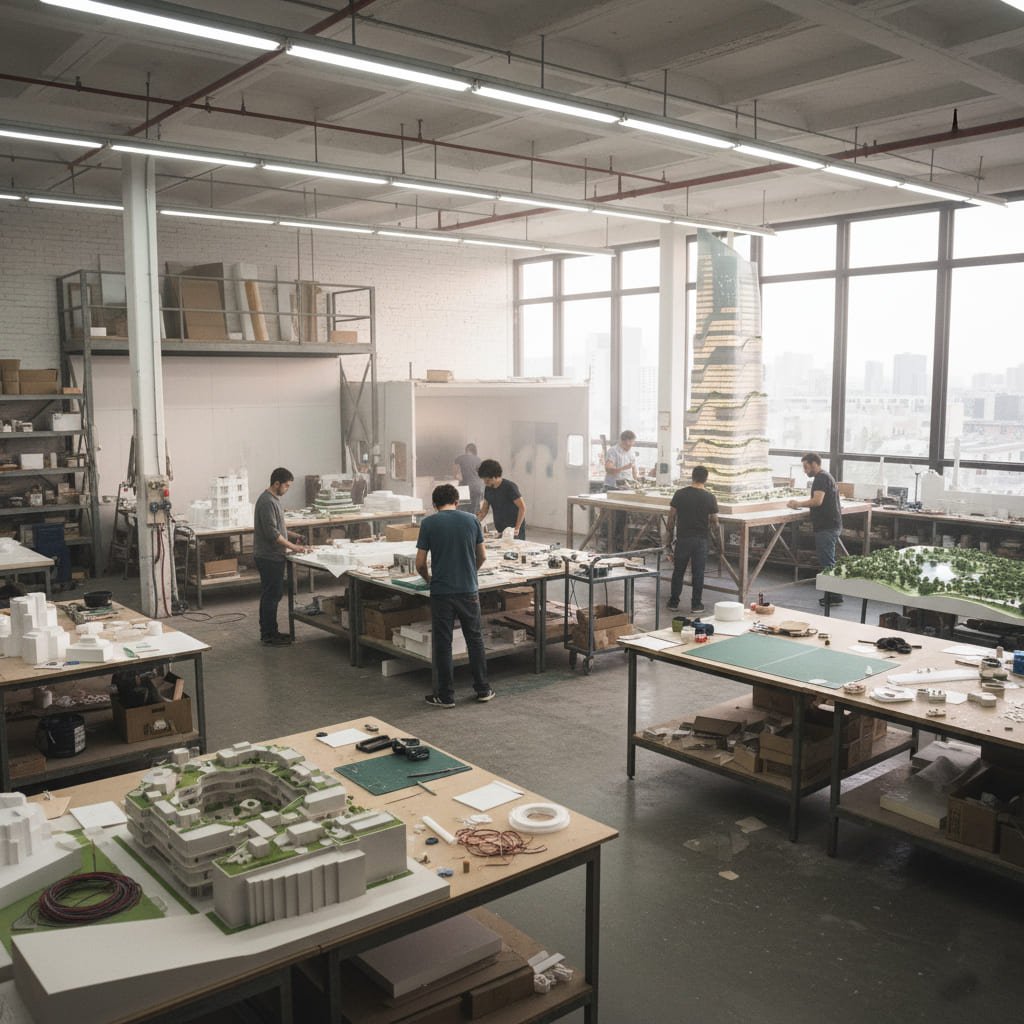
คุณสามารถนึกถึงสไตล์นี้ว่าเป็นแบบจำลองทางดิจิทัลกับแบบจำลองทางกายภาพขนาดเล็กที่สถาปนิกอาจสร้างด้วยมือจากวัสดุ เช่น กระดาษแข็งหรือไม้. แนวคิดหลักคือการกำหนดค่าวัสดุภายในซอฟต์แวร์ 3D เพื่อจำลองรูปลักษณ์ของวัสดุที่ใช้ในการสร้างแบบจำลองทางกายภาพแบบดั้งเดิม, เช่นกระดาษหรือพื้นผิวไม้ชนิดต่างๆ.
- แนวคิด: แนวทางนี้มักใช้เรขาคณิตแบบง่าย (บางครั้งเรียกว่า “โพลีต่ำ”) สำหรับอาคาร, ต้นไม้, และร่างมนุษย์. จุดสนใจหลักคือการถ่ายทอดมวลโดยรวม, ความสัมพันธ์ระหว่างช่องว่าง, และรูปแบบพื้นฐานของการออกแบบ.
- ข้อดี: โดยทั่วไปแล้วการเรนเดอร์โมเดล 3D พื้นฐานจะตรงไปตรงมาและมีราคาค่อนข้างถูกในการผลิต. ง่ายต่อการเข้าใจและเป็นก้าวแรกที่ดีเยี่ยมในการพัฒนาสไตล์ที่มีรายละเอียดมากขึ้นหรือสมจริงเกินจริง. การเรนเดอร์ที่เรียบง่ายเหล่านี้สามารถแชร์กับลูกค้าเพื่อรับข้อเสนอแนะเกี่ยวกับมุมกล้องตั้งแต่เนิ่นๆ, องค์ประกอบ, และเค้าโครงพื้นฐานก่อนที่จะลงทุนเวลาสำคัญในรายละเอียดที่ซับซ้อน.
- ข้อเสีย: เพื่อการนำเสนอขั้นสุดท้ายหรือวัตถุประสงค์ทางการตลาด, บางครั้งสไตล์นี้อาจดูเรียบง่ายเกินไปหรือขาดการมีส่วนร่วมเมื่อเทียบกับทางเลือกอื่นที่สวยงามกว่า.
รูปแบบการเรนเดอร์สถาปัตยกรรม SketchUp: การแสดงภาพที่โดดเด่นและใช้งานง่าย
SketchUp เป็นซอฟต์แวร์สร้างแบบจำลอง 3 มิติที่ได้รับการยอมรับอย่างกว้างขวางในด้านอินเทอร์เฟซที่ใช้งานง่าย, ออกแบบมาเพื่อลดความซับซ้อนของกระบวนการสร้างโมเดล 3 มิติ, โดยเฉพาะในช่วงเริ่มต้นของการออกแบบ.
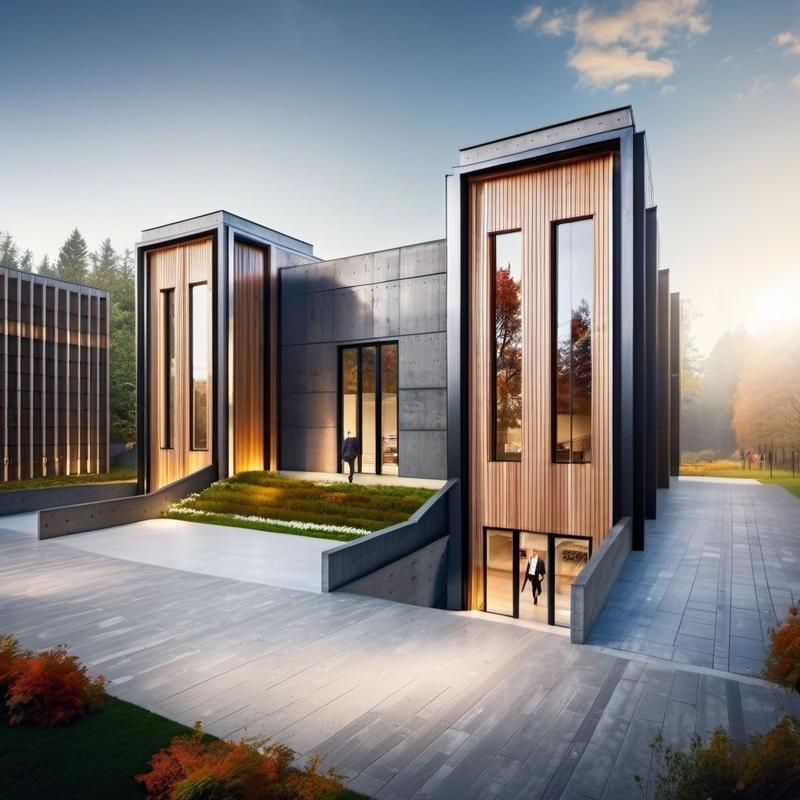
- แนวทาง SketchUp: มันเสนอได้ตรงกว่า “สิ่งที่คุณเห็นคือสิ่งที่คุณได้รับ” (WYSIWYG) ประสบการณ์ระหว่างการสร้างแบบจำลองและการดู, โดยที่การแสดงบนหน้าจอตรงกับสไตล์เอาต์พุตสุดท้ายอย่างใกล้ชิด.
- สไตล์พื้นเมือง: เมื่อทำงานภายใน SketchUp, มุมมองมักจะแสดงความงามเหมือนสีน้ำที่มีลักษณะเฉพาะและมีเอกลักษณ์เฉพาะตัว, มักจะอ่อนนุ่ม, จานสี. เมื่อมืออาชีพกล่าวถึง “รูปแบบการเรนเดอร์สถาปัตยกรรม SketchUp,” โดยทั่วไปแล้วจะพาดพิงถึงรูปลักษณ์ที่โดดเด่นของภาพที่ส่งออกโดยตรงจากซอฟต์แวร์โดยไม่มีการเรนเดอร์ภายนอกที่กว้างขวาง.
- การใช้งานทั่วไป: สไตล์ภาพที่เข้าถึงได้และเป็นที่จดจำนี้มักใช้ในการนำเสนอทางสถาปัตยกรรม, โดยเฉพาะอย่างยิ่งสำหรับการออกแบบแนวความคิดและการศึกษาอย่างรวดเร็ว.
- ความยืดหยุ่น: แม้จะขึ้นชื่อเรื่องสไตล์พื้นเมือง, SketchUp ยังสามารถเสริมด้วยปลั๊กอินการเรนเดอร์ของบริษัทอื่นเพื่อให้ได้ผลลัพธ์ที่สมจริงอย่างมาก, นำเสนอความเป็นไปได้ทางการมองเห็นแก่ผู้ใช้.
3แผนผังชั้น D และรูปแบบการเรนเดอร์สถาปัตยกรรมบ้านตุ๊กตา: ปรับปรุงความเข้าใจเลย์เอาต์
วิธีการแสดงภาพเหล่านี้นำเสนอวิธีที่ง่ายกว่ามากในการทำความเข้าใจแผนผังของอาคาร เมื่อเทียบกับแฟลตแบบดั้งเดิม, 2แผนผังชั้น D. พวกมันให้ความรู้สึกถึงความลึกที่ชัดเจน, มิติ, และการจัดองค์กรเชิงพื้นที่.
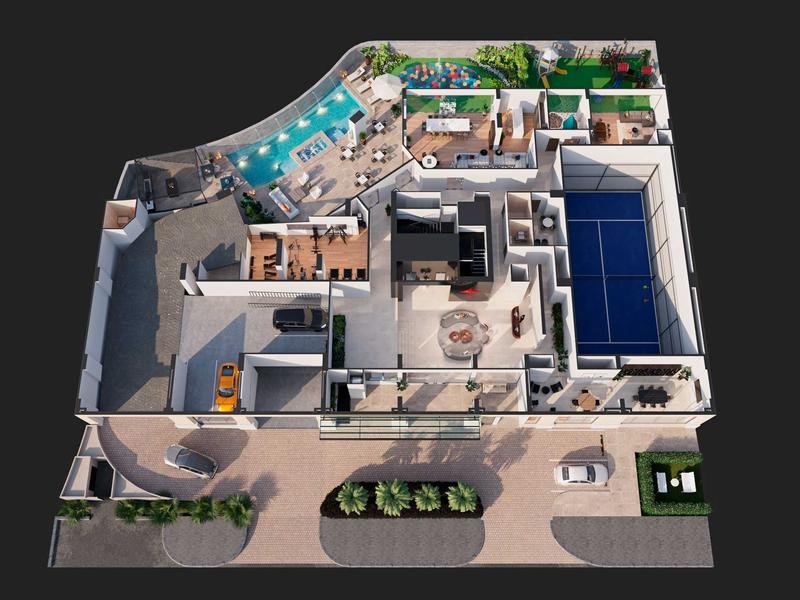
- เหนือกว่า 2D: ช่วยให้ผู้ชมสามารถสำรวจพื้นที่ได้ทางจิตใจ, เข้าใจได้ง่ายว่าห้องและพื้นที่เชื่อมต่อและไหลเข้าหากันอย่างไร.
- คุณสมบัติที่สำคัญ: โดยทั่วไปการเรนเดอร์เหล่านี้ประกอบด้วยการแสดงเฟอร์นิเจอร์แบบ 3 มิติ, การติดตั้ง, และแม้กระทั่งพื้นผิว, ซึ่งช่วยในการถ่ายทอดความรู้สึกสมจริงของขนาดและสัดส่วนภายในแต่ละพื้นที่.
- ข้อดี: เกินความชัดเจน, 3รูปแบบการเรนเดอร์สถาปัตยกรรมแบบแปลนพื้น D มักจะมีความคุ้มค่าเพราะว่ามุมมอง (มักจะมาจากด้านบน) หมายความว่ารายละเอียดเล็กๆ น้อยๆ สุดโต่งไม่จำเป็นเสมอไป. พวกเขายังอเนกประสงค์, ช่วยให้นักออกแบบสามารถทดลองจัดเฟอร์นิเจอร์หรือวัสดุตกแต่งต่างๆ ได้อย่างรวดเร็ว.
สไตล์การเรนเดอร์สถาปัตยกรรมแบบ Cutaway: ผสานมุมมองภายในและภายนอก
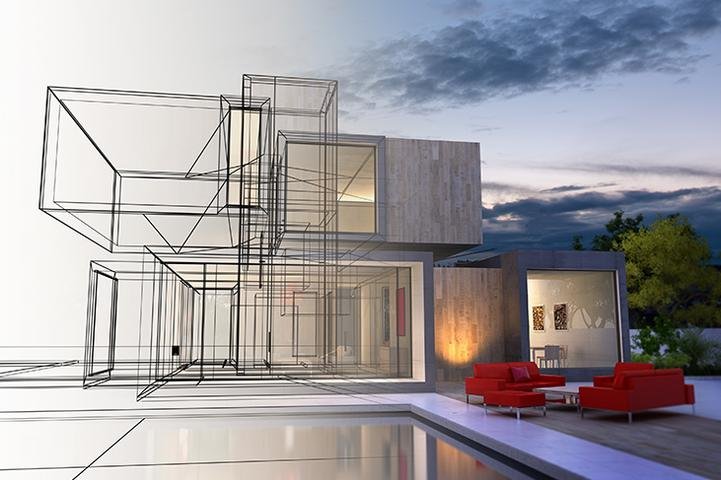
ลองจินตนาการถึงความสามารถ “ชิ้น” เปิดแบบจำลองอาคารเพื่อเผยให้เห็นการทำงานภายในในขณะที่ดูส่วนหน้าภายนอกไปพร้อมๆ กัน นั่นคือสิ่งที่การเรนเดอร์แบบตัดออกทำได้แม่นยำ. สไตล์นี้ผสมผสานรูปลักษณ์ภายในและภายนอกเข้าไว้ด้วยกันอย่างชาญฉลาด, ภาพที่ครอบคลุม.
- แนวคิด: เทคนิคนี้ให้ภาพรวมแบบองค์รวม, สามารถถ่ายทอดข้อมูลอันน่าทึ่งเกี่ยวกับโครงสร้างของอาคารได้, เค้าโครง, และความสัมพันธ์เชิงพื้นที่ในภาพเดียว.
- วัตถุประสงค์: ผู้ชมจะมองเห็นองค์ประกอบต่างๆ เช่น ห้องต่างๆ, ทางเดิน, บันได, และแม้แต่ส่วนประกอบโครงสร้างทั้งหมดในคราวเดียว, นำไปสู่ความเข้าใจในการออกแบบอย่างลึกซึ้งยิ่งขึ้น.
- การพิจารณาความซับซ้อนและต้นทุน: การสร้างภาพตัดต่อที่ไร้รอยต่อและน่าเชื่อนั้นต้องใช้เทคนิคมากกว่าการสร้างภาพภายในหรือภายนอกแบบมาตรฐานแยกกัน, ซึ่งสามารถส่งผลต่อต้นทุนได้. อย่างไรก็ตาม, โดยรวมแล้วอาจมีประสิทธิภาพมากกว่าการสร้างภาพเดี่ยวชุดใหญ่เพื่อถ่ายทอดข้อมูลเดียวกัน.
รูปแบบการเรนเดอร์สถาปัตยกรรมแบบรวมโดรน: การออกแบบตามบริบทในมุมมองทางอากาศในโลกแห่งความเป็นจริง
นี่เป็นเทคนิคที่น่าตื่นเต้นและมีผลกระทบเป็นพิเศษ โดยผสมผสานแบบจำลองอาคารที่นำเสนอที่สร้างด้วยคอมพิวเตอร์เข้ากับภาพถ่ายจริงที่ถ่ายโดยโดรนได้อย่างราบรื่น. โดรนจับภาพมุมมองทางอากาศของสถานที่จริง, จากนั้นอาคารที่สร้างขึ้นก็จะถูกผสานเข้ากับฉากหลังของภาพถ่ายอย่างพิถีพิถัน.
- เทคนิค: ความสำเร็จของสไตล์นี้ขึ้นอยู่กับการจับคู่แสงได้อย่างลงตัว, เงา, ทัศนคติ, พื้นผิว, และวัสดุระหว่างองค์ประกอบที่เรนเดอร์กับภาพถ่ายที่มีอยู่เพื่อสร้างภาพคอมโพสิตที่สมจริงอย่างน่าทึ่ง.
- บรรลุความสมจริง: ซึ่งต้องใช้ทักษะระดับสูงในการสร้างแบบจำลอง 3 มิติ, การแสดงผล, และหลังการผลิต.
- ประโยชน์: วิธีการนี้ไม่เพียงแต่ทำให้อาคารดูโดดเดี่ยวเท่านั้น; มันแสดงให้เห็นอย่างชัดเจนภายในบริบทของพื้นที่ใกล้เคียงที่แท้จริง. สิ่งนี้ช่วยให้ผู้มีส่วนได้ส่วนเสียประเมินความเข้ากันได้ของการออกแบบกับสภาพแวดล้อม. นอกจากนี้ยังอาจเป็นวิธีที่คุ้มค่าหากมีการถ่ายภาพด้วยโดรนคุณภาพสูงของสถานที่นั้นอยู่แล้ว, เนื่องจากช่วยลดความจำเป็นในการสร้างพื้นหลัง 3 มิติทั้งหมด.
- อำนาจทางการตลาด: ความถูกต้องและบริบททันทีที่นำเสนอโดย รูปแบบการเรนเดอร์สถาปัตยกรรมแบบรวมโดรน ทำให้สื่อการตลาดมีประสิทธิภาพสูง, การสร้างภาพที่ทั้งน่าดึงดูดและสะท้อนอารมณ์.
การเรนเดอร์การวิเคราะห์เงา: การแสดงภาพทางเทคนิคสำหรับการประเมินด้านกฎระเบียบและสิ่งแวดล้อม
แม้ว่าอาจจะไม่สวยงามสวยงามที่สุดก็ตาม, การเรนเดอร์การวิเคราะห์เงามีบทบาททางเทคนิคที่สำคัญอย่างยิ่ง. วัตถุประสงค์หลักของพวกเขาคือการพรรณนาและวิเคราะห์เงาที่อาคารหรือโครงสร้างที่เสนอจะทอดลงบนสภาพแวดล้อมในช่วงเวลาต่างๆ ของวันและตลอดฤดูกาลต่างๆ ของปีอย่างแม่นยำ.
- วัตถุประสงค์หลัก: การแสดงภาพข้อมูลเหล่านี้มักถูกกำหนดโดยคณะกรรมการกำกับดูแลและหน่วยงานวางแผน ซึ่งเป็นส่วนหนึ่งของกระบวนการอนุมัติสำหรับการพัฒนาใหม่.
- การใช้งาน: สิ่งเหล่านี้จำเป็นสำหรับการประเมินผลกระทบที่อาจเกิดขึ้นจากโครงสร้างใหม่ต่อคุณสมบัติใกล้เคียง, พื้นที่สาธารณะ, และเข้าถึงแสงแดดได้. ซึ่งรวมถึงการประเมินปัญหาต่างๆ เช่น เงาที่บดบังหรือการบดบังแสง.
- ลักษณะเฉพาะ: มุ่งเน้นไปที่การให้ข้อเท็จจริงอย่างแน่วแน่, มักจะเป็นเชิงปริมาณ, ข้อมูลมากกว่าที่จะบรรลุถึงความน่าดึงดูดทางศิลปะโดยเฉพาะ. ความชัดเจนและความถูกต้องเป็นสิ่งสำคัญยิ่ง.
- ผลงาน: การเรนเดอร์การวิเคราะห์เงาแจ้งการตัดสินใจออกแบบที่เกี่ยวข้องกับการวางแนวอาคาร, การรวมตัวกัน, และแม้แต่การตกแต่งด้านหน้าอาคารเพื่อให้แสงธรรมชาติเหมาะสมที่สุด, ลดผลกระทบจากการแรเงาเชิงลบ, และมีส่วนช่วยให้เมืองมีความสามัคคีและประสิทธิภาพการใช้พลังงานดีขึ้น.
จากประสบการณ์ส่วนตัวในการดำเนินโครงการเมืองที่ซับซ้อน, ฉันสามารถยืนยันได้ว่าการศึกษาเงาที่ชัดเจนและแม่นยำนั้นขาดไม่ได้ในการแสดงให้เห็นถึงความรอบคอบและได้รับการอนุมัติที่จำเป็น.
เกี่ยวกับแนวคิด, ใจความ, และ “กำลังมาแรง” รูปแบบการเรนเดอร์สถาปัตยกรรม สำหรับผลกระทบเฉพาะ
เกินกว่าการจำแนกประเภทที่เป็นมาตรฐานมากขึ้น, มีโลกแห่งแนวคิดที่มีชีวิตชีวา, ใจความ, และมักจะถูกขับเคลื่อนตามเทรนด์ รูปแบบการเรนเดอร์สถาปัตยกรรม. โดยทั่วไปแล้วแนวทางเหล่านี้จะถูกเลือกเพื่อกระตุ้นอารมณ์ที่เฉพาะเจาะจง, บอกเล่าเรื่องราวโดยเฉพาะ, หรือสร้างเอกลักษณ์ทางศิลปะเกี่ยวกับการออกแบบ.
| ใจความ สไตล์การเรนเดอร์สถาปัตยกรรม | คำนิยาม & บรรยากาศ | ลักษณะสำคัญ & จานสี | ผลที่ตั้งใจไว้ & วัตถุประสงค์ | กรณีการใช้งานที่ดีที่สุด / ประเภทโครงการ |
|---|---|---|---|---|
| รูปแบบแนวคิดที่กว้าง | มุ่งเน้นไปที่การถ่ายทอดแนวคิดหลักและแนวคิดกว้างๆ บนรายละเอียดที่ซับซ้อน. มักใช้ในขั้นตอนการออกแบบเบื้องต้น. | สามารถเป็นแบบร่างได้, เชิงนามธรรม, หรือใช้การปั้นแบบง่าย. จานสีแตกต่างกันไปตามความตั้งใจ. | เพื่อส่งเสริมการอภิปราย, รวบรวมข้อเสนอแนะตั้งแต่เนิ่นๆ, และสำรวจทิศทางการออกแบบที่หลากหลายในเชิงเศรษฐกิจ. | การนำเสนอการออกแบบเบื้องต้น, เซสชันการระดมความคิด, การศึกษาความเป็นไปได้. การใช้รูปแบบการเรนเดอร์สถาปัตยกรรมเชิงแนวคิดเพื่อการคิดที่รวดเร็ว. |
| “แมดแม็กซ์” / รำลึกความหลัง | สร้างความดราม่า, มักจะทำให้บรรยากาศดูมืดมนด้วยการเน้นโปรเจ็กต์หลักด้วยแสงที่ละเอียดอ่อนหรือโดดเดี่ยวตัดกับสภาพแวดล้อมที่มืดหรือบดบังเป็นส่วนใหญ่. | คอนทราสต์สูง, แสงที่เน้น (มักจะประดิษฐ์), เงาลึก. Palette โน้มตัวไปทางความมืดพร้อมจุดสว่างเชิงกลยุทธ์. | เพื่อให้การออกแบบอาคารใหม่โดดเด่นอย่างเด่นชัด, มักอยู่ในบริบทของพื้นที่รกร้างในเมืองที่ดูเหมือนแห้งแล้งหรือเรียบง่าย. | โครงการที่การออกแบบแสงสว่างเป็นคุณลักษณะสำคัญ, การแทรกแซงในเมืองที่กล้าหาญ, หรือเพื่อสร้างอนาคต, รู้สึกหงุดหงิด. |
| “หน่วยสืบสวน” / ฟิล์มนัวร์ | ชวนให้นึกถึงความเศร้าโศก, ละคร, และความสงสัย, มักมีอารมณ์ฉุนเฉียวหรือฉุนเฉียว. | จานสีที่ไม่อิ่มตัว, มักใช้โทนสีน้ำเงินและเขียวเข้มกว่า. แสงคอนทราสต์สูงพร้อมเงาที่เด่นชัด. | เพื่อสร้างความมีสติ, สิ้นเชิง, และองค์ประกอบที่หรูหราที่สร้างความรู้สึกตึงเครียดและดึงดูดความสนใจของผู้ชม. | การออกแบบแนวความคิดหรือมินิมอลลิสต์, สถาปัตยกรรมสมัยใหม่ในช่วงกลางศตวรรษ, โครงการที่มุ่งสู่อารมณ์, ผลกระทบทางภาพยนตร์. บรรลุถึงสไตล์การเรนเดอร์สถาปัตยกรรมแบบฟิล์มนัวร์. |
| “แคเธอรีน ไฮเกิล” / เทพนิยาย | มุ่งหวังที่จะนำเสนอความเป็นไปได้ของการใช้ชีวิตในแต่ละวันอันงดงาม, มักมีฉากโรแมนติก เช่น ถนนที่ปกคลุมไปด้วยหิมะ หรือฉากชุมชนที่มีความสุข. | อบอุ่น, จานสีที่เชิญชวน, มักจะชวนให้นึกถึงแอนิเมชั่นคลาสสิก. เอฟเฟกต์บรรยากาศเหมือนหิมะที่อ่อนโยน, แสงนุ่มนวล, และผู้คนก็ร่วมกิจกรรมอันน่ารื่นรมย์. | เพื่อกระตุ้นอารมณ์เชิงบวกและแสดงศักยภาพด้านไลฟ์สไตล์ของพื้นที่, ทำให้เข้าถึงได้และสร้างแรงบันดาลใจ. | บ้านดีไซน์แบบดั้งเดิม, ห้างสรรพสินค้า, ร้านอาหาร, สวนสาธารณะ, การพัฒนาที่อยู่อาศัยเป้าหมายครอบครัว. |
| “เดวิด” สไตล์ | เน้นไปที่พื้นผิวที่แมปไว้อวดโฉม, หญ้าที่สมจริงเกินจริง, และการสะท้อนที่แม่นยำ, ทั้งหมดนี้แสดงผลด้วยคุณภาพทางเทคนิคที่เข้มงวด. | รวย, พื้นผิวที่มีรายละเอียด, พืชพรรณที่เหมือนจริง, การสะท้อนที่คมชัด. โดยทั่วไปแล้วจานสีจะดูเป็นธรรมชาติและมีชีวิตชีวา. | เพื่อสร้างความรู้สึกมีชีวิตชีวา, ความเงียบสงบ, และความสงบสุข, มักจะจัดแสดงอย่างน่ายินดีผ่านองค์ประกอบพืชพรรณที่อุดมสมบูรณ์และสมจริง. | โครงการที่จัดแสดงคุณภาพของวัสดุและการบูรณาการกับธรรมชาติเป็นสิ่งสำคัญยิ่ง; การออกแบบที่อยู่อาศัยหรือภูมิทัศน์ระดับไฮเอนด์. |
| “กอนดรี” สไตล์ | ตั้งชื่อตามผู้สร้างภาพยนตร์ มิเชล กอนดรี, สไตล์ที่ประสบความสำเร็จนี้ผสมผสานการถ่ายภาพเข้าด้วยกัน, การเรนเดอร์, 3รุ่น D, ภาพร่าง, และองค์ประกอบทางศิลปะอื่นๆ. | ผสมผสาน, อุดมไปด้วยสายตา, มักมีความรู้สึกที่ทำด้วยมือหรือตั้งใจอย่างแปลกประหลาด. จานสีสามารถมีความหลากหลายและสนุกสนาน. | เพื่อเติมเต็มดีไซน์ให้มีความโดดเด่น, ไหวพริบการมองเห็นส่วนบุคคล, สะท้อนถึงบุคลิกอันเป็นเอกลักษณ์ของสถาปนิกหรือศิลปินในการเรนเดอร์. | สตูดิโอสร้างสรรค์, โครงการบูติก, หรือเมื่อต้องการข้อความที่มีความเฉพาะตัวและมีศิลปะสูง. |
| สไตล์หลังสันทราย | โดดเด่นด้วยทิวทัศน์เมืองที่มักกลายเป็นสีเทาหรือกลายเป็นพื้นที่รกร้าง, โดยมีอาคารหลักเป็นจุดศูนย์กลางอันมีชีวิตชีวา. | ความแตกต่างที่ชัดเจนระหว่างพื้นหลังรกร้างกับอาคารวัตถุที่สว่างไสว/มีสีสัน. | เพื่อให้การออกแบบทางสถาปัตยกรรมโดดเด่นอย่างมากโดยเปรียบเทียบกับฉากหลังที่ไร้ชีวิตชีวาหรือทรุดโทรม. | การแข่งขันสถาปัตยกรรม, ชิ้นงานศิลปะแนวความคิด, หรือเป็นทางเลือก, พบได้น้อยสำหรับการตลาดทางตรง. การสร้างสไตล์การเรนเดอร์สถาปัตยกรรมหลังหายนะเพื่อสร้างผลกระทบ. |
| สื่อผสมสไตล์ | เป็นการผสมผสานระหว่างเทคนิคหรือสไตล์การแสดงภาพที่แตกต่างกันสองภาพขึ้นไปภายในภาพเดียว. | อาจแตกต่างกันไปมาก; อาจผสมผสานองค์ประกอบที่วาดด้วยมือเข้ากับองค์ประกอบที่เหมือนจริง, หรือภาพตัดปะด้วยโมเดล 3 มิติ. มักใช้ซอฟต์แวร์แก้ไขภาพเช่น Photoshop เพื่อบูรณาการ. | เพื่อให้ได้ผลลัพธ์ทางภาพที่มีเอกลักษณ์เฉพาะตัว, สร้างความแตกต่างระหว่างองค์ประกอบต่างๆ (เช่น, สถาปัตยกรรมเทียบกับ. ภูมิประเทศ), หรือเพื่อเพิ่มเลเยอร์ของการแสดงออกทางศิลปะ. | การนำเสนอแนวคิด, การสำรวจทางศิลปะ, หรือเมื่อจำเป็นต้องมีการบรรยายเชิงเปรียบเทียบหรือแบบชั้นที่เฉพาะเจาะจง. |
ใจความและแนวโน้มเหล่านี้ รูปแบบการเรนเดอร์สถาปัตยกรรม มักมีชื่อที่ขี้เล่นหรือชวนให้นึกถึง, แต่จุดประสงค์หลักของพวกเขาคือการล้วงเอาการตอบสนองทางอารมณ์ที่เฉพาะเจาะจงหรือเน้นลักษณะเฉพาะของการออกแบบสถาปัตยกรรมเสมอ. สิ่งสำคัญคือการเลือกสไตล์ที่บอกเล่าเรื่องราวที่คุณต้องการให้โปรเจ็กต์ถ่ายทอดได้อย่างมีประสิทธิภาพและน่าเชื่อถือที่สุด.
ขับเคลื่อนด้วยเทคโนโลยีและการโต้ตอบ รูปแบบการเรนเดอร์สถาปัตยกรรม
การเดินขบวนของเทคโนโลยีอย่างไม่หยุดยั้งยังคงนำเสนอวิธีการสร้างสรรค์ใหม่ๆ ที่น่าตื่นเต้น, ประสบการณ์, และโต้ตอบกับการแสดงภาพสถาปัตยกรรม.
2D Vector Graphics ในการนำเสนอทางสถาปัตยกรรม
2กราฟิกแบบเวกเตอร์ D ใช้แบบแบน, การแสดงภาพสองมิติเพื่อแสดงถึงการออกแบบทางสถาปัตยกรรม. แม้ว่าอาจมีรายละเอียดน้อยกว่าการเรนเดอร์ 3D เต็มรูปแบบก็ตาม, กราฟิกแบบเวกเตอร์มีคุณค่าอย่างมากสำหรับการนำเสนอที่ชัดเจนและเอกสารทางเทคนิคที่แม่นยำ, ให้โครงร่างที่สะอาดและการวัดที่แม่นยำ. ความเรียบง่ายโดยธรรมชาติมักจะช่วยเพิ่มความชัดเจนได้อย่างมาก, ทำให้เป็นตัวเลือกที่ต้องการในการถ่ายทอดข้อมูลประเภทเฉพาะให้กับลูกค้าและผู้มีส่วนได้ส่วนเสีย, จึงอำนวยความสะดวกในการสื่อสารที่มีประสิทธิภาพ.
ขอบเขตกว้างของ 3D เทคนิคการแสดงภาพสำหรับสถาปัตยกรรม
3D การสร้างภาพ, เป็นหมวดหมู่ที่ครอบคลุม, ครอบคลุมเทคนิคมากมายที่ใช้ในการสร้างการนำเสนอแนวคิดการออกแบบสามมิติ. สเปกตรัมนี้รวมทุกอย่างตั้งแต่โมเดลโครงร่างพื้นฐาน, ซึ่งแสดงโครงสร้างพื้นฐาน, ไปจนถึงภาพที่มีรายละเอียดและมีพื้นผิวสูง. วิธีการเหล่านี้ช่วยให้สถาปนิกและนักออกแบบสามารถสำรวจความสัมพันธ์เชิงพื้นที่เชิงโต้ตอบได้, การเลือกวัสดุ, และองค์ประกอบสร้างสรรค์ต่างๆ ของโครงการ. คุณสมบัติอันน่าดื่มด่ำที่มีอยู่ในแนวทางการแสดงภาพ 3 มิติหลายๆ รูปแบบ, โดยเฉพาะเมื่อรวมกับความรอบคอบ รูปแบบการเรนเดอร์สถาปัตยกรรม, เพิ่มความเข้าใจของลูกค้าอย่างมาก, ปรับปรุงการสื่อสารระหว่างผู้มีส่วนได้ส่วนเสีย, และมีบทบาทสำคัญในการระบุปัญหาเค้าโครงที่อาจเกิดขึ้นหรือข้อขัดแย้งในการออกแบบตั้งแต่เนิ่นๆ ในกระบวนการพัฒนา.
ความจริงเสมือน (VR) รูปแบบการเรนเดอร์สถาปัตยกรรม: การสำรวจโครงการที่สมจริง
Virtual Reality ได้รับการพิสูจน์แล้วว่าเป็นเทคโนโลยีที่เปลี่ยนแปลงไปในการแสดงภาพสถาปัตยกรรม. การเรนเดอร์ VR ช่วยให้ผู้ชมดื่มด่ำไปกับสภาพแวดล้อมเสมือนจริงที่สร้างขึ้นทางดิจิทัลได้อย่างสมบูรณ์. ด้วยการสวมชุดหูฟัง VR, ผู้ใช้ได้อย่างมีประสิทธิภาพ “ก้าวเข้าไปข้างใน” การออกแบบที่นำเสนอ, สำรวจพื้นที่ต่างๆ, และเข้าใจเค้าโครงอย่างลึกซึ้ง, มาตราส่วน, และบรรยากาศ. รายงานระบุว่ามีการนำไปใช้เพิ่มมากขึ้น, กับสถาปนิกส่วนสำคัญ, บางทีรอบๆ 50%, ตอนนี้ใช้ความเป็นจริงเสมือนเพื่อสร้างประสบการณ์การแนะนำที่ดื่มด่ำเหล่านี้. เทคโนโลยีนี้เป็นส่วนสำคัญในการ เพิ่มการมีส่วนร่วมของลูกค้าด้วยการออกแบบสถาปัตยกรรม และการแสดงภาพการจัดเรียงเชิงพื้นที่ที่ซับซ้อนด้วยความชัดเจนอย่างที่ไม่เคยมีมาก่อน.
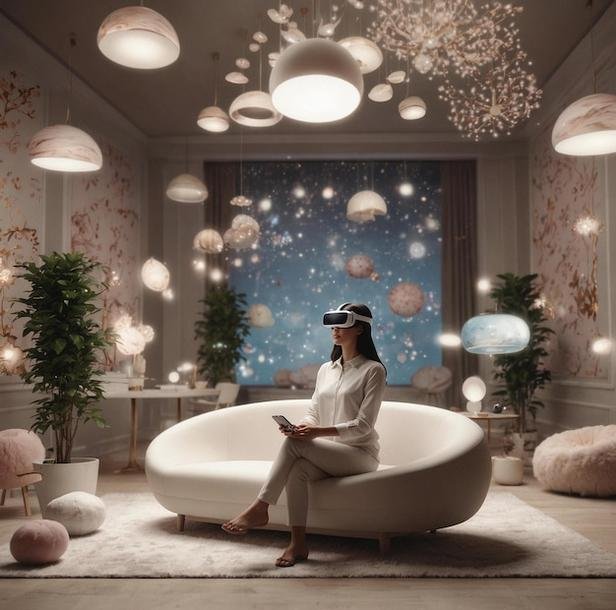
ความเป็นจริงที่เพิ่มขึ้น (อาร์) รูปแบบการเรนเดอร์สถาปัตยกรรม: โอเวอร์เลย์ดิจิทัลสู่ความเป็นจริง
คล้ายกับศักยภาพในการดื่มด่ำกับ VR, การเรนเดอร์ความเป็นจริงเสริมใช้แนวทางที่แตกต่างออกไปเล็กน้อยโดยการวางข้อมูลดิจิทัลหรือโมเดล 3 มิติไว้บนมุมมองของผู้ใช้ในโลกแห่งความเป็นจริง. สิ่งนี้ช่วยให้ผู้ใช้เห็นภาพว่าการออกแบบที่เสนออาจผสานรวมกับบริบททางกายภาพที่เกิดขึ้นจริงได้อย่างไร. AR กำลังได้รับความนิยมอย่างมากสำหรับการนำเสนอในสถานที่, ช่วยให้ผู้มีส่วนได้ส่วนเสียรู้สึกถึงขนาดที่จับต้องได้และวิธีการมีส่วนร่วมกับโครงการริเริ่มที่ไม่เหมือนใคร. การประยุกต์ใช้ AR ในสถาปัตยกรรมคาดว่าจะมีการเติบโตอย่างมาก, โดยมีการประมาณการบางอย่างบ่งชี้ว่า 64.5% เพิ่มขึ้นระหว่าง 2020 และ 2025, ตอกย้ำความสำคัญที่เพิ่มขึ้นใน ปรับปรุงการเชื่อมต่อของลูกค้าและความพึงพอใจของโครงการผ่านการแสดงภาพ AR.
เกมส์แบบเคลื่อนไหวและ Flythroughs: การเล่าเรื่องเชิงพื้นที่แบบไดนามิกใน รูปแบบการเรนเดอร์สถาปัตยกรรม
บทสรุปแบบเคลื่อนไหวผสมผสานเทคนิคการแสดงภาพที่หลากหลายเพื่อสร้างวิดีโอที่แนะนำผู้ดูแบบไดนามิกผ่านโปรเจ็กต์ที่เสนอ. แอนิเมชั่นเหล่านี้มีส่วนสำคัญในการแสดงให้เห็นว่าพื้นที่จะทำงานและให้ความรู้สึกอย่างไรเมื่อสร้างขึ้นแล้ว, นำเสนอมุมมองที่ลื่นไหลและน่าดึงดูดซึ่งภาพนิ่งเพียงอย่างเดียวไม่สามารถให้ได้. การรวมคำแนะนำแบบแอนิเมชั่นเข้ากับการนำเสนอทางสถาปัตยกรรมสะท้อนให้เห็นถึงการเปลี่ยนแปลงในวงกว้างของอุตสาหกรรมไปสู่การเล่าเรื่องด้วยภาพที่น่าหลงใหลและมีการเล่าเรื่องมากขึ้น, ตอกย้ำเพิ่มเติมว่า อิทธิพลทางอารมณ์ของภาพสถาปัตยกรรมแบบไดนามิก.
เสาหลักแห่งผลกระทบ: องค์ประกอบสำคัญที่สร้างความแตกต่าง รูปแบบการเรนเดอร์สถาปัตยกรรม
ไม่ว่าจะเจาะจงก็ตาม สไตล์การเรนเดอร์สถาปัตยกรรม เลือกแล้ว, องค์ประกอบพื้นฐานบางประการส่งผลต่อคุณภาพโดยรวมอย่างสม่ำเสมอ, ความสมจริง, และผลกระทบของภาพสุดท้าย. การเชี่ยวชาญเสาหลักเหล่านี้เป็นกุญแจสำคัญในการสร้างการนำเสนอทางสถาปัตยกรรมที่น่าสนใจ.
ศิลปะและวิทยาศาสตร์แห่งแสงสว่างใน รูปแบบการเรนเดอร์สถาปัตยกรรม
แสงสว่างคือ, ไม่ต้องสงสัยเลย, องค์ประกอบที่สำคัญที่สุดประการหนึ่ง—หากไม่เป็นเช่นนั้น ที่ ที่สำคัญที่สุด—ในการพรรณนาทางสถาปัตยกรรม. มันกำหนดอารมณ์เป็นพื้นฐาน, การรับรู้ของผู้ชมเกี่ยวกับพื้นที่และรูปแบบ, และความสมจริงโดยรวมของการแสดงภาพใดๆ. การจัดการแหล่งกำเนิดแสงทั้งจากธรรมชาติและประดิษฐ์อย่างมีประสิทธิภาพสามารถปรับปรุงพื้นผิวได้, สร้างความรู้สึกลึกซึ้งที่น่าเชื่อ, และเน้นย้ำคุณลักษณะทางสถาปัตยกรรมที่สำคัญอย่างมีกลยุทธ์. เมื่อคุณได้รับแสงสว่างที่ถูกต้อง, การเรนเดอร์ของคุณมีชีวิตชีวาอย่างแท้จริง!
เหตุใดการจัดแสงสว่างจึงเป็นองค์ประกอบที่สำคัญที่สุดสำหรับทุกคน สไตล์การเรนเดอร์สถาปัตยกรรม?
- การกำหนดอารมณ์และบรรยากาศ: แสงสว่าง (หรือขาดหายไป) เป็นตัวขับเคลื่อนหลักของอารมณ์ในภาพ. สว่าง, แสงที่โปร่งสบายให้ความรู้สึกที่แตกต่างจากความนุ่มนวล, ไฟส่องสว่างอารมณ์. ตัวเลือกการจัดแสงสร้างความรู้สึกโดยรวมของฉาก.
- มีอิทธิพลต่อจานสี: สีและความเข้มของแหล่งกำเนิดแสงส่งผลโดยตรงต่อการรับรู้สีของวัสดุและพื้นผิว. การแสดงแสงกลางวันจะมีสีเพี้ยนแตกต่างจากฉากพลบค่ำหรือฉากภายใน.
- เสริมสร้างพื้นผิวและรูปทรง: วิธีที่แสงโต้ตอบกับพื้นผิว—การสร้างไฮไลท์และเงา—คือสิ่งที่เผยให้เห็นพื้นผิวและกำหนดรูปแบบสามมิติ. ปราศจากแสงสว่างที่รอบคอบ, แม้แต่โมเดลที่มีรายละเอียดก็อาจดูแบนได้.
- การจำลองความเป็นจริง: การจำลองพฤติกรรมของแสงแดดธรรมชาติในช่วงเวลาต่างๆ ของวันอย่างแม่นยำ และลักษณะของโคมไฟประดิษฐ์ต่างๆ ถือเป็นสิ่งสำคัญสำหรับความสมจริงที่น่าเหลือเชื่อ.
การจัดแสงที่มีประสิทธิภาพเป็นรากฐานสำคัญของการเรนเดอร์สถาปัตยกรรมที่น่าสนใจ, มีบทบาทสำคัญในสไตล์โดยรวมและการสะท้อนอารมณ์ของภาพ. การจัดแสงที่ออกแบบมาอย่างดีสามารถเปลี่ยนการเรนเดอร์ที่ดีให้กลายเป็นภาพที่น่าทึ่งได้.
การเรียนรู้ รูปแบบการเรนเดอร์ในเวลากลางวันที่สดใสเพื่อความชัดเจนและความอบอุ่น
นี่อาจเป็นหนึ่งในแนวทางการจัดแสงที่ใช้กันอย่างแพร่หลายในการแสดงภาพสถาปัตยกรรม. วัตถุประสงค์หลักคือการจับภาพแก่นแท้ของแสงธรรมชาติ, ชวนให้นึกถึงความอบอุ่น, ความชัดเจน, และเชิญชวนผู้ชมเข้าสู่ฉากที่บรรยาย. การเรนเดอร์เหล่านี้มีจุดมุ่งหมายเพื่อจำลองสภาพแสงของวันในฤดูร้อนที่น่ารื่นรมย์หรือเช้าฤดูใบไม้ร่วงที่สดชื่น.
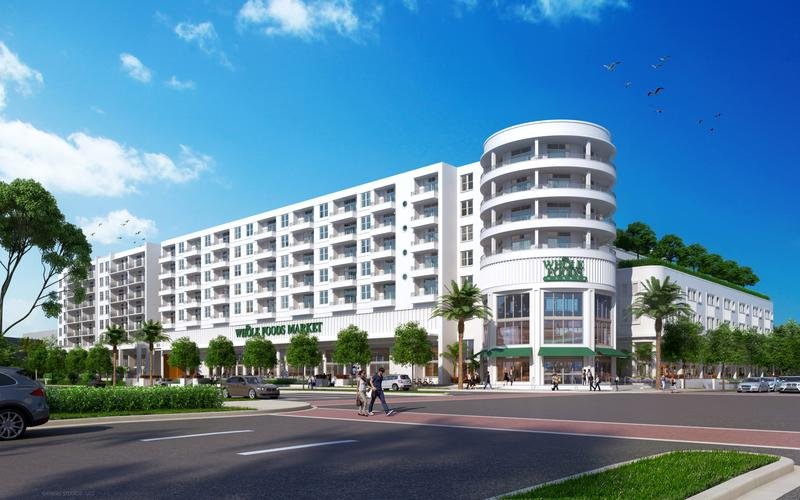
- ลักษณะเฉพาะ: เน้นความชัดเจน, แสงธรรมชาติที่เพียงพอ, เงาที่กำหนดไว้อย่างดี, และสีสันสดใส.
- ผลกระทบ: เน้นความชัดเจนของการออกแบบสถาปัตยกรรม, จัดแสดงรายละเอียด, สี, และพื้นผิวในแสงที่ดีและมักจะมองโลกในแง่ดี. แสงธรรมชาติอันอุดมสมบูรณ์เผยให้เห็นการเล่นของแสงและเงา, เพิ่มความลึกและมิติ.
- ใช้เคส: มีประสิทธิภาพโดยเฉพาะอย่างยิ่งสำหรับการแสดงภาพภายนอกอาคาร, เช่น อาคารพักอาศัย, พื้นที่เชิงพาณิชย์, หรือโครงสร้างสาธารณะ. นิยมใช้สำหรับสื่อการตลาด, โบรชัวร์, เว็บไซต์, และการนำเสนอลูกค้า.
- กลุ่มเป้าหมาย: สไตล์นี้มักจะสะท้อนได้ดีกับโครงการที่มีเป้าหมายเป็นครอบครัว, เช่นทาวน์เฮาส์, ชุมชนที่มีรั้วรอบขอบชิด, หรือการพัฒนาที่อยู่อาศัยบ้านเดี่ยว, ถ่ายทอดความรู้สึกอบอุ่นและเป็นกันเอง.
สร้างดราม่าด้วย รูปแบบการเรนเดอร์สถาปัตยกรรม Dusk หรือ Dawn
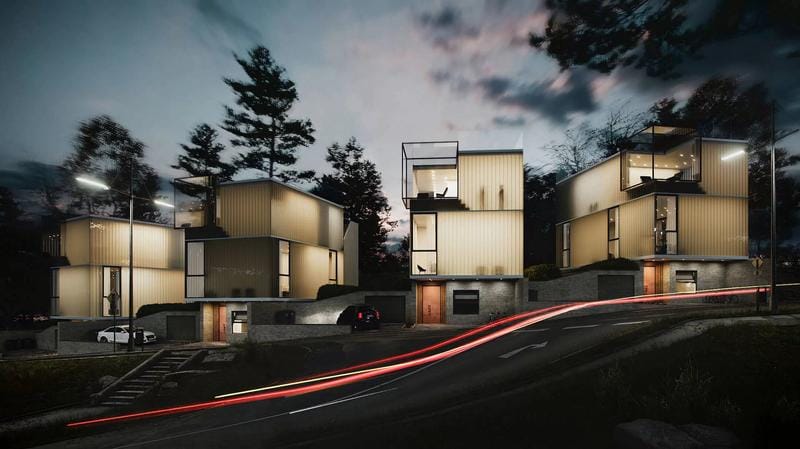
การเรนเดอร์ที่ตั้งค่าในเวลาพลบค่ำหรือรุ่งเช้าเป็นที่ต้องการอย่างมากเนื่องจากมีผลกระทบต่อภาพที่น่าทึ่งและมีคอนทราสต์สูง. สไตล์เฉพาะนี้ขึ้นชื่อในการสร้างบรรยากาศที่น่าหลงใหลโดยเน้นสีที่ตัดกันและการทำงานร่วมกันระหว่างพื้นที่สว่างและมืดภายในฉาก. โดยการจำลองสภาพแสงในช่วงเปลี่ยนผ่านของวัน, ภาพเหล่านี้ทำให้เกิดความรู้สึกน่าหลงใหลและการวางอุบาย.
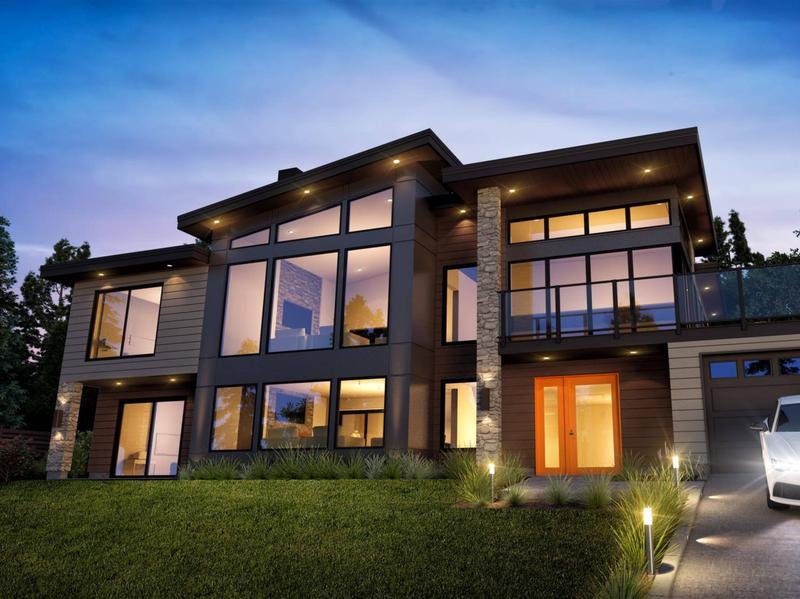
- จานสี: ลักษณะที่กำหนดคือการใช้จานสีที่แตกต่าง. อบอุ่น, โทนสีที่เชิญชวน เช่น สีเหลืองหรือสีส้ม มักใช้เพื่อทำให้ภายในอาคารสว่างขึ้น, สร้างบรรยากาศที่อบอุ่นและน่าอยู่อาศัย. ในทางตรงกันข้ามอย่างน่าทึ่ง, ภายนอกและท้องฟ้ามักอาบด้วยโทนสีฟ้าหรือสีม่วงโทนเย็น.
- ผลกระทบทางอารมณ์: แสงไฟภายในอันอบอุ่นเชิญชวนให้ผู้ชมจินตนาการถึงตัวเองภายในพื้นที่, ปลุกความรู้สึกสบายและเงียบสงบ. พร้อมกัน, โทนสีเย็นที่ทาภายนอกสามารถถ่ายทอดความรู้สึกลึกลับได้, ความกลัว, และความซับซ้อน.
- ใช้เคส: ใช้กันอย่างแพร่หลายสำหรับโครงการสถาปัตยกรรมที่หลากหลาย, รวมถึงอาคารพักอาศัยระดับหรู, โรงแรม, รีสอร์ท, และสถาบันวัฒนธรรม. รูปแบบการจัดแสงนี้มีประสิทธิภาพโดยเฉพาะอย่างยิ่งเมื่อมุ่งหวังที่จะกระตุ้นอารมณ์ความรู้สึกที่รุนแรงและสร้างประสบการณ์การรับชมภาพที่น่าจดจำ.
- กลุ่มเป้าหมาย: มักเหมาะสำหรับโครงการที่มีกลุ่มเป้าหมายเป็นคนหนุ่มสาว, ผู้เชี่ยวชาญที่ชาญฉลาด, หรือเกษียณอายุ. รับจ้างโชว์คอนโดมิเนียมบ่อยๆ, หอคอยในเมือง, โรงแรม, และคุณสมบัติการพักผ่อน.
จากประสบการณ์วิชาชีพของฉัน, ฉากตอนพลบค่ำและรุ่งเช้ามีความสามารถพิเศษในการดึงดูดผู้คนเข้ามา; ในช่วงเวลานั้นของวันมีความมหัศจรรย์ของภาพยนตร์ที่ไม่อาจปฏิเสธได้ ซึ่งแปลออกมาเป็นภาพสถาปัตยกรรมได้อย่างสวยงาม.
จับภาพเสน่ห์ของเมืองด้วย รูปแบบการเรนเดอร์สถาปัตยกรรมในเวลากลางคืน
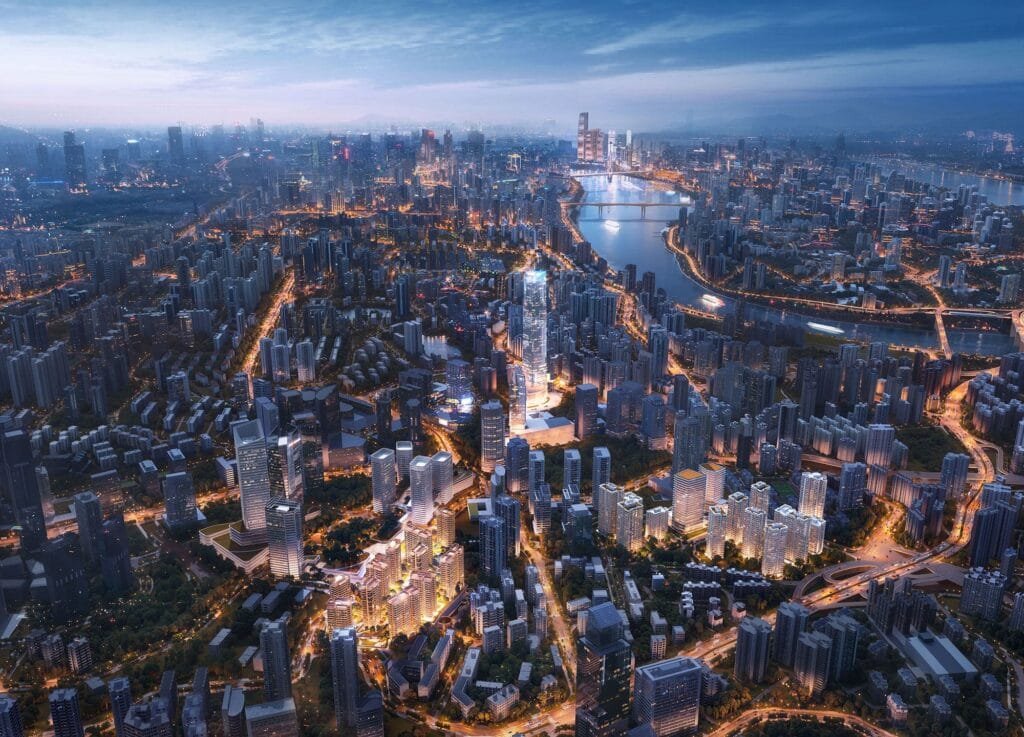
แม้ว่าอาจจะใช้กันน้อยกว่าฉากตอนกลางวันก็ตาม, การเรนเดอร์ในเวลากลางคืนสามารถมีประสิทธิภาพเป็นพิเศษ, โดยเฉพาะอย่างยิ่งเมื่อจัดแสดงโครงสร้างเมืองที่โดดเด่นเช่นหอคอย, ตึกระฟ้า, หรือโครงการแนวสูง. สไตล์การจัดแสงนี้มีจุดมุ่งหมายเพื่อดึงดูดเสน่ห์, ความมีชีวิตชีวา, และพลังของทิวทัศน์เมืองที่พลุกพล่านหลังความมืดมิด.
- เทคนิค: เทคนิคทั่วไปเกี่ยวข้องกับการทำให้อาคารหลักมีพื้นหลังโปร่งใส. ช่วยให้แสงภายในและภายนอกของโครงสร้างส่องสว่างส่องผ่านและมีปฏิสัมพันธ์กับภาพถ่ายของเมืองในเวลากลางคืนที่แยกจากกัน, การสร้างภาพคอมโพสิตที่สมจริงและสอดคล้องกัน.
- ผลกระทบ: องค์ประกอบที่ตัดกันของท้องฟ้าที่มืดมิดและอาคารที่มีแสงสว่างจ้าทำหน้าที่เน้นลักษณะทางสถาปัตยกรรมและดึงความสนใจที่สำคัญไปยังการพัฒนา. การเรนเดอร์ในเวลากลางคืนเป็นเลิศในการพรรณนาอาคารให้เป็นจุดโฟกัสภายในภูมิทัศน์เมือง, เน้นการปรากฏตัวและการมีส่วนร่วมกับเส้นขอบฟ้าของเมือง.
- ใช้เคส: ใช้เพื่อการตลาดไลฟ์สไตล์ของคนเมืองเป็นหลักและปลุกความรู้สึกถึงความซับซ้อนของเมือง. การเรนเดอร์เหล่านี้มีประสิทธิภาพโดยเฉพาะอย่างยิ่งในการจัดแสดงความมีชีวิตชีวาที่เกี่ยวข้องกับการใช้ชีวิตในเมืองหลังพระอาทิตย์ตก และสามารถเน้นสิ่งอำนวยความสะดวกและบริการที่มีภายในหรือใกล้การพัฒนา.
ความน่าดึงดูดอันเป็นเอกลักษณ์ของ สไตล์การเรนเดอร์หิมะ: ความแตกต่างและความผาสุก
ฉากหิมะ, แม้จะไม่ใช่สไตล์การจัดแสงก็ตาม, มีเอกลักษณ์และน่าดึงดูดใจในการเรนเดอร์สถาปัตยกรรม. ภาพเหล่านี้มักจะแสดงถึงความแตกต่างที่ชัดเจนแต่สวยงามระหว่างบรรยากาศสบายๆ, เชิญชวนภายในอาคารและความรุนแรง, สภาพแวดล้อมภายนอกฤดูหนาว. ฉากหิมะนำเสนอการเล่าเรื่องด้วยภาพที่เน้นการมีปฏิสัมพันธ์ระหว่างความอบอุ่นและความหนาวเย็น, สร้างความรู้สึกสบายและหลบภัยภายในบริบททางสถาปัตยกรรม.
- เน้นการเล่าเรื่อง: เน้นความรู้สึกถึงที่พักพิง, ความอบอุ่น, และความสวยงามของสถาปัตยกรรมในบรรยากาศฤดูหนาว.
- ความท้าทาย: การแสดงหิมะอย่างสมจริงทำให้เกิดความท้าทายในตัวเอง. เนื่องจากมีคุณสมบัติเฉพาะตัว, หิมะต้องใส่ใจในรายละเอียดอย่างระมัดระวังในแง่ของพื้นผิว, ปฏิสัมพันธ์ของแสง, และการแสดงเงาเพื่อให้ได้ผลลัพธ์ที่น่าเหลือเชื่อ. การรักษาสมดุลของแสงที่เหมาะสมและการหลีกเลี่ยงการเปิดรับแสงมากเกินไปในฉากที่มีสีขาวเป็นส่วนใหญ่อาจเป็นเรื่องยากเช่นกัน.
- เทคนิค: คล้ายกับฉากในเวลากลางคืน, การสร้างฉากหิมะที่มีประสิทธิภาพมักจะเกี่ยวข้องกับการเรนเดอร์อาคารแยกจากกัน จากนั้นจึงซ้อนอาคารนั้นลงบนภาพถ่ายทิวทัศน์ที่เต็มไปด้วยหิมะที่เลือกสรรมาอย่างดี. ช่วยให้สามารถควบคุมแสงและเงาได้ดียิ่งขึ้น.
- ใช้เคส: ค่อนข้างแปลกยกเว้นในบริบทเฉพาะ เช่น สกีรีสอร์ท, บ้านพักบนภูเขา, หรือการพัฒนาแนวฤดูหนาว. อย่างไรก็ตาม, พวกเขาให้โอกาสอันมีค่าในการจัดแสดงการออกแบบสถาปัตยกรรมในลักษณะที่โดดเด่นและดึงดูดสายตา.
มุมกล้องและองค์ประกอบ: วางกรอบเรื่องราวในตัวคุณ สไตล์การเรนเดอร์สถาปัตยกรรม
การเลือกมุมกล้องและองค์ประกอบในการเรนเดอร์ 3 มิติมีความสำคัญพอๆ กับการตัดสินใจของช่างภาพว่าจะยืนตรงไหนและจะจัดเฟรมภาพอย่างไร. มันกำหนดสิ่งที่ผู้ชมเห็น, พวกเขารับรู้พื้นที่อย่างไร, และการเล่าเรื่องโดยรวมของภาพ. ในขอบเขตของการเรนเดอร์ 3 มิติ, ศิลปินสามารถเข้าถึงมุมและฉากต่างๆ มากมาย, เหมือนกับที่นำเสนอโดยกล้องในโลกแห่งความเป็นจริง, แต่ด้วยข้อได้เปรียบเพิ่มเติมของตัวเลือกพิเศษเฉพาะสำหรับสื่อดิจิทัล, ทำให้เกิดมุมมองที่ไม่เหมือนใครอย่างแท้จริง.
มุมมองของกล้องมีอิทธิพลต่อการรับรู้ในการเรนเดอร์ 3 มิติอย่างไร?
มุมมองของกล้องมีอิทธิพลอย่างมากต่อการรับรู้การออกแบบสถาปัตยกรรม. มุมต่ำสามารถทำให้อาคารดูยิ่งใหญ่และสง่างามยิ่งขึ้น, ในขณะที่มุมสูงสามารถให้ภาพรวมที่ครอบคลุมของไซต์ได้. ทางยาวโฟกัสที่เลือกจะส่งผลต่อความลึกและความบิดเบี้ยว. การจัดองค์ประกอบอย่างระมัดระวังช่วยนำทางสายตาของผู้ชมไปยังคุณลักษณะหลักๆ และช่วยสร้างภาพที่สมดุลและสวยงามน่าพึงพอใจ. แตกต่าง รูปแบบการเรนเดอร์สถาปัตยกรรม อาจใช้แนวทางการจัดองค์ประกอบภาพโดยเฉพาะเพื่อเพิ่มผลตามที่ตั้งใจไว้.
| มุมกล้อง/ประเภทมุมมอง | คำอธิบาย & ประโยชน์ที่สำคัญ | การใช้งานทั่วไป & รูปแบบการเรนเดอร์สถาปัตยกรรม |
|---|---|---|
| ระดับถนนสามในสี่ | มักจะถือว่า “แชมป์” ของทิวทัศน์ภายนอก. โดยทั่วไปมุมนี้จะแสดงอาคารจากมุมมองระดับถนนที่สูงขึ้นเล็กน้อย, แสดงผลทั้งส่วนหน้าอาคารและส่วนยกระดับด้านใดด้านหนึ่งได้อย่างมีประสิทธิภาพ. มันสร้างความรู้สึกถึงความลึกและมิติที่แข็งแกร่ง, นำเสนอองค์ประกอบภาพที่น่าดึงดูดและสวยงามน่าดึงดูด. ใช้งานได้หลากหลายกับขนาดและสไตล์อาคารต่างๆ. | การเรนเดอร์ภายนอกส่วนใหญ่, ที่อยู่อาศัย (บ้านเดี่ยว, ทาวน์เฮาส์), อาคารพาณิชย์. ทำงานได้ดีกับ Photorealistic, กลางวันสดใส, และค่ำ/รุ่งเช้า รูปแบบการเรนเดอร์สถาปัตยกรรม. |
| ระดับถนนตรง | โดยตรง, มุมมองด้านหน้าที่นำเสนอการออกแบบสถาปัตยกรรมแบบตรงหน้า. มุมมองนี้มีประสิทธิภาพสูงในการเน้นความสมมาตร, ความยิ่งใหญ่, และรายละเอียดที่ซับซ้อนของส่วนหน้าอาคารหลักของอาคาร. | โครงสร้างอนุสาวรีย์, ตึกระฟ้า, ดีไซน์ร่วมสมัยพร้อมส่วนยกระดับด้านหน้าที่โดดเด่น, อาคารเทศบาล. มักใช้กับ Photorealistic หรือแม้แต่ Utopian รูปแบบการเรนเดอร์สถาปัตยกรรม เพื่อถ่ายทอดศักดิ์ศรี. |
| แผนไซต์ทางอากาศ / เบิร์ดอายวิว | นำเสนอการออกแบบสถาปัตยกรรมจากมุมสูง, ตำแหน่งสูง, ราวกับมองจากด้านบน. มุมมองที่เป็นเอกลักษณ์นี้นำเสนอความเข้าใจที่ครอบคลุมเกี่ยวกับรูปแบบของอาคาร, การจัดพื้นที่, และการบูรณาการบริบทที่สำคัญภายในสภาพแวดล้อม. | โครงการวางผังเมือง, การพัฒนาขนาดใหญ่, แผนแม่บทภูมิสถาปัตยกรรม, การออกแบบวิทยาเขต. จำเป็นสำหรับ การแสดงภาพบริบทของไซต์ในรูปแบบการเรนเดอร์สถาปัตยกรรม. |
| มุมกล้องภายในมาตรฐาน | รวมมุมมองต่างๆ จากภายในอาคาร. ภาพมุมกว้างใช้เพื่อแสดงเค้าโครงโดยรวม, ไหล, และการจัดพื้นที่ของห้อง. ภาพระยะใกล้เน้นรายละเอียดการออกแบบที่เฉพาะเจาะจง, วัสดุ, เสร็จสิ้น, และงานฝีมือ. | พื้นที่ภายในทุกประเภท – ภายในที่อยู่อาศัย, พื้นที่สำนักงาน, สถานที่ต้อนรับ, สภาพแวดล้อมการค้าปลีก. สำคัญสำหรับ จัดแสดงการออกแบบตกแต่งภายในด้วยรูปแบบการเรนเดอร์สถาปัตยกรรมที่แตกต่างกัน ชอบ “ธีโอดอร์” หรือการออกแบบส่องสว่าง. |
| “เป็นไปไม่ได้” มุมมอง | ใช้ประโยชน์จากความสามารถเฉพาะตัวของการเรนเดอร์ 3D เพื่อให้ได้มุมมองที่อาจเป็นไปไม่ได้ในทางปฏิบัติ, มีราคาแพงมาก, หรือไม่สามารถจับภาพด้วยกล้องจริงได้. ตัวอย่าง ได้แก่ การรื้อผนังออกเพื่อแสดงความยาวทั้งหมดของอพาร์ทเมนต์ที่กว้างขวาง หรือมองลงไปโดยตรงผ่านหลายชั้น. | จัดแสดงพื้นที่ภายในขนาดใหญ่หรือซับซ้อนด้วยวิธีที่มีเอกลักษณ์และให้ข้อมูล, การนำเสนอแนวความคิด, การตัดทางเทคนิค. มักจะช่วยเพิ่มความเข้าใจเกี่ยวกับขนาดและการไหล. |
การเลือกมุมกล้องอย่างรอบคอบและหลักการจัดองค์ประกอบภาพที่แข็งแกร่งเป็นพื้นฐานในการสร้างผลกระทบ รูปแบบการเรนเดอร์สถาปัตยกรรม ที่สื่อสารจุดประสงค์การออกแบบได้อย่างมีประสิทธิภาพและดึงดูดผู้ชม.
ชุดเครื่องมือดิจิทัล: ซอฟต์แวร์และเทคโนโลยีที่อยู่เบื้องหลังความน่าทึ่ง รูปแบบการเรนเดอร์สถาปัตยกรรม
สร้างสรรค์ความหลากหลายที่สวยงามและให้ข้อมูล รูปแบบการเรนเดอร์สถาปัตยกรรม เราได้พูดคุยกันแล้วต้องใช้ชุดเครื่องมือดิจิทัลที่ซับซ้อน. ศิลปินและนักออกแบบพึ่งพาซอฟต์แวร์คอมพิวเตอร์ที่มีประสิทธิภาพในทุกขั้นตอนของกระบวนการ, ตั้งแต่การสร้างแบบจำลอง 3 มิติเบื้องต้นไปจนถึงการปรับแต่งภาพขั้นสุดท้าย.
| หมวดหมู่ซอฟต์แวร์ | ตัวอย่างทั่วไป | บทบาทหลักในการสร้าง รูปแบบการเรนเดอร์สถาปัตยกรรม |
|---|---|---|
| ซอฟต์แวร์สร้างแบบจำลอง 3 มิติหลัก | ออโตเดสก์ 3ดีเอส แม็กซ์, โรงภาพยนตร์ 4D, SketchUp, แรด, การทบทวน, ArchiCAD | ใช้เพื่อสร้างเรขาคณิต 3 มิติขั้นพื้นฐานและแบบจำลองของอาคาร, ทิวทัศน์, และพื้นที่ภายใน. สร้างรากฐานดิจิทัลสำหรับงานเรนเดอร์ในภายหลังทั้งหมด. ซอฟต์แวร์ที่แตกต่างกันมีจุดแข็งสำหรับการสร้างแบบจำลองประเภทต่างๆ (เช่น, อินทรีย์เทียบกับ. พารามิเตอร์). |
| เอ็นจิ้นการเรนเดอร์เฉพาะ & ซอฟต์แวร์ | วี-เรย์, โคโรนาเรนเดอร์, ความรัก, เอนสเคป, ทวินโมชั่น, เธีย เรนเดอร์, ออคเทนเรนเดอร์, อาร์โนลด์ | โปรแกรมอันทรงพลังเหล่านี้นำโมเดล 3 มิติมาแปลงเป็นรูปภาพหรือแอนิเมชั่น 2 มิติโดยการคำนวณว่าแสงมีปฏิกิริยากับพื้นผิวอย่างไร, การใช้วัสดุและพื้นผิว, และจำลองผลกระทบบรรยากาศ. เอ็นจิ้นที่แตกต่างกันมีขั้นตอนการทำงานที่หลากหลายและขึ้นชื่อในด้านความเป็นเลิศเฉพาะด้าน ประเภทของรูปแบบการเรนเดอร์สถาปัตยกรรม (เช่น, ความสมจริงด้วยแสงเทียบกับ. เรียลไทม์). |
| ซอฟต์แวร์แก้ไขภาพและหลังการผลิต | อะโดบี โฟโต้ช็อป, ภาพถ่ายความสัมพันธ์, คนพิการ | จำเป็นสำหรับการปรับแต่งภาพอย่างละเอียดหลังกระบวนการเรนเดอร์หลัก. ใช้สำหรับการแก้ไขสี, การปรับความคมชัด, เพิ่มเอฟเฟกต์บรรยากาศ, การประกอบองค์ประกอบที่แตกต่างกัน, และโดยทั่วไปจะเพิ่มความน่าดึงดูดทางสายตาขั้นสุดท้าย. |
| ซอฟต์แวร์ภาพประกอบและการร่างภาพ | อะโดบี อิลลัสเตรเตอร์, กำเนิด, มอร์โฟลิโอ เทรซ, สมุดสเก็ตช์ภาพ Autodesk | ใช้สำหรับสร้างกราฟิกแบบเวกเตอร์ (มีประโยชน์สำหรับไดอะแกรมและสไตล์ภาพประกอบที่สะอาดตา), ภาพร่างดิจิทัล, และมีความเป็นศิลปะหรือไม่สมจริงมากขึ้น รูปแบบการเรนเดอร์สถาปัตยกรรม. |
เป็นเรื่องปกติมากในการปฏิบัติงานวิชาชีพสำหรับสถาปนิกและศิลปินด้านวิชวลไลเซชันที่จะใช้เครื่องมือเหล่านี้ผสมผสานกัน, สร้างขั้นตอนการทำงานที่ยืดหยุ่น. ตัวอย่างเช่น, อาคารอาจได้รับการออกแบบด้วยซอฟต์แวร์ BIM เช่น Revit หรือ ArchiCAD, จากนั้นส่งออกไปยังโปรแกรมสร้างแบบจำลองเฉพาะเช่น 3ds MAX เพื่อการปรับแต่งและการตั้งค่าฉากที่ละเอียดยิ่งขึ้น, ต่อมาเรนเดอร์โดยใช้เอ็นจิ้นเช่น V-Ray หรือ Corona, และในที่สุด, รูปภาพที่ได้จะถูกขัดเกลาและปรับปรุงใน Photoshop. ไปป์ไลน์นี้ช่วยให้สามารถใช้ประโยชน์จากคุณสมบัติที่ดีที่สุดของชุดซอฟต์แวร์แต่ละชุดเพื่อให้บรรลุตามที่ต้องการ สไตล์การเรนเดอร์สถาปัตยกรรม.
การเพิ่มประสิทธิภาพ: การใช้ประโยชน์ 3D Asset Libraries สำหรับการแสดงภาพสถาปัตยกรรม
ลองจินตนาการถึงภารกิจอันยิ่งใหญ่ที่ต้องสร้างต้นไม้ทุกต้นอย่างพิถีพิถัน, ใบหญ้า, รถที่จอดอยู่, หรือชิ้นส่วนเฟอร์นิเจอร์ตั้งแต่เริ่มต้นสำหรับโครงการสถาปัตยกรรมใหม่แต่ละโครงการ! การดำเนินการนี้จะใช้เวลานานและไม่มีประสิทธิภาพอย่างไม่น่าเชื่อ. นี่คือจุดที่ไลบรารีแอสเซท 3 มิติมีบทบาทสำคัญ. เหล่านี้เป็นคอลเลกชันที่สร้างไว้ล่วงหน้ามากมาย, โมเดล 3 มิติคุณภาพสูงของวัตถุและองค์ประกอบทั่วไป.
- ความสำคัญในขั้นตอนการทำงาน: ไลบรารีแอสเซทช่วยเพิ่มประสิทธิภาพและประสิทธิผลในการสร้างฉากที่มีรายละเอียดอย่างมาก. ศิลปินสามารถเติมสภาพแวดล้อมของตนด้วยเนื้อหาที่สร้างไว้ล่วงหน้าเหล่านี้ได้อย่างง่ายดาย.
- ประโยชน์ที่เหนือกว่าความเร็ว: การใช้สินทรัพย์คุณภาพสูงไม่เพียงแต่ช่วยประหยัดเวลาได้มาก แต่ยังช่วยรักษาความสม่ำเสมอและคุณภาพของภาพในระดับสูงในโครงการต่างๆ และแม้แต่ภายในฉากที่ซับซ้อนเพียงฉากเดียว. ช่วยให้ศิลปินมุ่งเน้นไปที่ลักษณะเฉพาะของการออกแบบสถาปัตยกรรมได้มากขึ้น.
ผู้จำหน่ายเชิงพาณิชย์จำนวนมากเสนอไลบรารีสินทรัพย์ 3 มิติที่กว้างขวางสำหรับการซื้อหรือสมัครสมาชิก (เช่น, เอเวอร์โมชั่น, เคออสคอสมอส, ควิกเซล เมก้าสแกน). นอกจากนี้, สตูดิโอแสดงภาพสถาปัตยกรรมและศิลปินแต่ละคนสร้างห้องสมุดที่เป็นกรรมสิทธิ์ของตนเองสำหรับสินทรัพย์ที่ใช้บ่อยเมื่อเวลาผ่านไป, เพิ่มความคล่องตัวในการผลิตต่างๆ รูปแบบการเรนเดอร์สถาปัตยกรรม.
บทสรุป: การเรียนรู้ รูปแบบการเรนเดอร์สถาปัตยกรรม เพื่อนำวิสัยทัศน์มาสู่ชีวิต
เราได้เดินทางผ่านภูมิประเทศที่กว้างใหญ่และน่าตื่นเต้นของ รูปแบบการเรนเดอร์สถาปัตยกรรม! เป็นที่ชัดเจนว่าตั้งแต่การร่างภาพแนวความคิดที่เรียบง่ายที่สุดไปจนถึงประสบการณ์ความเป็นจริงเสมือนที่ดื่มด่ำที่สุด, การเรนเดอร์สถาปัตยกรรมถือเป็นวินัยที่หลากหลายและขาดไม่ได้. เป็นมากกว่าการสร้างสรรค์ภาพสวยๆ; เป็นเรื่องเกี่ยวกับการกระทำอันทรงพลังในการหายใจเอาความคิดที่ยังไม่ได้สร้างขึ้นมาสู่ชีวิต, ทำให้เป็นรูปธรรม, เข้าใจได้, และสร้างแรงบันดาลใจ.
สรุป: พลังแห่งการเปลี่ยนแปลงและความอเนกประสงค์ของ รูปแบบการเรนเดอร์สถาปัตยกรรม
เราได้เห็นวิธีการเรนเดอร์สถาปัตยกรรมแล้ว, ในรูปแบบโวหารที่หลากหลาย, มีบทบาทสำคัญในกระบวนการออกแบบและก่อสร้างทั้งหมด. ทำหน้าที่เป็นสะพานเชื่อมสำคัญที่เชื่อมโยงแนวคิดเชิงนามธรรมกับความเป็นจริงที่รับรู้ได้. เป้าหมายคือการอธิบายแนวคิดเชิงพื้นที่ที่ซับซ้อนอย่างชัดเจนหรือไม่, เพื่อสร้างความตื่นเต้นให้กับนักลงทุนที่มีศักยภาพ, หรือเพื่อรักษาการซื้อของผู้มีส่วนได้ส่วนเสียที่สำคัญ, มี สไตล์การเรนเดอร์สถาปัตยกรรม เหมาะสมกับงานอย่างยิ่ง. การเลือกอย่างรอบคอบและการดำเนินการตามสไตล์นั้นอย่างเชี่ยวชาญเป็นกุญแจสำคัญเพื่อให้แน่ใจว่าข้อความที่ตั้งใจจะสะท้อนได้อย่างมีประสิทธิภาพและบรรลุวัตถุประสงค์.
ส่วนผสมสำคัญ: การผสมผสานความกล้าหาญทางเทคนิคเข้ากับความรู้สึกทางศิลปะในการเรนเดอร์
การสร้างการเรนเดอร์สถาปัตยกรรมที่ยอดเยี่ยมอย่างแท้จริงไม่ได้ขึ้นอยู่กับการเรียนรู้ซอฟต์แวร์ที่ซับซ้อนหรือการทำความเข้าใจความก้าวหน้าทางเทคโนโลยีล่าสุดเท่านั้น. ต้องการการผสมผสานที่ลงตัวระหว่างความสามารถทางเทคนิคและความรู้สึกทางศิลปะที่กระตือรือร้น. ภาพที่มีผลกระทบมากที่สุดเกิดจากความสามารถในการสร้างสมดุลระหว่างความแม่นยำอันพิถีพิถันกับการแสดงออกทางความคิดสร้างสรรค์, ความรู้ทางเทคนิคพร้อมความรู้สึกที่เป็นธรรมชาติในการจัดองค์ประกอบภาพ, แสงสว่าง, และอารมณ์. วิวัฒนาการอย่างต่อเนื่องของเครื่องมือดิจิทัลและเทคนิคการเรนเดอร์ทำให้เกิดช่องทางใหม่สำหรับการทำงานร่วมกันนี้.
ความคิดสุดท้าย: ยกระดับการสื่อสารทางสถาปัตยกรรมและผลกระทบผ่านภาพที่น่าสนใจ
ในที่สุด, การเรียนรู้โลกที่หลากหลายของ รูปแบบการเรนเดอร์สถาปัตยกรรม ช่วยให้สถาปนิก, นักออกแบบ, และนักพัฒนาเพื่อสื่อสารวิสัยทัศน์ของตนด้วยความชัดเจนและผลกระทบอย่างที่ไม่เคยมีมาก่อน. ช่วยให้พวกเขาสามารถสร้างแรงบันดาลใจให้กับผู้มีส่วนได้ส่วนเสีย, ดึงดูดลูกค้า, และประสบความสำเร็จมากขึ้นในโครงการของพวกเขา. เมื่อโลกของเรามองเห็นได้มากขึ้น, ความสามารถในการสร้างสรรค์เรื่องราวทางสถาปัตยกรรมที่น่าสนใจผ่านการเรนเดอร์ที่ซับซ้อนนั้นมีคุณค่ามากกว่าที่เคย. การเปิดรับนวัตกรรมในสาขานี้ช่วยให้แน่ใจว่าวิสัยทัศน์ทางสถาปัตยกรรมที่ไม่ธรรมดาจะไม่ปรากฏให้เห็นเพียงชั่วครู่เท่านั้น, แต่เข้าใจอย่างแท้จริง, รู้สึกอย่างลึกซึ้ง, และบังเกิดผลอย่างเต็มใจ.
คุณพร้อมที่จะเปลี่ยนแนวคิดทางสถาปัตยกรรมของคุณให้กลายเป็นสิ่งที่น่าทึ่งแล้วหรือยัง, ภาพโน้มน้าวใจ? หรือบางทีคุณอาจต้องการคำแนะนำจากผู้เชี่ยวชาญในการเลือกผลิตภัณฑ์ที่สมบูรณ์แบบ สไตล์การเรนเดอร์สถาปัตยกรรม สำหรับโครงการที่กำลังจะมาถึงของคุณ?
อย่าลังเลที่จะ ติดต่อเราวันนี้ เพื่อรับคำปรึกษาฟรีหรือสำรวจผลงานการแสดงภาพสถาปัตยกรรมอันหลากหลายของเรา. มาร่วมมือกันสร้างสรรค์สิ่งที่น่าอัศจรรย์อย่างแท้จริงและนำวิสัยทัศน์ของคุณมาสู่ชีวิตที่มีชีวิตชีวา!